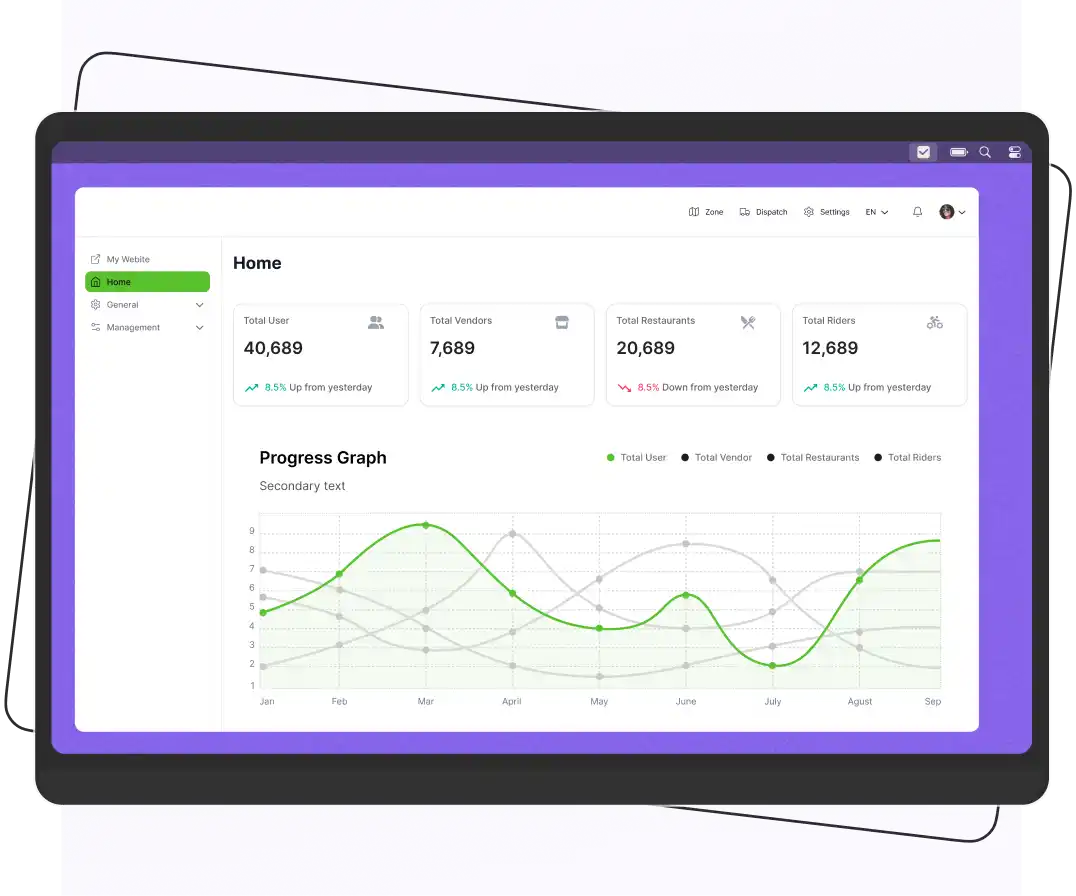
Get Backend API for Foodhub Clone
Explore the foodhub clone frontend without restrictions. The backend API is licensed separately—get in touch with our team to enable it. Resources and demos are accessible.



Frequently Asked Questions
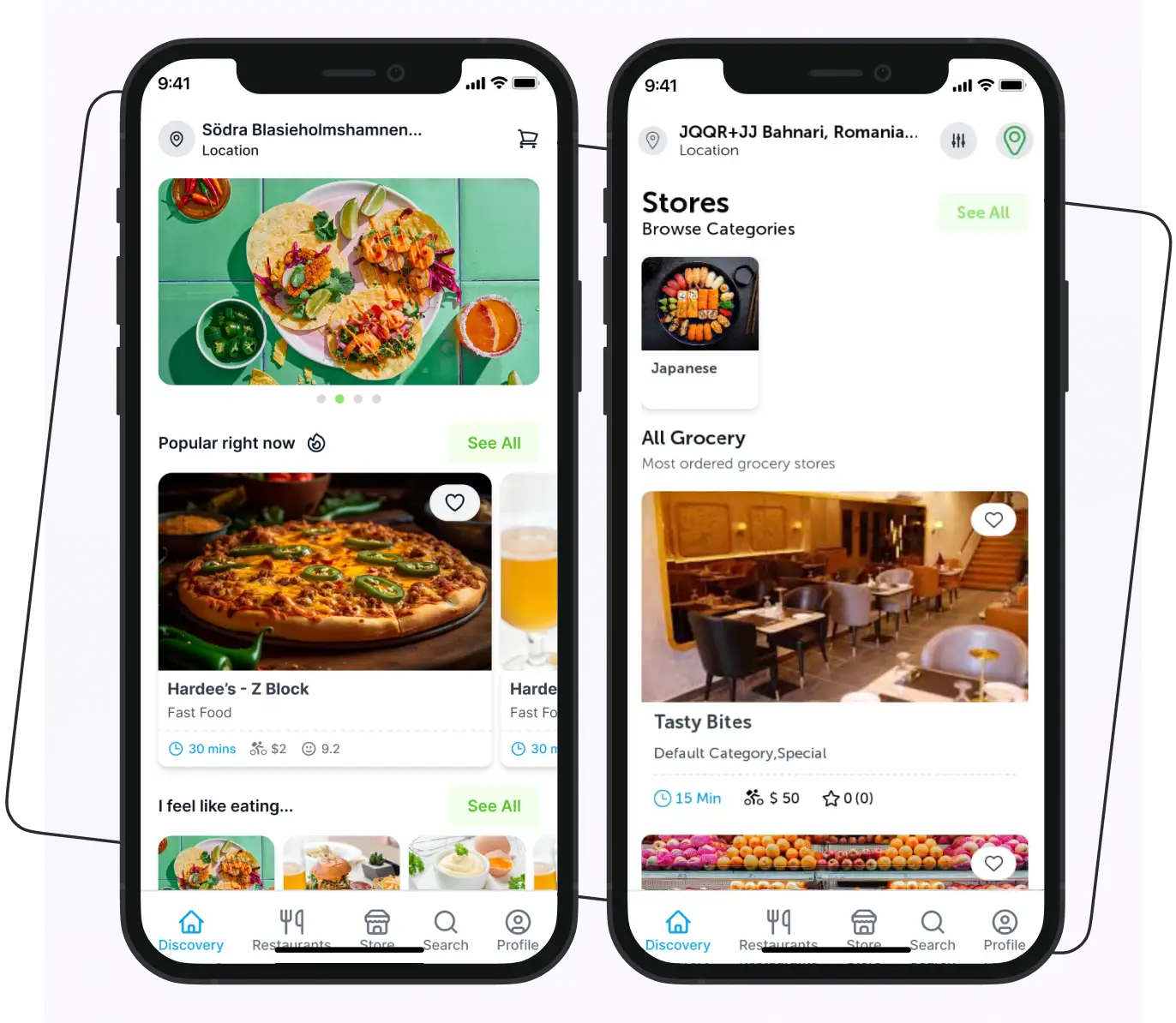
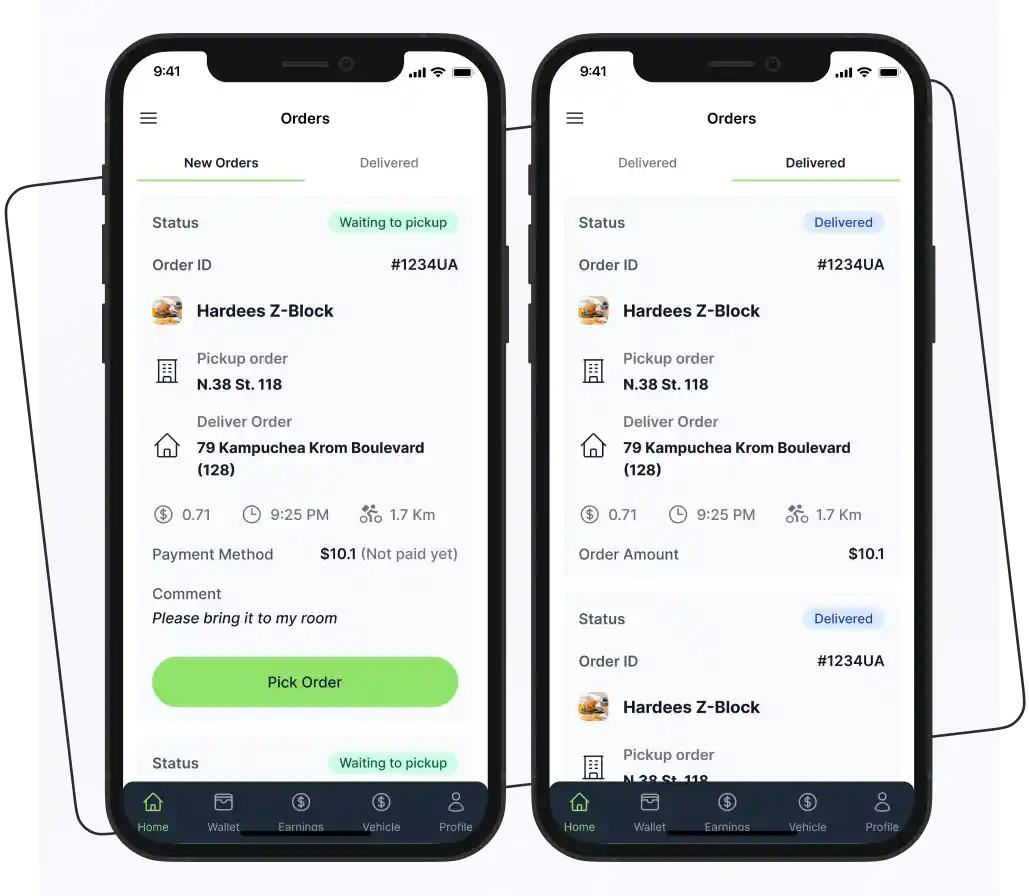
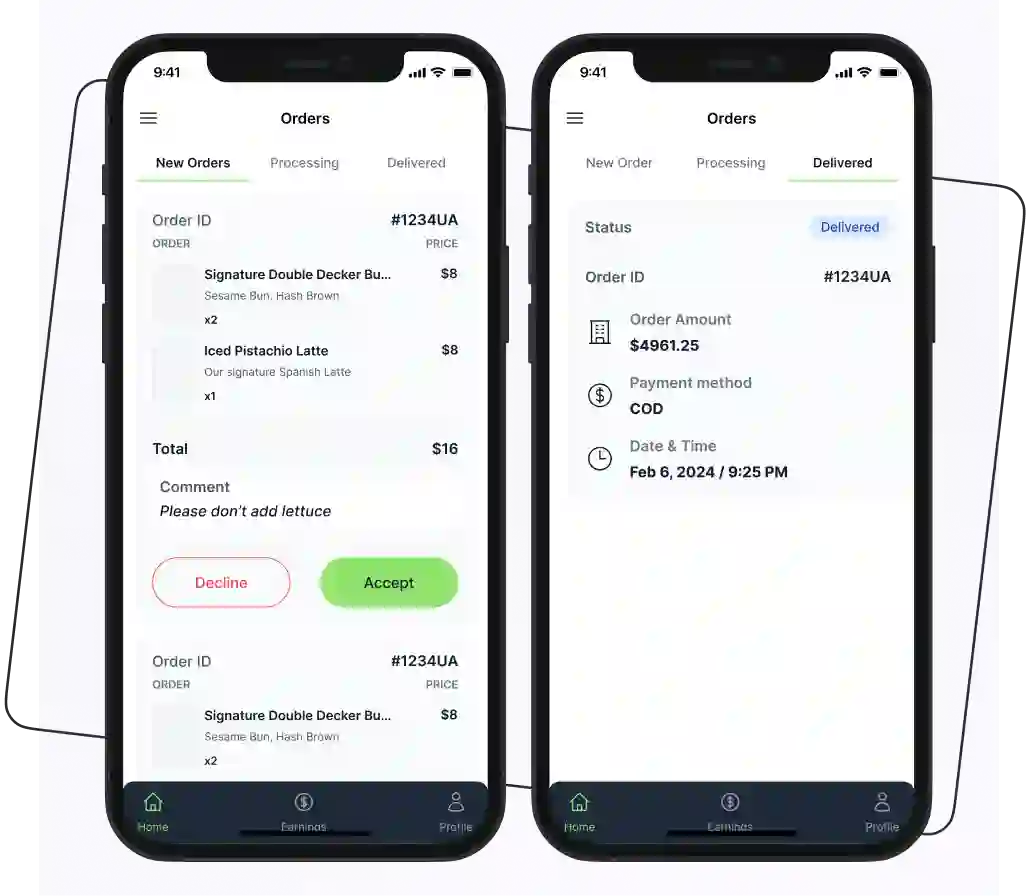
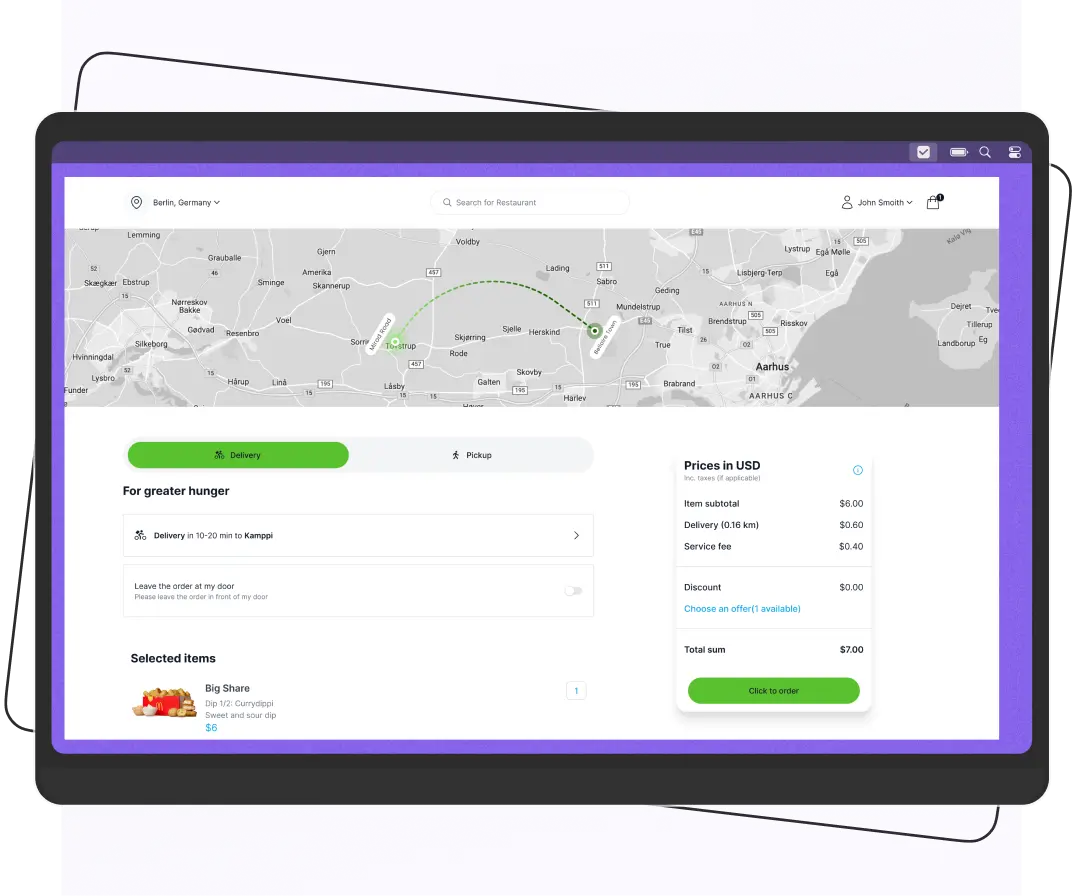
A Foodhub clone system operates as an online food ordering platform, involving several key components and processes. Here’s how it works: 1. User Registration and Profiles Sign Up/Login: Users create accounts to access features like saving favorites and order history. Profile Management: Users can manage their personal information, including delivery addresses. 2. Restaurant Listings Menu Browsing: Users can view a list of restaurants, complete with detailed menus, images, and prices. Search and Filter Options: Users can search for specific cuisines or dishes and filter results based on preferences, such as dietary restrictions. 3. Order Placement Select Items: Users choose dishes from the menu, often with customization options (e.g., toppings, portion sizes). Add to Cart: Selected items are added to a shopping cart where users can review their choices. 4. Payment Processing Secure Payment Options: Users choose from various payment methods (credit/debit cards, digital wallets, cash on delivery). Order Confirmation: After payment, users receive confirmation of their order and estimated delivery time. 5. Order Management Real-Time Order Tracking: Users can track the status of their orders, from preparation to delivery, often with GPS tracking of the delivery driver. Notifications: Users receive updates on their order status through push notifications or SMS. 6. Delivery Logistics Driver Assignment: The system automatically assigns delivery drivers based on proximity and availability. Delivery Management: Drivers receive order details and navigation instructions to ensure timely delivery. 7. User Reviews and Ratings Feedback System: After receiving their orders, users can rate their experience and leave reviews for restaurants, helping others make informed choices. 8. Admin Dashboard Management Tools: Admins can manage restaurant listings, user accounts, and monitor order statistics. Analytics: Admins can access data on user behavior, popular dishes, and overall platform performance. 9. Promotions and Discounts Marketing Features: The system may allow restaurants to offer promotions or discounts, which can be managed through the admin panel. 10. Customer Support Help Center: Users can access support for issues related to orders, payments, or technical difficulties.
Startups often choose a Foodhub clone to launch their food delivery business for several compelling reasons: Cost-Effective Solution: Cloning an existing successful model reduces development costs significantly compared to building a platform from scratch. Faster Time to Market: A clone provides a ready-made framework that allows startups to launch their app quickly, capturing market opportunities without extensive development delays. Proven Business Model: By replicating a successful platform like Foodhub, startups leverage an established business model that has already demonstrated market viability. Reduced Risk: Using a clone minimizes the risks associated with new product development, as the core features and functionalities are already tested and refined. Customizability: While based on an existing model, a clone can be customized to fit specific market needs or branding, allowing startups to differentiate themselves. Access to Key Features: Clones often come with essential features like user registration, payment processing, order tracking, and restaurant management, which are critical for a food delivery service. Scalability: Many clone solutions are built with scalability in mind, making it easier for startups to grow and adapt as their user base expands. Community and Support: Clones often come with community support, documentation, and resources that help startups troubleshoot issues and enhance their platform. Focus on Marketing and Growth: With the technical challenges handled, startups can focus more on marketing strategies and customer acquisition, crucial for early-stage growth. Flexibility to Innovate: Startups can add unique features or services on top of the clone, allowing them to innovate and provide additional value to their customers.
A Foodhub clone is considered a cost-effective alternative to custom app development for several reasons: Reduced Development Time: A clone comes with pre-built features and functionalities, allowing startups to launch their app much faster than developing one from scratch. Lower Initial Investment: The costs associated with designing and developing a custom app can be substantial. A clone requires less investment in terms of both time and money because much of the foundational work is already done. Proven Features: Clones typically include already tested and successful features, reducing the need for extensive user testing and iterations that custom apps often require. No Need for Extensive Research: Developing a custom app involves significant market research to identify user needs and preferences. A clone uses existing models, eliminating the need for this phase.
A Foodhub clone offers numerous benefits for both restaurant owners and customers: Benefits for Restaurant Owners Increased Visibility: The platform provides restaurants with greater exposure to potential customers, helping them reach a wider audience. Order Management: It streamlines order processing, allowing restaurant owners to efficiently manage incoming orders, reducing the chances of errors. Data Insights: Owners can access valuable analytics regarding customer preferences, sales trends, and peak ordering times, enabling informed decision-making. Cost-Effective Marketing: Restaurants can utilize the platform for promotions and discounts, attracting more customers without high marketing costs. Customer Engagement: The app allows for direct interaction with customers through feedback and reviews, helping improve service and food quality. Delivery Management: Many clones include built-in logistics features, simplifying the management of deliveries and reducing reliance on third-party services. Flexible Payment Options: Restaurant owners benefit from varied payment methods, increasing the likelihood of completed transactions. Benefits for Customers Convenience: Customers can easily browse menus, place orders, and make payments from the comfort of their homes, saving time and effort. Variety of Choices: The platform aggregates multiple restaurants, providing customers with a wide range of dining options and cuisines. Real-Time Tracking: Customers can track their orders in real-time, enhancing transparency and reducing anxiety about delivery times. User Reviews and Ratings: Access to reviews helps customers make informed decisions about where to order from, ensuring a better dining experience. Promotions and Discounts: Customers often benefit from special offers and discounts, encouraging them to try new restaurants. Easy Reordering: Many clones allow users to save favorite orders, making it simple for customers to reorder their preferred meals. User-Friendly Interface: A well-designed app enhances the user experience, making it easy for customers to navigate and find what they want.
Yes, a Foodhub clone is typically customizable to match a restaurant’s brand and design.
The cost of purchasing a Foodhub clone script can vary widely based on several factors, including: Features and Functionality: Basic scripts may start around $500 to $2,000, while more feature-rich options can range from $2,000 to $10,000 or more, depending on the complexity and customization options. Customization: If you require significant customization to match your brand or specific business needs, additional development costs may apply, potentially adding $1,000 to $5,000 or more to the total cost. License Type: Some scripts are sold under different licensing models (e.g., one-time fee vs. subscription), which can influence overall pricing. Support and Maintenance: Ongoing support and maintenance packages may incur additional costs, ranging from $100 to $500 per month, depending on the provider. Hosting and Domain: Don't forget to factor in costs for web hosting and domain registration, which can range from $50 to $300 annually. Payment Gateway Integration: If you need specific payment gateways, setup fees may be involved, often varying by provider.




 IOS
 Android
 Web