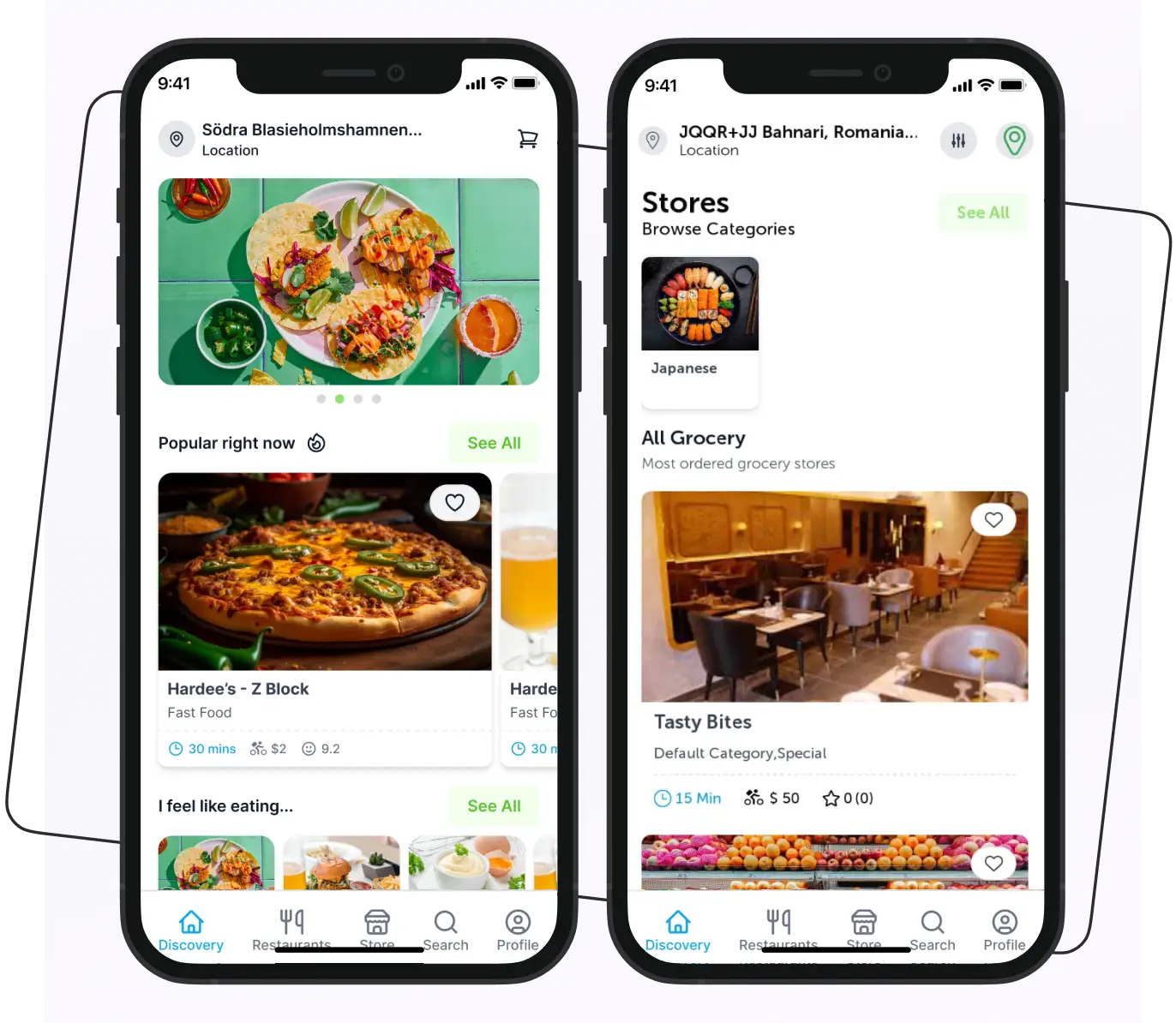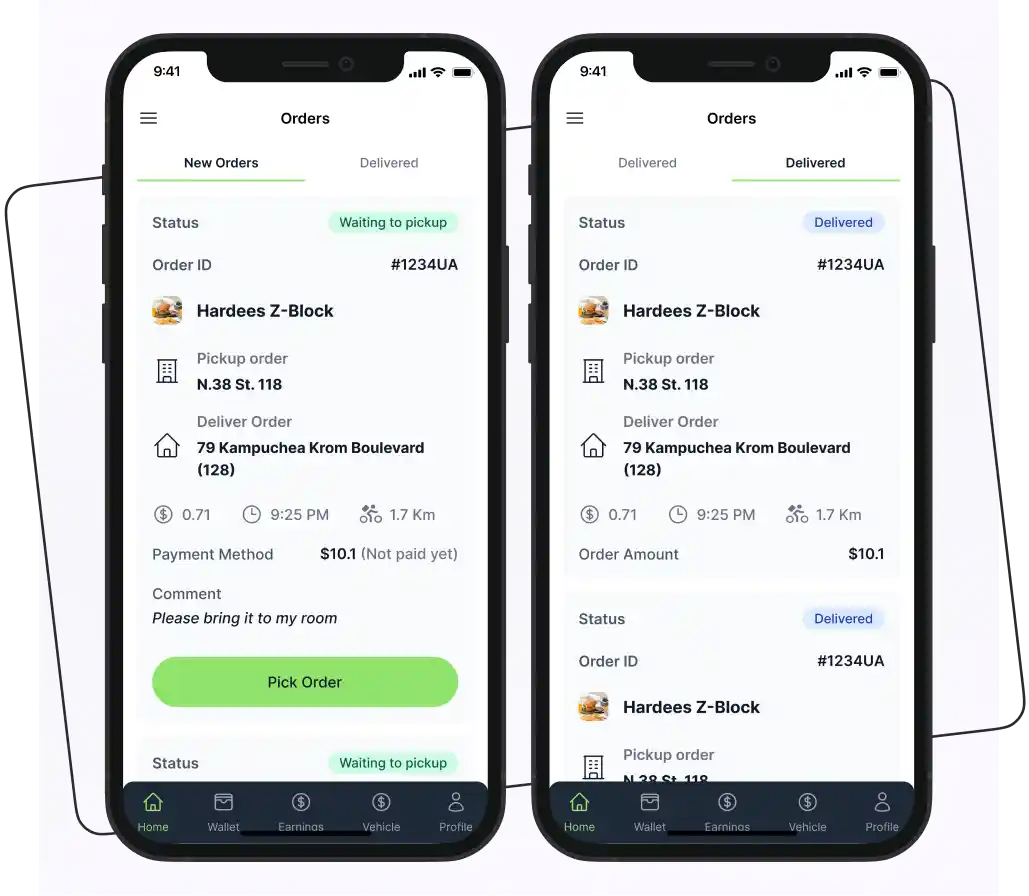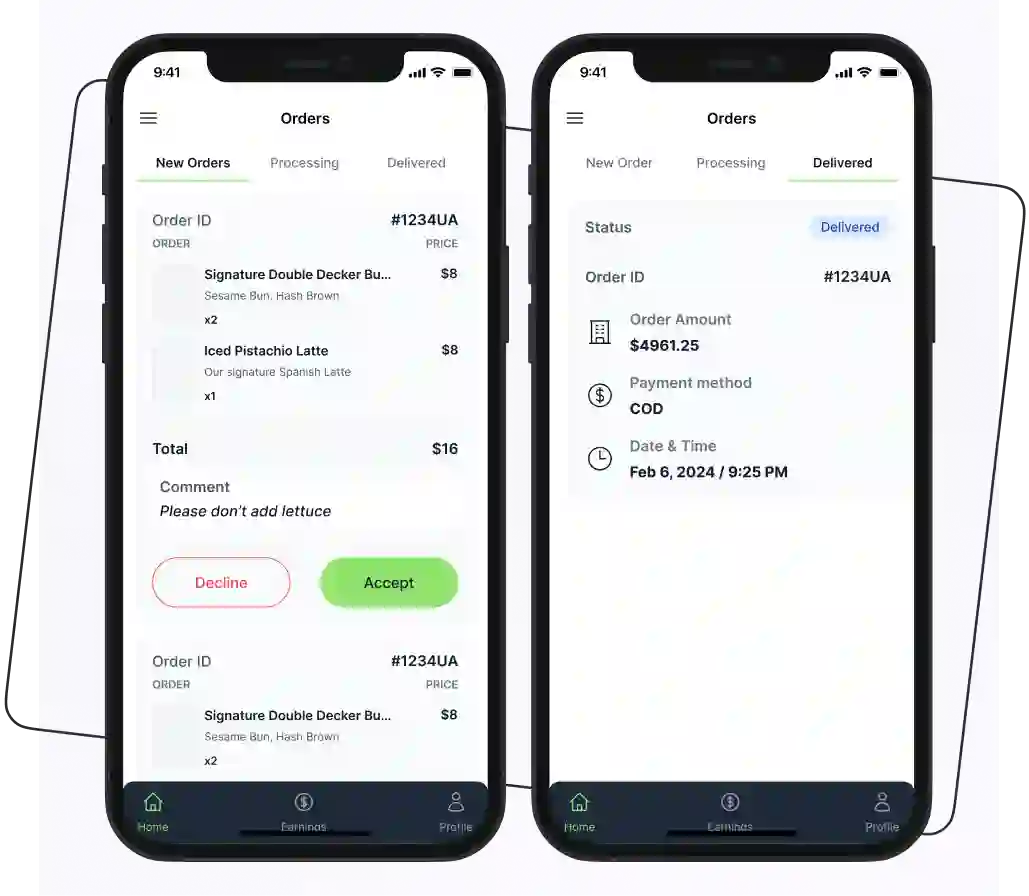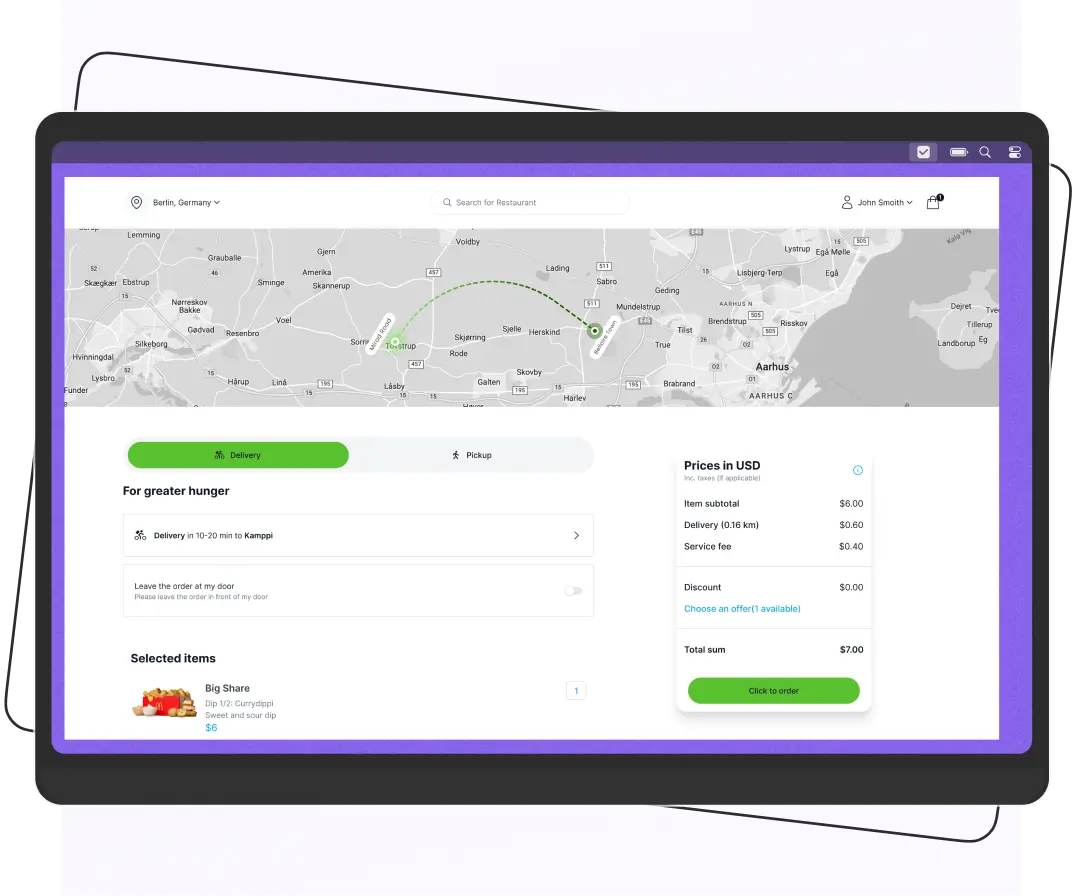


Before choosing a white-label delivery app, ask whether it offers full source code ownership, customization, scalability, support for your business model, secure payment integration, real-time tracking, transparent pricing, reliable technical support, and room for future growth. Evaluating these nine factors helps you choose a platform that fits your business needs and supports long-term success.
Choosing a white label delivery app is easy. Choosing the right one is where most businesses go wrong.
Many platforms promise fast deployment and great features, but hidden costs, limited customization, and weak support often become problems after launch. That’s why it’s important to look beyond the sales pitch.
Before investing, ask the nine essential questions to compare providers, avoid costly mistakes, and choose a platform that can grow with your business.
Questions to Ask Before Choosing a White Label Delivery App
Use these essential questions to find a delivery solution that grows with your business.
1. Does it Offer True Ownership of Source Code?

This is the most important legal and financial question to ask. Some providers only give you access to their platform through a SaaS model, which means you don’t own the source code and must continue paying recurring fees. Others provide a full source code license, allowing you to customize, host, and scale the platform on your own.
Ask this question directly: “Do I receive full source code ownership, or am I only licensed to use your servers?”
If you plan to grow your business or need advanced customization in the future, owning the source code helps you avoid vendor lock-in.
2. How Customizable is the App Branding, Features, and Workflow?
A generic template that only lets you change the logo isn’t enough to compete in today’s market. Consider the following:
- Can you customize the color scheme, fonts, and UI layout, or only the logo?
- Can you add or remove features, such as scheduled deliveries, subscription orders, or multi-vendor support?
- Can the workflows be customized to match your business model, whether it’s a single restaurant, a marketplace, or a courier network?
The more flexible and modular the codebase is, the easier it will be to customize your platform and stand out from competitors using the same foundation.
Supercharge your deliveries with Enatega.
Register Now3. Does the Platform Support Your Business Model?

Not every white label delivery app is designed for every type of business. Before choosing a platform, make sure it supports your specific business model and future growth plans.
Consider the following:
- Does it support single-vendor, multi-vendor, or marketplace businesses?
- Can it handle different industries such as food, grocery, pharmacy, courier, or flower delivery?
- Does it allow you to expand into multiple business categories as your company grows?
- Can you manage multiple vendors, locations, and delivery zones from one platform?
Choosing a platform that matches your business model from the start will help you avoid costly upgrades or switching providers as your business expands.
4. What Does the Technology Stack Look Like?
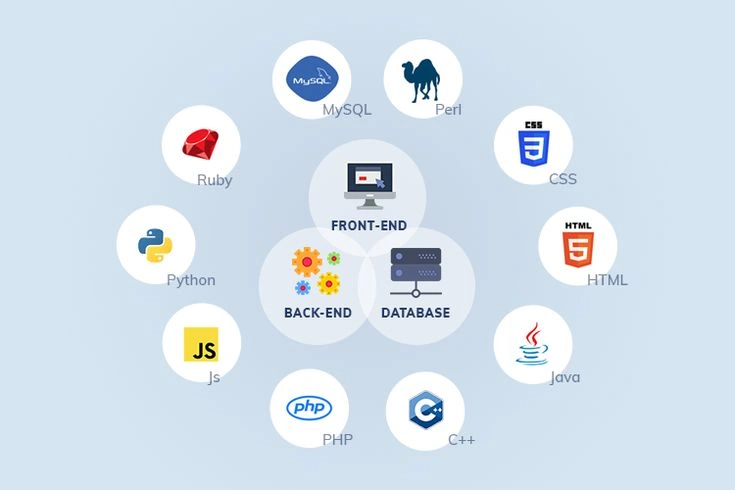
The technology stack behind your app affects its performance, scalability, and long-term maintenance costs. Here are a few important things to check:
- Is the app built using modern, widely supported technologies like React Native, Flutter, or Node.js, or does it rely on an outdated tech stack that’s difficult to maintain?
- Is the backend cloud-native and designed to scale as your business grows?
- Are the APIs well-documented and open to integration with third-party tools such as payment gateways, CRMs, and accounting software?
Choosing a platform with an outdated technology stack today can lead to expensive upgrades or even a complete migration in the next few years.
5. What’s Included in the Package and What Costs Extra?
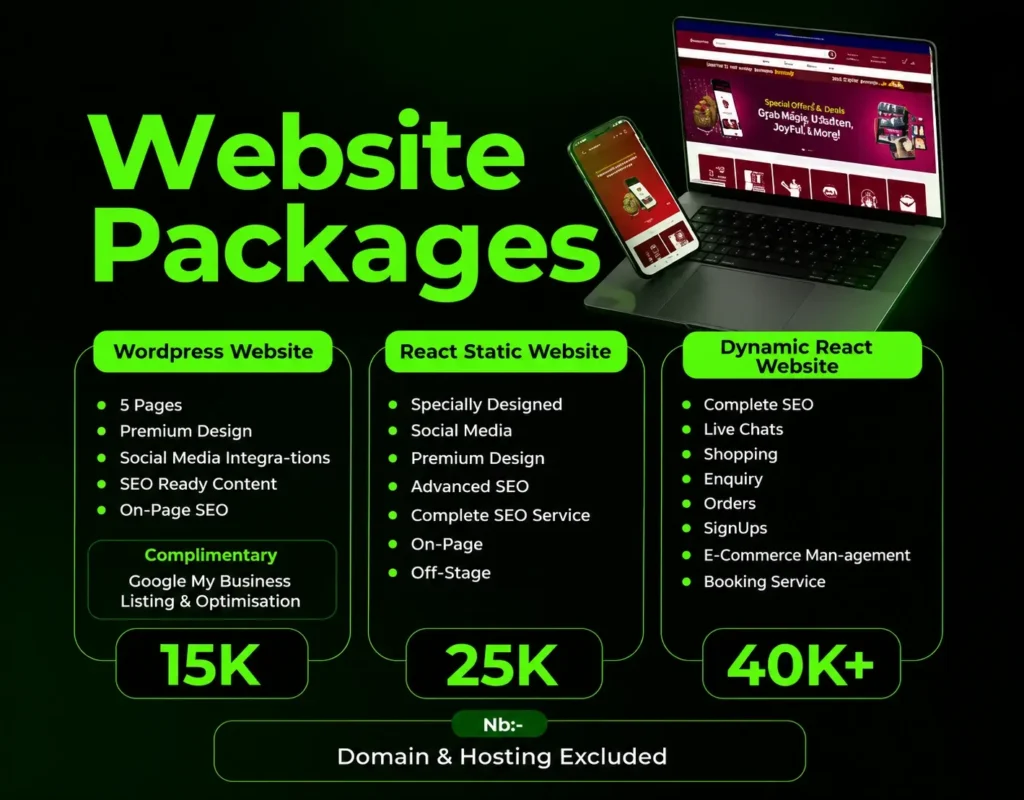
White label pricing may seem simple at first, but it’s important to understand exactly what’s included in the package. Check whether it covers:
- Customer app (iOS and Android)
- Delivery/rider app
- Admin dashboard
- Vendor or restaurant panel
- Payment gateway integration
- Push notifications, live tracking, and analytics
Also, ask what services or features require additional payment, such as:
- Advanced features
- App store submission
- Server hosting
- Ongoing support
Request a detailed cost breakdown in writing before making your decision.
6. How Strong is Post-Launch Support and Maintenance?

Launching your app is only the first step. Ongoing support is essential to keep your platform running smoothly. Before choosing a provider, ask about:
- How quickly do they respond to bug fixes and critical issues?
- Do they provide updates to support new iOS and Android versions?
- Will you have a dedicated account manager, or is support handled only through a ticketing system?
- Do they offer Service Level Agreements (SLAs) for uptime and issue resolution?
A provider with reliable post-launch support can help your business avoid downtime and keep operations running smoothly, especially during busy periods.
7. Can the App Scale With Order Volume and Geographic Expansion?

An app that handles 50 orders a day may struggle when that number grows to 5,000. Before choosing a platform, ask the provider to demonstrate:
- Load testing results or case studies from businesses with a similar order volume.
- Support for multiple cities or countries, including different currencies, languages, and tax or VAT requirements.
- A server architecture that can automatically scale during periods of high demand, such as holidays or promotional campaigns.
If a provider cannot prove their platform can scale, consider it a red flag rather than relying on future promises.
8. What Do Existing Clients Say About Reliability?

A polished marketing page doesn’t always reflect the real customer experience. The best way to evaluate a platform is by looking at feedback from existing clients.
Check for:
- Live apps built on the same platform that you can download and test.
- Client references you can contact directly.
- Reviews on independent platforms like Clutch, G2, or Google Reviews instead of testimonials selected by the vendor.
When speaking with clients or reading reviews, pay close attention to feedback about downtime, hidden fees, and how the provider handled support issues. This reveals more than any sales pitch.
9. What Is the Total Cost of Ownership Over 2–3 Years?
The initial license fee is only one part of the overall investment. To understand the true cost, consider the total cost of ownership, including:
- Annual maintenance or subscription renewal fees.
- Hosting and server costs.
- App store fees and compliance updates.
- The cost of adding new features or customizations in the future.
- Migration or exit costs if you decide to switch providers later.
Ask the provider for a detailed 2-3 year cost estimate instead of just the initial setup price. This makes it easier to compare different providers and avoid unexpected expenses later.
Final Checklist Before You Sign
Before signing with a white-label delivery app provider, review these questions to measure that you’re making the right long-term investment.
| Question | Why It Matters |
| Do you own the source code? | Prevents long-term vendor lock-in and gives you full control over your platform. |
| How customizable is the app? | Helps you create a unique brand experience and adapt the platform to your business needs. |
| What technology stack is used? | Affects performance, scalability, and future development costs. |
| What’s included in the package, and what costs extra? | Helps you avoid hidden fees and unexpected expenses. |
| What post-launch support is provided? | Ensures your app stays secure, updated, and running smoothly. |
| Can the platform scale as your business grows? | Supports higher order volumes and expansion without rebuilding your app. |
| What do existing clients say? | Gives you confidence in the provider’s reliability and customer support. |
| What is the total cost of ownership over 2–3 years? | Helps you understand the true long-term investment and return on investment. |
| Is there an exit plan if you switch providers? | Makes it easier to migrate your business if your needs change in the future. |
Choosing a white label delivery app is both a business and technical decision. By asking these nine questions before you invest, you can make a more informed decision and avoid costly changes or platform migrations later.
FAQs
A white label delivery app is a pre-built, ready-to-launch delivery platform. It includes a customer app, delivery rider app, and admin dashboard that businesses rebrand with their own name, logo, and colors instead of building software from scratch.
It depends on the provider. Some sell full source code ownership, letting you host, modify, and scale independently. Others only offer a SaaS-style license; you access their servers but never own the underlying code. Always confirm this before signing.
Look for modern, widely supported frameworks (such as React Native, Flutter, or Node.js) and a cloud-native backend that can scale horizontally. Outdated tech stacks are harder to maintain and more expensive to migrate away from later.
White label delivery software can be used by many industries, including:
Food delivery
Grocery
Pharmacy
Liquor
Flower
Courier
Pet supplies
eCommerce businesses
It is also suitable for any business that needs on-demand or scheduled local deliveries.
Supercharge your deliveries with Enatega.
Register NowConclusion
Choosing a white label delivery app isn't just about comparing features; it's about investing in a platform that can grow with your business.
The right solution should give you the flexibility to customize, the scalability to expand, transparent pricing, and reliable support long after launch.
By asking these nine questions before you sign, you'll be better equipped to choose a platform that delivers long-term value instead of surprises.
About the author

Hudaibia Khalid is a senior content writer with several years of experience in creating clear and easy-to-understand content. Over the years, she has worked closely with startups, restaurants, and entrepreneurs, helping them simplify complex digital and technical topics into actionable insights.
Her expertise lies in writing about on-demand platforms, food delivery solutions, and business growth strategies in a way that is accessible even to non-technical readers. With her experience in the industry, she focuses on guiding businesses step by step, from understanding ideas to turning them into fully working solutions.
SHARE






 IOS
IOS Android
 Web
Web