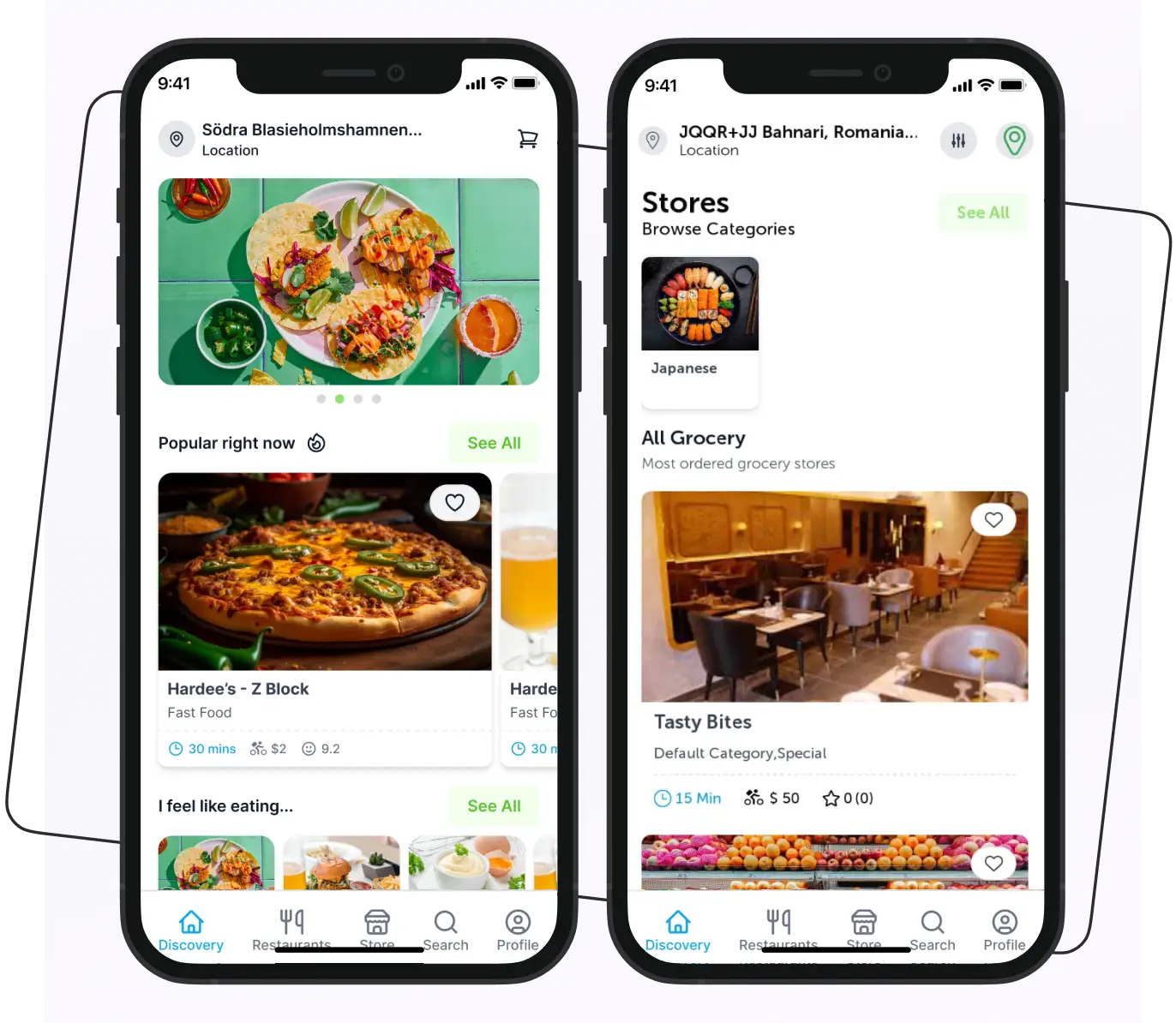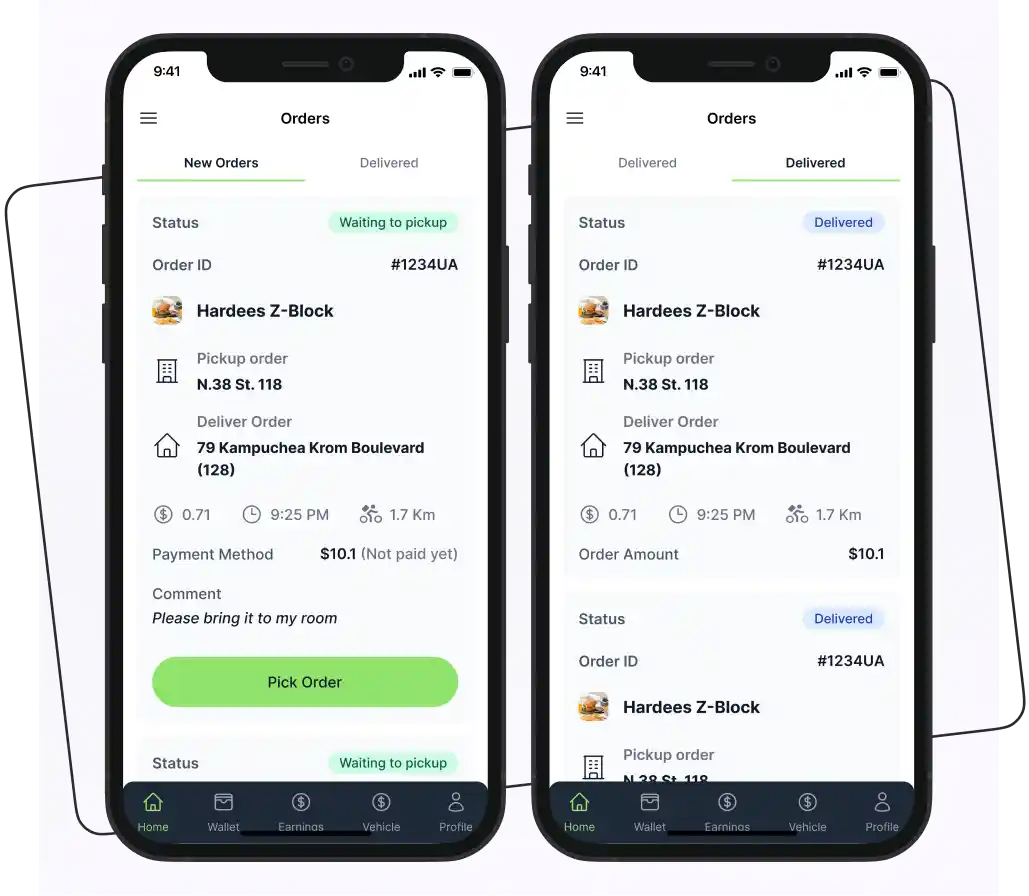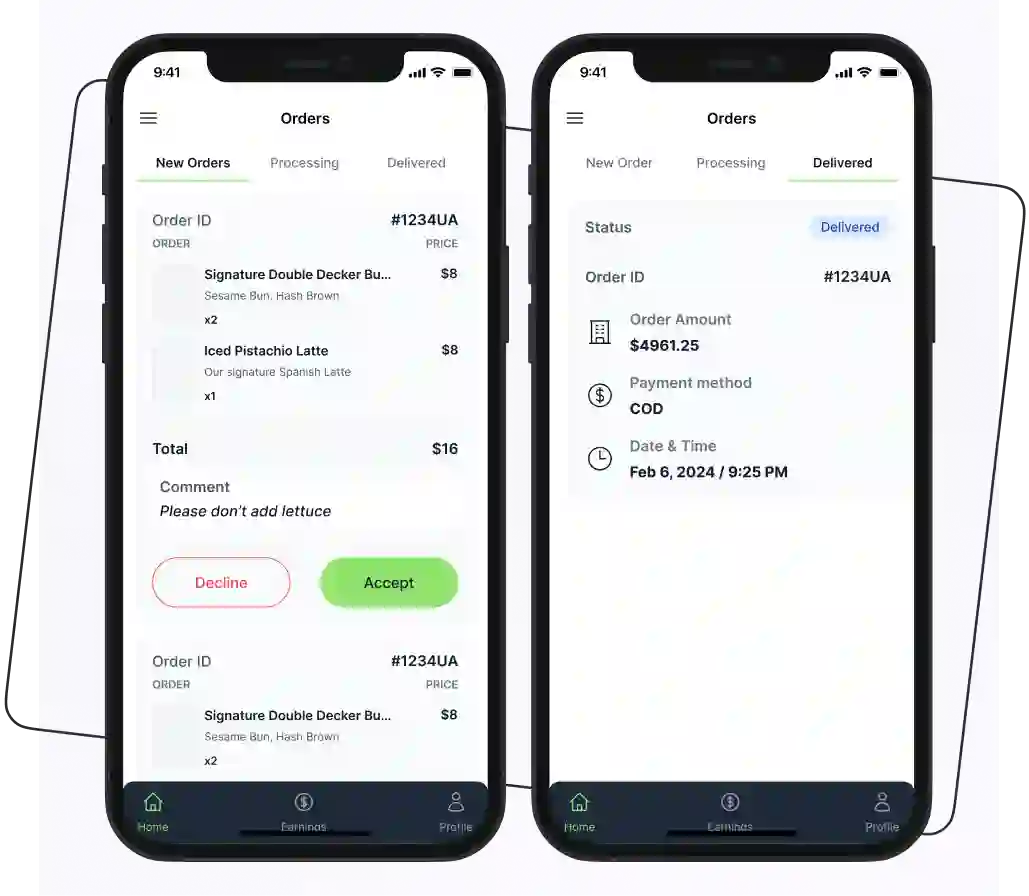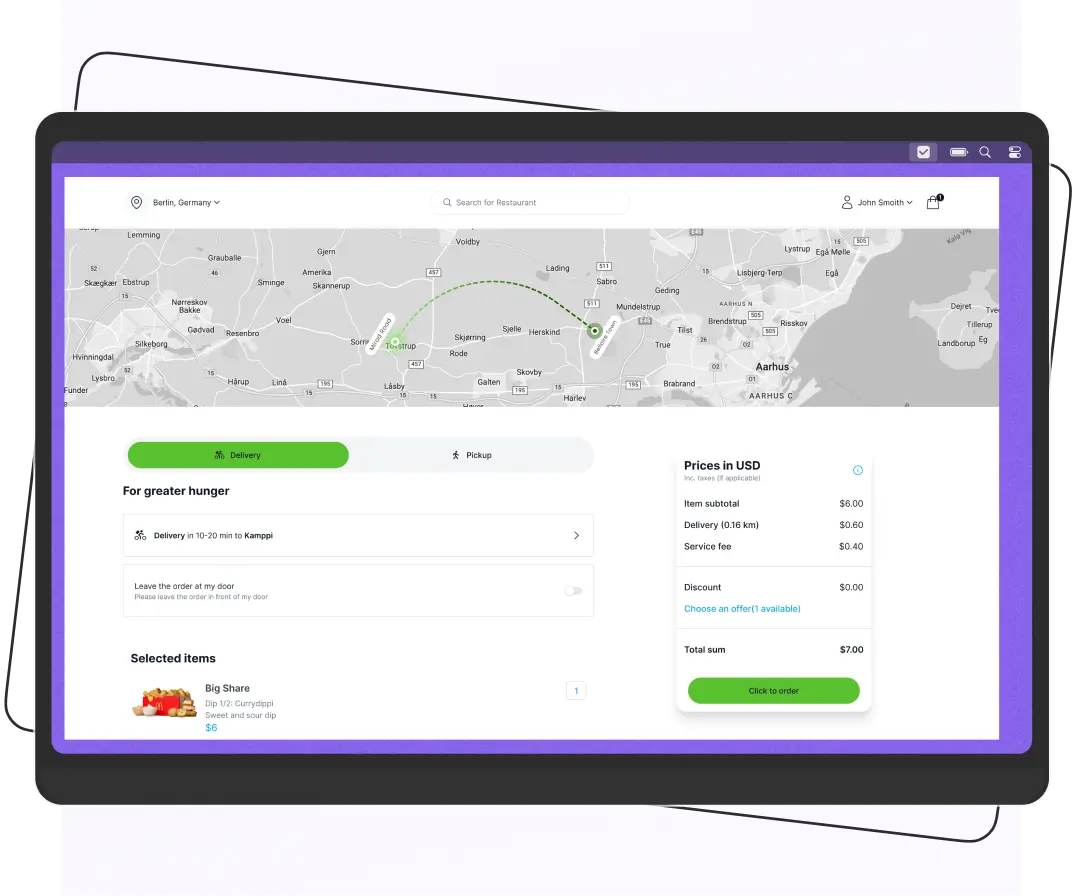


Building a food delivery app like Uber Eats costs between $30,000 and $300,000+, depending on features, platforms, and the development team’s location. A basic MVP starts around $30,000–$50,000, while a full-featured platform can exceed $250,000.
Once you understand where your budget actually goes, you can make smarter decisions, avoid unnecessary costs, and build a product that truly delivers value.
Now, explore the cost in detail so you know exactly what to expect, where your money goes, and how to build your app smarter (not more expensive).
Why Now Is the Best Time to Build a Food Delivery App?
The timing couldn’t be better to enter the food delivery industry. The industry is growing fast and showing no signs of slowing down.
According to Research and Markets, the online food delivery services market, valued at USD 198.99B in 2026, is projected to reach USD 314.84B by 2030.
Big players like Uber Eats are also showing how massive this opportunity is. The platform generated $13.7 billion in revenue in 2024, according to Business of Apps. These numbers prove how powerful and profitable this industry has become.
On top of that, most food orders today come from mobile apps, around 80%+ of all orders, and a large number of users, especially millennials, now prefer delivery over dining out.
All of this clearly shows one thing: this isn’t just a trend anymore. It’s a fast-growing, competitive market with plenty of room for new ideas and regional players.
Supercharge your deliveries with Enatega.
Register NowUber Eats Clone App Development Cost
Look at the table below and understand what it costs to build a food delivery app like Uber Eats.
| App Type | Estimated Cost | Timeline |
| Basic MVP (single platform) | $30,000 – $50,000 | 3-4 months |
| Mid-Level App (iOS + Android) | $80,000 – $150,000 | 6-9 months |
| Full-Featured Platform | $150,000 – $300,000+ | 9-18 months |
| Enterprise-Grade Platform | $300,000 – $500,000+ | 12-24 months |
These estimates include all major components such as the:
- Customer app
- Restaurant dashboard
- Delivery partner app
- Admin panel along with backend development and essential third-party integrations
Features of a Food Delivery App Like Uber Eats and Their Development Cost
| Feature | Estimated Development Cost |
| User registration and authentication (social + OTP) | $2,000 – $5,000 |
| Restaurant listings and advanced search | $5,000 – $10,000 |
| Menu management with customization | $4,000 – $8,000 |
| Real-time order tracking (GPS + WebSockets) | $8,000 – $15,000 |
| Payment gateway integration (multi-method) | $5,000 – $12,000 |
| Push notifications (FCM/APNs) | $2,000 – $5,000 |
| Ratings and reviews system | $3,000 – $6,000 |
| Driver navigation and routing system | $6,000 – $12,000 |
| In-app chat/support | $4,000 – $8,000 |
| Admin panel (full-featured) | $10,000 – $20,000 |
| Backend APIs and microservices | $15,000 – $40,000 |
| UI/UX design (all panels) | $10,000 – $25,000 |
| Analytics and reporting dashboard | $5,000 – $12,000 |
| Promo codes and loyalty program | $4,000 – $9,000 |
Advanced Features Worth Investing In
Basic features are enough to launch, but what really makes a food delivery app successful is the advanced functionality that improves user experience, boosts revenue, and increases retention.
These are the features that set a platform like Uber Eats apart from smaller competitors, and they’re worth adding in later stages of development.
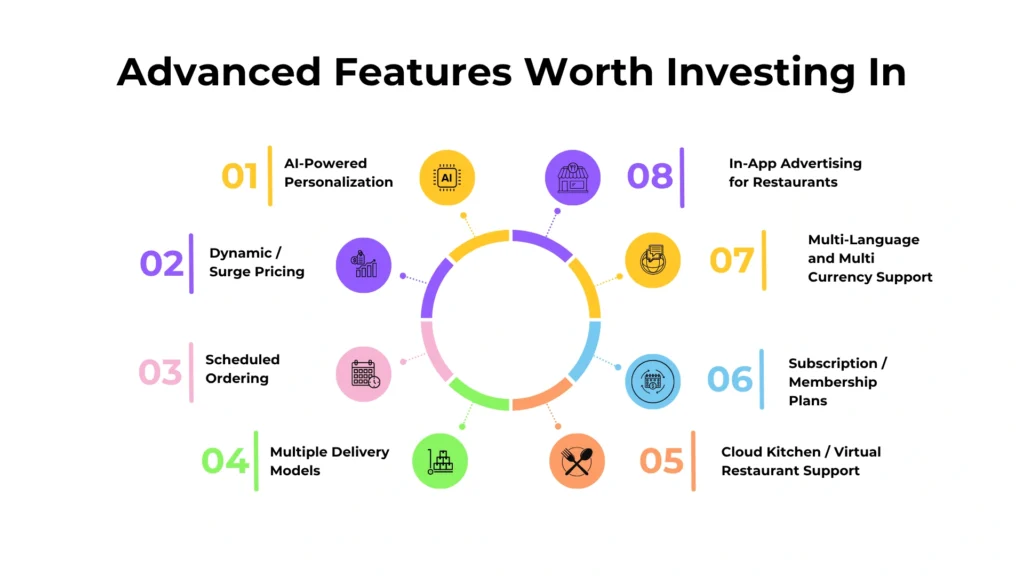
AI-Powered Personalization
Uses machine learning to study user behavior like past orders, browsing habits, and ordering time to recommend restaurants and dishes.
Estimated cost: $10,000 – $25,000
Dynamic / Surge Pricing
Automatically adjusts delivery fees based on demand, driver availability, weather, and peak hours. This helps balance supply and demand while increasing revenue.
Estimated cost: $8,000 – $18,000
Scheduled Ordering
Allows users to place orders in advance for a specific delivery time, ideal for offices, events, and planned meals.
Estimated cost: $4,000 – $8,000
Multiple Delivery Models
Supports different delivery options such as standard, express, group orders, contactless delivery, and pickup from restaurants.
Estimated cost: $6,000 – $15,000
Cloud Kitchen / Virtual Restaurant Support
Enables restaurants without a physical dine-in space to operate entirely through the platform. This is a fast-growing trend in the food delivery industry.
Estimated cost: $5,000 – $12,000
Subscription / Membership Plans
Offers premium plans (like free delivery or discounts) to frequent users, improving customer retention and lifetime value.
Estimated cost: $5,000 – $10,000
Multi-Language and Multi-Currency Support
This feature is essential for platforms targeting multiple regions or international users.
Estimated cost: $3,000 – $8,000
In-App Advertising for Restaurants
Allows restaurants to promote their listings or menu items through paid placements, creating an additional revenue stream.
Estimated cost: $6,000 – $14,000
Tech Stack Behind Uber Eats (and What to Use for Your App)
Understanding what Uber Eats actually runs on helps you make informed decisions about your own stack.
What does Uber Eats Use?
| Layer | Technology |
| Frontend (Web) | React.js + Redux |
| Frontend (Mobile) | React Native (cross-platform) |
| Backend | Node.js, Python, Go |
| Architecture | Microservices |
| Database (Primary) | PostgreSQL |
| Database (Cache) | Redis |
| Real-Time Events | Apache Kafka (event messaging) |
| Geolocation | Google Maps API + in-house systems |
| Cloud Infrastructure | Google Cloud Platform (GCP) |
| AI / ML | TensorFlow, Ludwig (recommendations, ETA, pricing) |
| CI/CD | Automated testing and deployment pipelines |
Recommended Stack for a New App Like Uber Eats
| Layer | Recommended Technology | Why |
| Mobile Apps | React Native or Flutter | Cross-platform, saves 30–40% cost, near-native performance |
| Backend | Node.js or Go | High performance, handles concurrent real-time requests efficiently |
| Database | PostgreSQL + Redis | Reliable structured data + fast caching for live tracking |
| Real-time Comms | WebSockets / Firebase | Live order status, driver location updates |
| Geolocation | Google Maps API or Mapbox | Turn-by-turn navigation, geofencing, route optimization |
| Payments | Stripe, Braintree, or Razorpay | Multi-method, PCI-compliant, global coverage |
| Push Notifications | Firebase Cloud Messaging (FCM) | Cross-platform, scalable, free tier available |
| Cloud Hosting | AWS, Google Cloud, or Firebase | Auto-scaling, global CDN, and managed services reduce DevOps cost |
| Analytics | Mixpanel or Amplitude | User behavior tracking, funnel analysis |
Starting with a monolithic backend is acceptable for an MVP; it’s cheaper to build and easier to manage at low scale. Plan to migrate toward microservices as traffic grows, which is exactly the path Uber itself took.
Cost by Development Team Location
Where you hire your development team has a major impact on the total cost of building a food delivery app like Uber Eats. Hourly rates and overall project costs can vary widely depending on the region.
Average Development Cost by Region
| Region | Average Hourly Rate | Full App Cost |
| United States / Canada | $100 – $200/hr | $150,000 – $400,000 |
| Western Europe (UK, Germany, etc.) | $80 – $150/hr | $120,000 – $300,000 |
| Eastern Europe (Poland, Ukraine, etc.) | $40 – $80/hr | $60,000 – $150,000 |
| South Asia (India, Pakistan, etc.) | $20 – $50/hr | $30,000 – $90,000 |
| Southeast Asia | $25 – $60/hr | $35,000 – $110,000 |
| Latin America | $35 – $75/hr | $50,000 – $130,000 |
A project that may cost around $200,000+ in the US or Canada can often be built for $60,000–$80,000 in South Asia or Eastern Europe, depending on the team’s expertise and project complexity.
However, cost shouldn’t be the only deciding factor. The most important part is choosing the right team, one with proven experience, strong technical skills, clear communication, and a solid portfolio in building scalable apps.
Uber Eats Clone App Development Phase
Building a food delivery app like Uber Eats is not a single-step process. It’s a structured journey where each phase contributes to the final cost, timeline, and product quality.
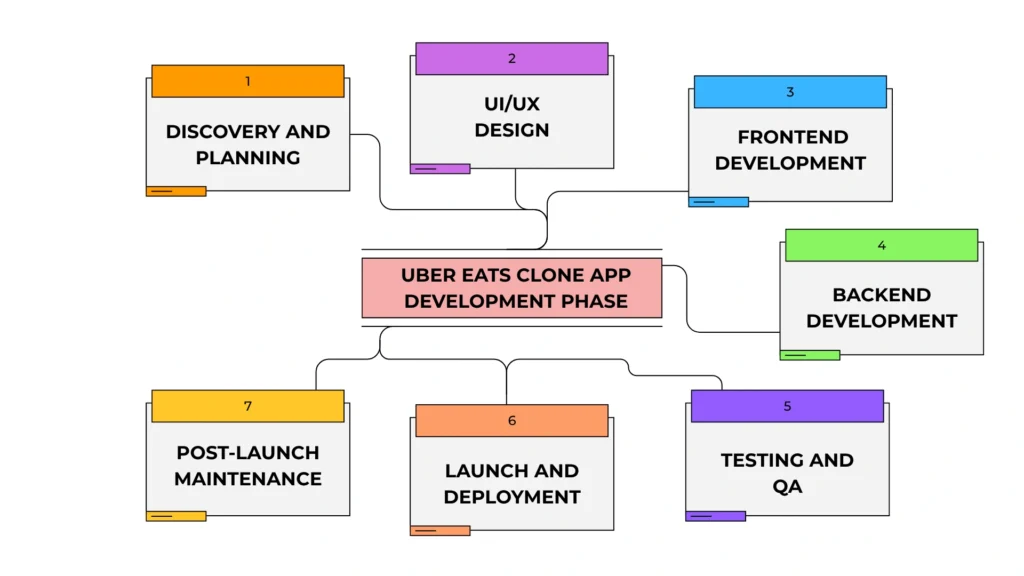
Phase 1: Discovery and Planning ($5,000 – $15,000)
This is where everything starts. The team defines your app idea, target audience, core features, and technical roadmap. Skipping this phase often leads to unclear requirements and budget overruns later.
Phase 2: UI/UX Design ($10,000 – $25,000)
This phase includes wireframes, user flows, and high-fidelity designs for all key panels (customer, restaurant, driver, and admin). A well-designed experience can improve user retention and conversion rates.
Phase 3: Frontend Development ($20,000–$70,000)
This is where the app starts taking shape visually. Developers build the user-facing apps for customers, restaurants, and delivery partners based on the approved designs.
Phase 4: Backend Development ($15,000–$60,000)
The backend handles everything: order management, payments, GPS tracking, notifications, and business logic. It also handles integrations with third-party services like maps and payment gateways.
Phase 5: Testing and QA ($8,000 – $20,000)
Before launch, the app goes through rigorous testing, including functionality, performance, security, and real-device testing to ensure everything runs smoothly.
Phase 6: Launch and Deployment ($2,000 – $8,000)
This includes deploying the backend to production servers and publishing the apps on the Apple App Store and Google Play Store.
Phase 7: Post-Launch Maintenance ($1,500 – $5,000/month)
After launch, ongoing support is required for bug fixes, updates, security patches, and scaling. Maintenance costs account for 15–20% of the initial development cost annually.
Factors that Affect the App Development Cost
The cost of building a food delivery app like Uber Eats depends on several important factors. Small changes in scope or technology choices can increase or reduce your overall budget.
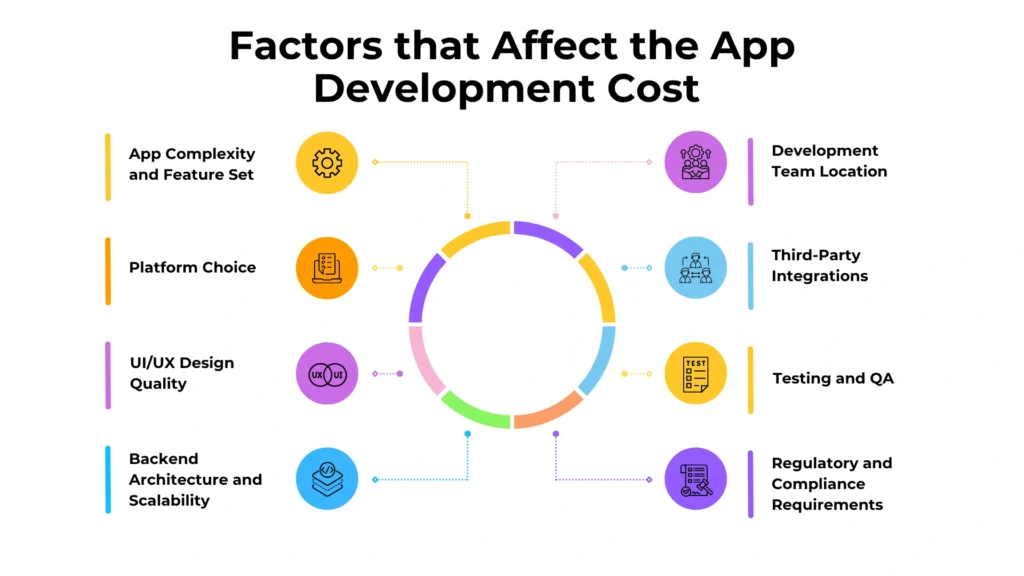
App Complexity and Feature Set
This is the biggest cost driver. A simple app with basic features like restaurant listings, checkout, and order tracking will cost much less than a full-scale platform with AI recommendations, surge pricing, loyalty programs, cloud kitchen support, and multi-city operations.
Platform Choice
Your choice of platform directly impacts development cost:
- Single platform (iOS or Android): Lowest cost, faster launch
- Cross-platform (Flutter / React Native): Around 30–40% cost savings, supports both platforms
- Native apps (Swift + Kotlin): Best performance but highest cost, usually for large-scale apps
UI/UX Design Quality
Custom, well-thought-out design improves user experience and conversions but requires more investment. A professional design for all major panels costs $10,000 – $25,000. Cutting corners here often leads to poor user retention.
Backend Architecture and Scalability
The backend is the backbone of your app. It manages real-time orders, GPS tracking, payments, and notifications. Choosing between monolithic and microservices architectures, along with cloud setup, has a major impact on both upfront and long-term costs.
Development Team Location
Developer rates vary widely depending on region, which can significantly affect your total budget.
Third-Party Integrations
Integrating external services like maps, payment gateways, SMS, push notifications, analytics, and fraud detection adds both development effort and ongoing costs. These should be planned early.
Testing and QA
Quality assurance is essential for apps that handle payments and real-time tracking. Testing usually adds 15–20% to the total development cost.
Regulatory and Compliance Requirements
Depending on your target market, you may need to consider compliance costs such as:
- Payment security standards
- Data protection laws (GDPR or local regulations)
- Food delivery and labor regulations
Legal and compliance costs can range from $2,000 to $15,000+, depending on complexity and region.
Hidden Costs to Budget For a Food Delivery App Like Uber Eats
When planning a food delivery app like Uber Eats, most people only focus on development costs. But in reality, several ongoing expenses often get overlooked, and they can impact your budget after launch.
Common Hidden Costs
| Cost Item | Estimated Cost |
| Apple Developer Program | $99/year |
| Google Play Registration | $25 one-time |
| Cloud Server / Hosting | $200 – $5,000+ per month (scales with usage) |
| Google Maps / Mapbox API | $200 – $2,000+ per month at scale |
| Payment Processing Fees | ~2.9% + $0.30 per transaction |
| SMS / Push Notification Services | $100 – $500 per month |
| Analytics Tools (e.g., Mixpanel) | $0 – $500 per month |
| Customer Support Tools | $50 – $500 per month |
| Legal and Compliance | $2,000 – $15,000 (one-time or ongoing) |
| App Marketing and User Acquisition | 20–30% of development cost |
| Insurance (Delivery Liability) | Varies by market |
One of the biggest mistakes startups make is underestimating these post-launch expenses. While development is a one-time investment, costs like cloud infrastructure, mapping APIs, and payment processing grow as your user base grows.
That’s why it’s important to plan your unit economics early, so you know how much each order costs you and how profitable your app will be at scale.
How to Reduce App Development Costs?
Building a food delivery app like Uber Eats doesn’t always have to be expensive. With the right strategy, you can reduce costs without compromising quality or user experience.
Use a Cross-Platform Framework
Frameworks like Flutter or React Native allow you to build one app for both iOS and Android. This can reduce development costs by 30-40%.
Start with One Platform
Instead of launching everywhere at once, focus on a single platform first:
- Android first: Best for price-sensitive or emerging markets
- iOS first: Better for premium users and higher-spending regions
This helps reduce upfront investment and speeds up launch.
Consider a White-Label Solution
White-label platforms give you a ready-made foundation that you can customize. This approach can cut development time and cost by 40–60%, especially if you don’t need highly unique features.
Outsource Strategically
Hiring skilled offshore teams in South Asia or Eastern Europe can dramatically reduce costs. However, success depends on proper vetting, checking portfolios, running technical assessments, and ensuring strong communication processes.
Use Managed Backend Services
Platforms like Firebase or Supabase handle infrastructure, authentication, and scaling needs. This can save $15,000–$30,000+ in early backend development and DevOps costs.
Prioritize Features
Not every feature needs to be built at launch. Focus only on core functionality for your MVP. Every additional feature increases cost, development time, and complexity.
Use Open-Source and Ready SDKs
Avoid rebuilding existing systems from scratch. Use proven solutions for:
- Payments
- Maps and location
- Authentication
- Notifications
This reduces both cost and development risk while improving reliability.
FAQs
The development timeline depends on the complexity of your app and the features you want to include.
A basic MVP (minimum viable product) usually takes around 3-4 months, covering essential features like user registration, restaurant listings, ordering, and payments.
A full-featured food delivery platform including a customer app, restaurant panel, delivery app, admin dashboard, and advanced features takes 9-18 months to design, build, test, and launch.
The most expensive part of building an app like Uber Eats is usually the backend development and real-time infrastructure.
After the backend, the next biggest cost drivers are UI/UX design across multiple panels (customer, restaurant, driver, admin) and third-party integrations such as maps, payments, and notification services.
Food delivery apps like Uber Eats generate revenue through multiple streams such as:
The main source of income is restaurant commissions, where platforms charge around 15–30% per order. On top of that, users pay delivery fees ranging from $1 to $8 per order, depending on distance, demand, and order size.
Most platforms also add service fees, usually around 5–15% of the order value, which help cover platform operations and technology costs.
Beyond per-order earnings, apps make additional revenue through subscription plans (like free delivery memberships), in-app advertising where restaurants pay for visibility, and surge pricing during peak hours or high-demand situations.
Supercharge your deliveries with Enatega.
Register NowConclusion
Building a food delivery app like Uber Eats is a big investment, but the opportunity is also very real.
The total cost depends on your features, platform choice, team, and whether you start small or build a full app from day one.
For example, real-world platforms built using Enatega show what’s possible with the right foundation. The Yalla delivery app reached 60,000+ active monthly users within its first year, proving how quickly a well-built MVP can scale when executed properly.
It is also part of a growing system where businesses have saved up to $100,000 in commission costs by using white-label delivery solutions instead of building everything from scratch.
So instead of overspending upfront, many startups focus on launching a lean version first and scaling based on demand and performance.
If you want to create an app like Uber Eats, you can register now.
About the author

Hudaibia Khalid is a senior content writer with several years of experience in creating clear and easy-to-understand content. Over the years, she has worked closely with startups, restaurants, and entrepreneurs, helping them simplify complex digital and technical topics into actionable insights.
Her expertise lies in writing about on-demand platforms, food delivery solutions, and business growth strategies in a way that is accessible even to non-technical readers. With her experience in the industry, she focuses on guiding businesses step by step, from understanding ideas to turning them into fully working solutions.
SHARE






 IOS
IOS Android
 Web
Web