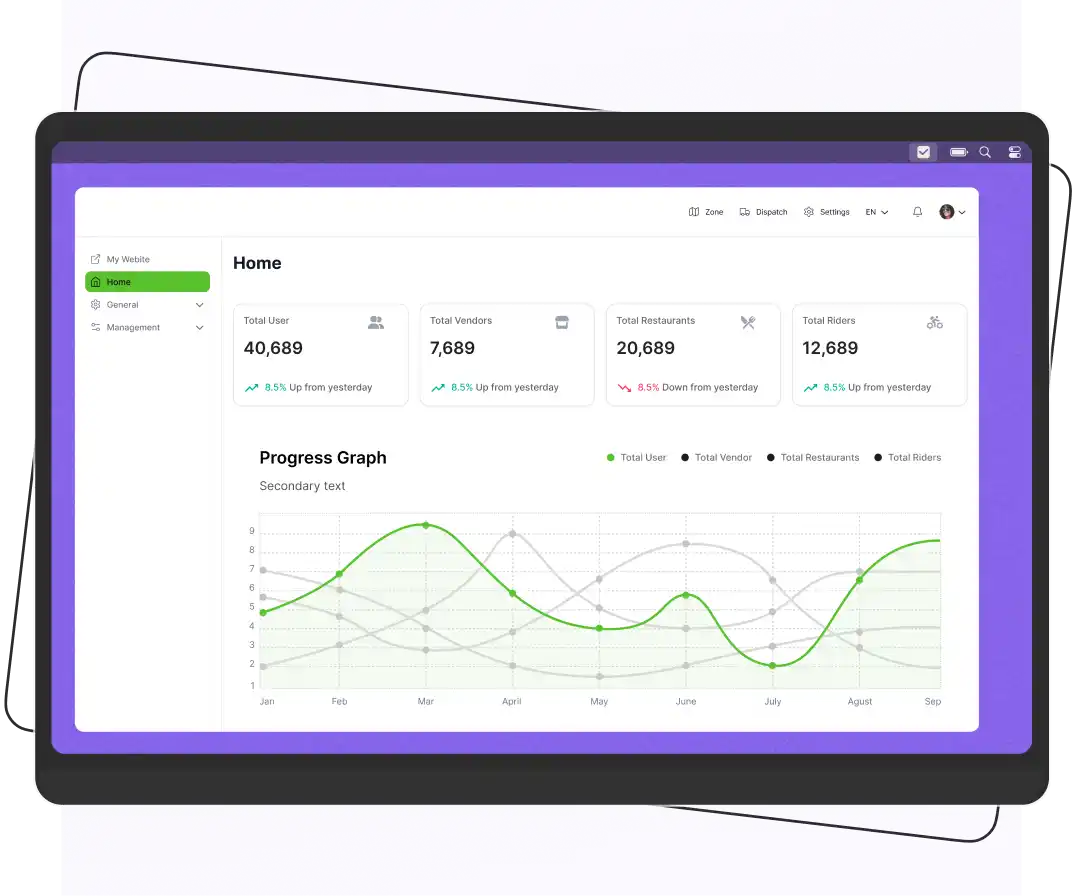


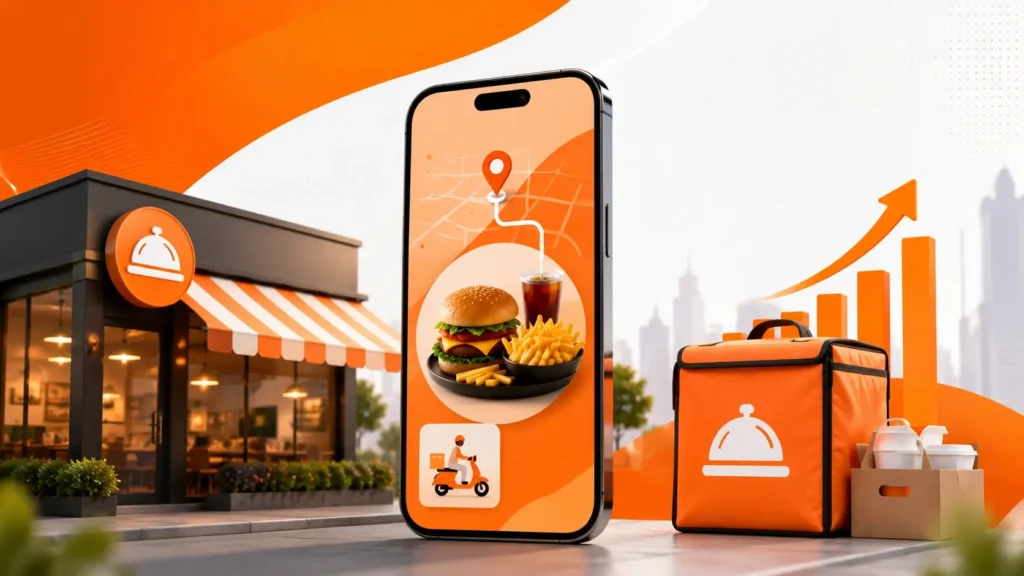
Top 10 things chains should know about owned delivery apps are:
- Owning delivery doesn’t mean quitting third-party apps.
- Commission costs only tell half the story.
- Loyalty is the main reason customers download an app.
- Franchisee rollout can make or break the app.
- Delivery logistics require a build, buy, or hybrid decision.
- Kitchen capacity must be prepared for increased digital orders.
- Customer data ownership needs a clear management plan.
- App fatigue makes customer retention challenging.
- Multi-brand and virtual brand support affects technical requirements.
- The app should be measured as a P&L channel, not just an IT project.
Every restaurant chain has had the same conversation by now: third-party delivery platforms bring volume, but they also come with a cost. DoorDash, for example, currently charges restaurants 15%, 25%, or 30% commission on delivery orders, depending on the plan.
But commissions are only part of the equation. When customers order through a marketplace, the restaurant has less control over the customer relationship and first-party data generated from those transactions.
40% of restaurant brands identified first-party digital sales as their biggest revenue-growth opportunity in 2025. Among QSRs, that figure rose to 55%, according to PR Newswire.
So, the obvious solution seems simple: “Let’s build our own delivery app.”
An owned, or first-party, delivery app isn’t simply a version of DoorDash. For a restaurant chain, it affects data ownership and long-term profitability.
And launching the app is only the beginning.
Below are 10 things restaurant chains actually need to know before and after launching an owned delivery app.
Supercharge your deliveries with Enatega.
Register NowThings Restaurant Chains Should Know About Owned Delivery Apps
Restaurant chains should understand these 10 things before launching and managing an owned delivery app.
1. “Owning Delivery” Doesn’t Mean Quitting Third-Party Apps
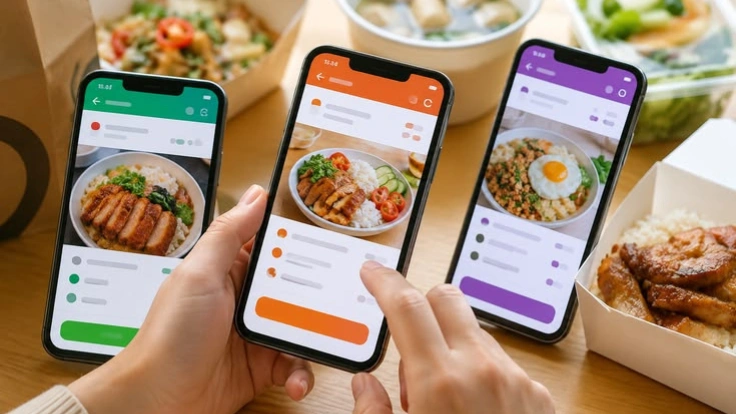
The realistic goal isn’t “eliminate DoorDash.” It’s “stop paying a 20–30% tax on your most loyal customers.”
One of the common mistakes restaurant chains make when planning an owned delivery app is treating it as an either/or decision. It doesn’t have to be.
Third-party marketplaces can still play an important role as discovery channels. They help your brand reach customers who may have never ordered from you before.
Your owned custom food app, on the other hand, becomes a retention channel. It gives you a way to turn those first-time marketplace customers into repeat direct customers.
Even pizza chains with decades of in-house delivery experience, such as Domino’s and Papa John’s, continue to use third-party platforms to reach customers who already order through those apps, while quietly migrating repeat customers to their own channel.
So, the realistic goal isn’t “eliminate DoorDash.” It’s “stop paying a 20-30% tax on your most loyal customers.”
2. The Commission Math Only Tells Half the Story

Chains that only model the commission line and skip the lifetime-value line consistently undervalue what an owned app is worth.
Everyone talks about the 15-30% commission charged by third-party delivery platforms. But that number only shows part of the cost. What often gets overlooked is that commission can displace the customer relationship.
When an order comes through a marketplace, you may not have direct access to customer details such as their name, phone number, email, or complete order history. That makes it harder to bring them back with a push notification, create audiences based on your best customers, or send personalized offers such as birthday discounts.
An owned delivery app changes that. It can turn a one-time transaction into a first-party customer record that helps you build and market to the relationship over time.
3. Loyalty Is the Actual Reason People Download the App
Most discussions about owned delivery apps focus on saving money and reducing third-party commissions. But customers don’t download an app because a restaurant wants to cut costs. They download it because there’s something in it for them.
For most diners, that value comes from the loyalty program. Points, rewards, membership tiers, and personalized offers give customers a reason to keep the app on their phone and come back for their next order.
A smooth ordering experience may get someone to place an order once, but loyalty is what can bring them back again and again. For chains that build strong loyalty programs, members can also contribute a significant share of overall sales.
If your owned app launches without a loyalty program from day one, customer retention can suffer, even if the ordering experience is excellent.
4. Franchisee Rollout Can Make or Break an Owned App
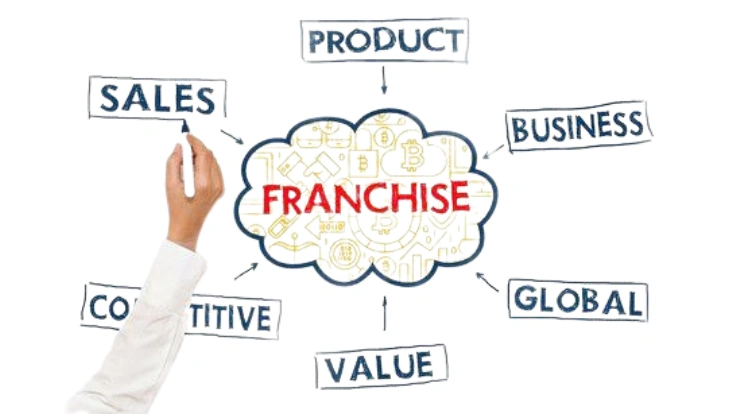
For restaurant chains, building the app is often the easy part. The bigger challenge is getting hundreds or thousands of franchise locations to use it in the same way.
Franchisees may resist if the app changes their POS process, adds new equipment, or changes how tips and delivery fees are shared. These issues should be solved before the app launches.
Restaurant chains should answer a few important questions:
- Who pays for the app? Corporate, franchisees, or both through a shared fee structure?
- Is participation mandatory? Will every franchisee be required to use the app, or can locations opt in?
- How are orders assigned? What happens when a customer is located between two franchise territories?
- How will revenue be shared? How are delivery fees, tips, discounts, and promotions handled across locations?
If these questions aren’t solved early, you could end up with a great-looking app that only half of your locations actually support.
5. Build vs. Buy vs. Hybrid Delivery Logistics is a Real Decision
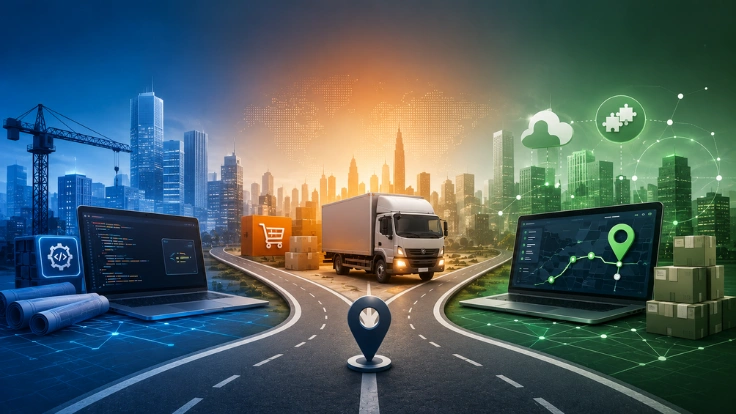
An owned ordering app still needs a way to get food to the customer. Restaurant chains usually choose from three main delivery models:
- Fully in-house drivers
This is the classic pizza-chain model. It gives the restaurant more control over delivery but also comes with higher labor costs and can be harder to scale quickly into new markets.
- White-label platform with a driver network
Some platforms connect your app with third-party drivers for a flat fee per order instead of a commission. This can reduce overhead, but you have less control over the delivery experience.
- Hybrid delivery
Chains can use their own drivers during busy periods and third-party drivers when they need extra help. This can reduce the cost of paying drivers during slow hours.
So, which model is best? It depends mainly on how many orders each location receives.
A busy restaurant in a city may have enough orders to justify its own drivers. A suburban location with fewer orders may save more money by using third-party drivers when needed.
6. Kitchen Capacity Can Become a Bigger Problem Than the App
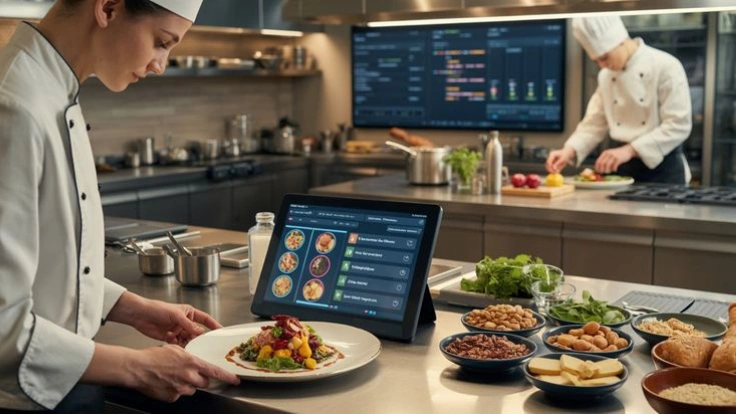
An owned delivery app, combined with a strong loyalty program and marketing campaign, can quickly bring in more digital orders. But if the kitchen doesn’t have enough staff, space, or equipment to handle the extra orders, the problem isn’t the app; it’s the operation behind it.
Chains should prepare for busy periods by using order-throttling features, such as limiting the number of digital orders during rush hours or automatically increasing the estimated preparation time when the kitchen is busy.
Without these controls, customers may face long wait times and late deliveries. The same problem that can push them away from third-party platforms.
That’s why an owned delivery app should connect with the Kitchen Display System (KDS), not just the POS. This helps the kitchen see incoming orders clearly and manage them easily.
7. Data Ownership Needs a Real Plan, Not Just a Marketing Claim
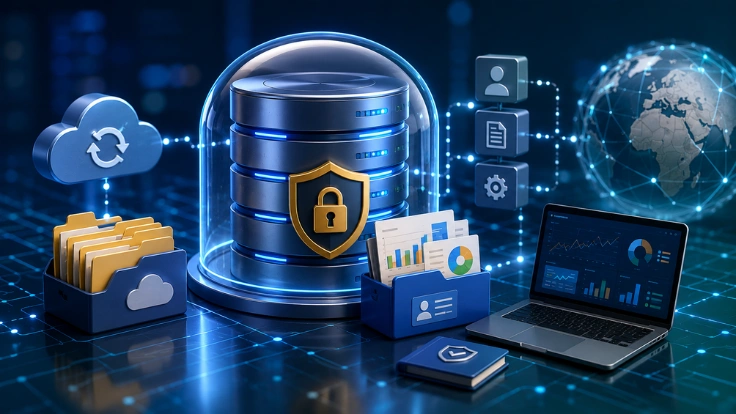
“We own the data” sounds great in an owned-app pitch. But owning customer data is only the first step. Chains also need a clear plan for how that data will be managed, protected, and used.
Before launching, they should answer questions like:
- Who can access the data? Only the corporate marketing team, or franchisees too?
- How will the data stay compliant? What steps will be taken to follow privacy laws such as CCPA and similar state regulations?
- Can the data move between systems? If the chain changes its POS or CRM provider later, will it still keep years of customer history?
- Who controls the customer data? Is the data truly owned by the chain, or is it stored inside a vendor’s system?
Chains that don’t answer these questions before launch often find their “owned” data is actually locked inside a vendor’s system. It creates a new version of the same dependency it was trying to avoid.
8. Customers Won’t Download Every Restaurant App
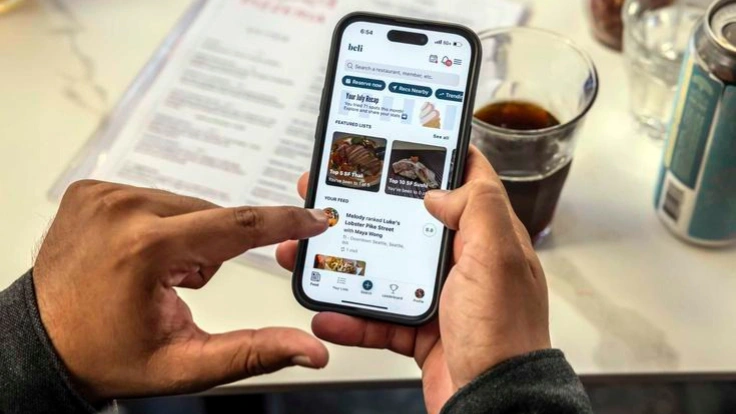
Most customers won’t keep five different restaurant apps on their phones. If someone only orders from your chain twice a month, they need a good reason to keep your app among all the other apps they use every day.
This is why loyalty rewards and special offers are often more important than ordering convenience.
Some restaurant chains also use a mobile website for first-time or occasional customers instead of asking them to download the app immediately. After a customer orders two or three times, the chain can then encourage them to install the app with loyalty rewards, exclusive deals, or other benefits.
The goal isn’t to get every customer to download your app. It’s to give the right customers a reason to keep using it.
9. Multi-Brand Support Changes Requirements
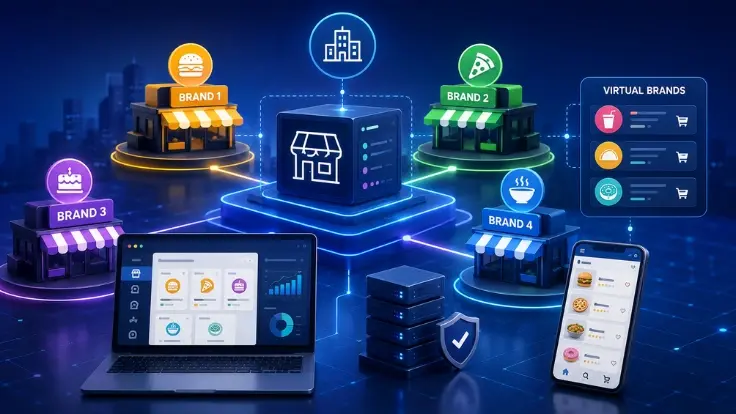
Restaurant chains with multiple brands, ghost kitchens, or co-branded locations need more than a basic delivery app. Their technology should be able to handle multiple menus, different brand identities, and more from the start.
For example, one kitchen may operate two different restaurant brands. The system should allow customers to order from each brand while the business manages everything from one backend.
Chains should decide early whether brands will have shared or separate loyalty programs, menus, customer data, and promotions.
Trying to add a second brand later to an app built for only one concept can require major technical changes and extra costs. Planning for multi-brand support from the beginning makes it easier to add new concepts as the business grows.
10. Measure it as a Business Channel
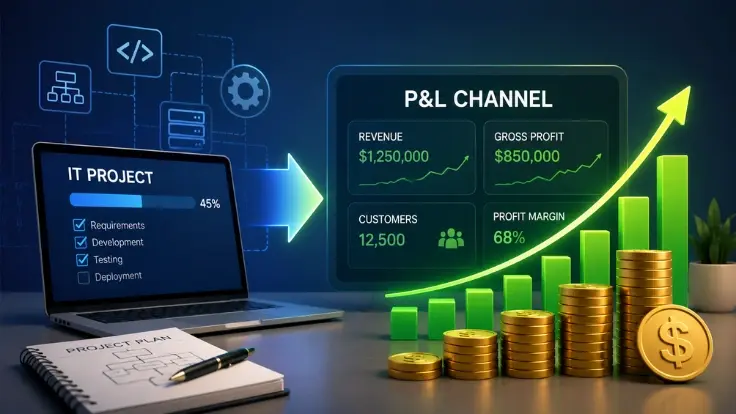
The most successful owned-app programs treat the app like a revenue channel, not a one-time technology project. Chains need to track whether the app is actually generating profitable, repeat business.
Some important metrics to monitor include:
- Cost per digital acquisition: How much does it cost to bring each new customer to the app?
- Cost per order: Compare the cost of running the app, maintaining it, and managing delivery with the number of orders it generates.
- 30/60/90-day repeat orders: How many customers come back and order again after 30, 60, or 90 days?
- Sales by channel: Track how much revenue comes from the app, third-party marketplaces, and in-store orders.
The biggest mistake is treating the app launch as the finish line. An owned app needs:
- Ongoing marketing budget
- Customer retention strategy
- Regular improvements
- Someone responsible for its performance
Otherwise, the chain may see a large number of downloads at launch but very few repeat orders afterward.
FAQs
An owned delivery app is an ordering platform that a restaurant chain controls. It lets the chain manage customer relationships, orders, loyalty, and first-party customer data directly.
Not necessarily. Third-party apps can help attract new customers, while an owned app can encourage repeat customers to order directly.
It can reduce reliance on third-party marketplace commissions for direct orders. However, chains still need to consider app development, maintenance, marketing, and delivery costs.
Building a custom, owned delivery app for a restaurant or retail chain costs between $40,000 and $150,000 for a standard mid-to-high level implementation. For massive, enterprise-grade chains requiring multi-region scalability and advanced automation, costs can exceed $300,000.
The biggest reason owned restaurant apps fail is:
Poor user experience
Forcing users to create an account
Slow load times
Clunky interfaces
Supercharge your deliveries with Enatega.
Register NowConclusion
An owned delivery app isn't about replacing third-party marketplaces. It's about taking control of the customer relationship instead of continuing to rent it.
The technology is the easy 20% of the project. The real work happens behind the app: getting franchisees on board, preparing kitchens for more digital orders, managing delivery, and giving customers a reason to come back.
Get those right, and the owned app stops being a cost center that competes with DoorDash for downloads and starts being the highest-margin channel the chain has.
About the author

Hudaibia Khalid is a senior content writer with several years of experience in creating clear and easy-to-understand content. Over the years, she has worked closely with startups, restaurants, and entrepreneurs, helping them simplify complex digital and technical topics into actionable insights.
Her expertise lies in writing about on-demand platforms, food delivery solutions, and business growth strategies in a way that is accessible even to non-technical readers. With her experience in the industry, she focuses on guiding businesses step by step, from understanding ideas to turning them into fully working solutions.
SHARE






 IOS
IOS Android
 Web
Web