


9 questions to ask before leaving GloriaFood are:
- How much time do I have?
- What happens to my data?
- What will the new platform cost?
- Will I own my data and platform?
- Does it support my POS and payments?
- Which features do I actually need?
- What migration support is provided?
- What is my exit plan?
- What do current users say
If GloriaFood has been helping your restaurant’s online orders, there’s one date you can’t afford to ignore: April 30, 2027.
Oracle is retiring GloriaFood, and new signups have already closed. That doesn’t mean you need to make a rushed decision, but it does mean you need a plan for what comes next.
For more than a decade, GloriaFood has been a go-to choice for independent restaurants because it is simple, affordable, and offers commission-free online ordering.
Many restaurants built their ordering operations around it, which makes the shutdown more than just a software change. It’s a transition that can affect your customers, orders, data, and day-to-day operations.
The good news? You have time to choose your next platform carefully. The bad news? Not every GloriaFood alternative will give you the same flexibility, pricing, or control.
Before you make the switch, ask the right questions.
- Can you keep your data?
- What will the replacement actually cost?
- Does it support the features your restaurant needs?
- Will you own your platform or simply rent another one?
- And what happens if you want to scale later?
With these questions in mind, let’s explore the 9 questions you should ask before leaving GloriaFood in 2026.
Supercharge your deliveries with Enatega.
Launch NowWhat to Ask Before Leaving GloriaFood
Below are the nine questions worth answering before you commit to any GloriaFood alternative.
1. How much time do I actually have?
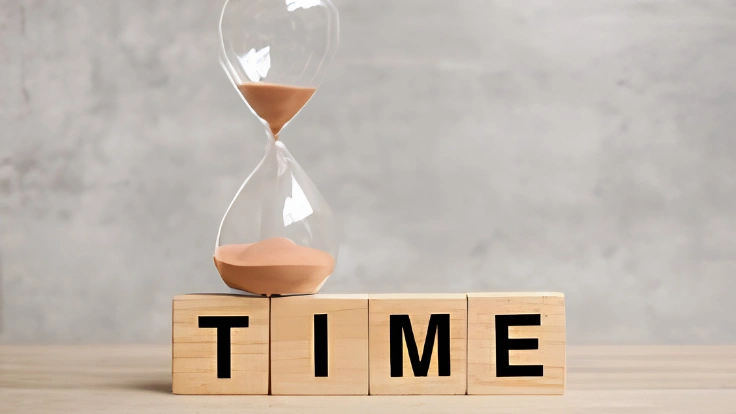
GloriaFood will continue working on orders, menus, widgets, and all until April 30, 2027. That may sound like plenty of time, but the window to make a smooth transition is getting smaller.
For starters, new signups are already closed. Therefore, restaurants that haven’t started planning their next platform are already behind those that began preparing after the shutdown announcement. And as the shutdown date gets closer, support and export options may become more limited as resources gradually shift away from the product.
The restaurants waiting until the last few months could make the transition much harder. The restaurants most likely to have a smooth switch are the ones that start migrating now, well ahead of the deadline, rather than waiting until spring 2027 when many businesses may be trying to make the move at the same time.
2. What happens to my menu, customers, and order history?
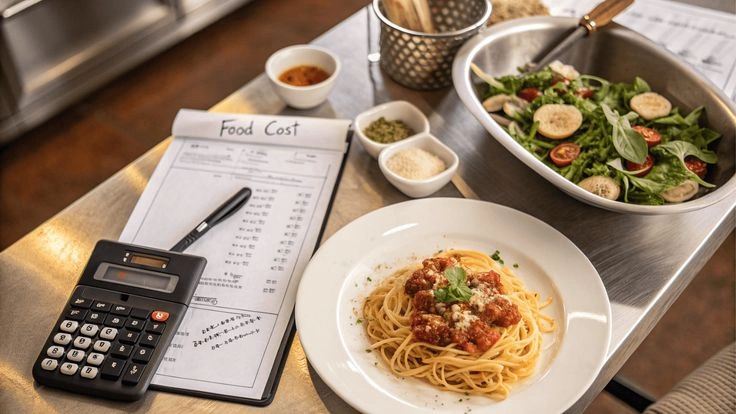
One of the biggest concerns when leaving GloriaFood is what happens to the data you’ve built up over the years. Oracle has confirmed that there will be no data retention or archival service after the shutdown date.
Before choosing your replacement, find out exactly what you can export from GloriaFood. This may include menu items, categories, photos, prices, customer contact lists, and order history. Just as importantly, check whether your new provider has a proper import process for this data or whether you’ll have to rebuild your menu and settings manually from scratch.
The migration process can vary widely between platforms. Some alternatives offer done-for-you migration, with their team importing your menu and settings. Others leave the entire process in your hands.
3. Is the pricing model actually comparable to what I’m paying now?
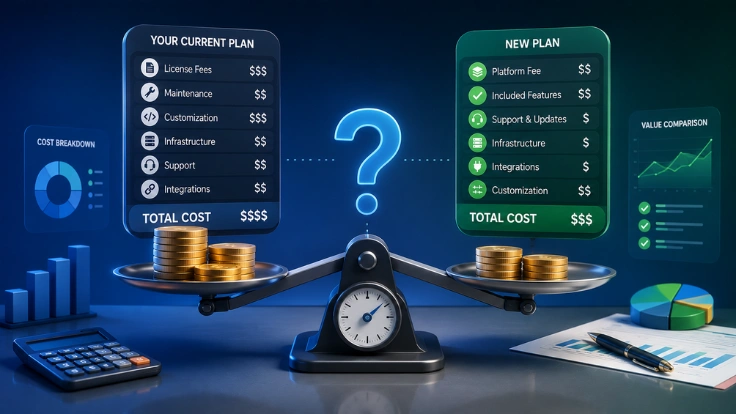
GloriaFood’s core ordering widget was free, but many restaurants paid for additional features such as card payment processing or a branded app. So, while the starting price may have been $0, your actual monthly costs may have looked quite different.
When comparing GloriaFood alternatives, don’t stop at the headline price. Look at the full cost of running your online ordering system, including:
- Monthly subscription
- Per-order commission (if applicable)
- Payment processing fees
- Any additional charges for a branded app or website
Different platforms use different pricing models. Some charge a flat fee with no commission, while others take a percentage from every order or combine a subscription with order-based fees.
What looks like the cheapest option at first may end up costing significantly more once your order volume starts growing.
The real question isn’t “How much does the platform cost?” It’s “How much will I actually pay as my restaurant’s orders increase?”
4. Will I own my customer data and my ordering page, or am I renting it again?
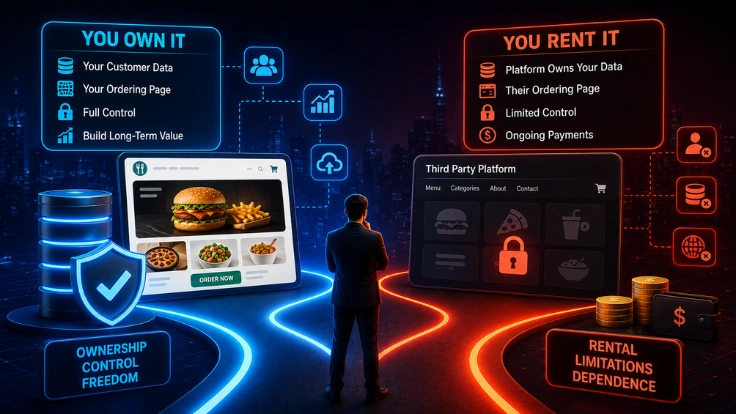
The GloriaFood shutdown highlights an important question that’s easy to overlook when choosing a replacement: who actually owns the platform your restaurant depends on?
Before signing up for an alternative, find out whether your customer data, ordering domain, website, and branded app belong to you or remain tied to the platform provider.
You should also understand what happens to these assets if the provider changes its pricing, shuts down, or you decide to move to another platform later.
If you simply switch from GloriaFood to another closed SaaS product without checking these details, you may not be eliminating the risk; you could just be starting the same cycle over again.
Look beyond the features and monthly price. Choose a platform that gives you greater control over the digital assets your restaurant relies on, so your next migration doesn’t become another major disruption.
5. Does it integrate with the POS and payment processor I already use?
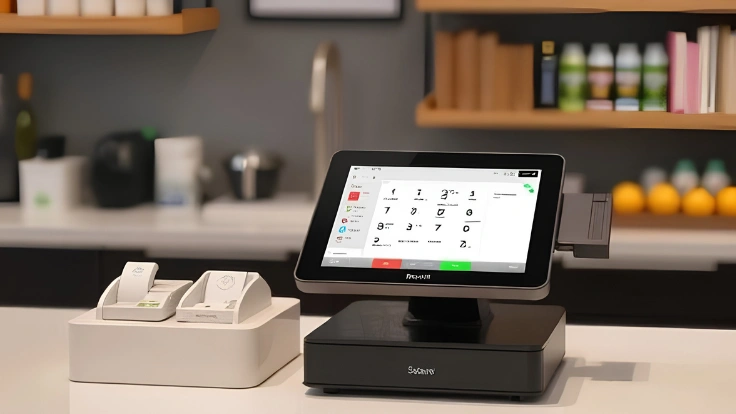
If you use a POS system, kitchen display, or specific payment processor, confirm that the alternative supports the integrations you need. A platform may look affordable, but if orders don’t flow smoothly into your existing kitchen workflow, your staff could end up manually entering orders all over again.
That can slow down service, increase the risk of errors, and create unnecessary work during busy hours.
Check integration compatibility before you commit, not after you’ve already migrated. A little research upfront can save you from one of the most common causes of a frustrating transition.
6. Which features do I genuinely need, not just which ones look impressive?
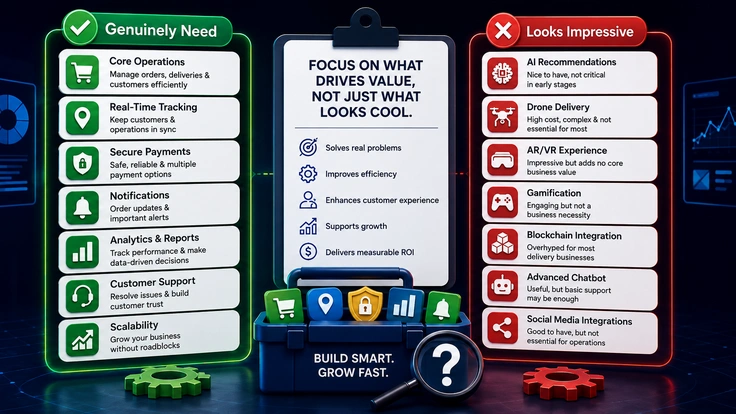
It’s easy to get distracted by a long list of features when comparing GloriaFood alternatives. GloriaFood handled the essentials well, including an ordering widget, delivery zone management, and basic order routing.
Many newer platforms go much further, offering loyalty programs, SMS and email marketing, multi-location or multi-vendor management, advanced analytics, and more.
But having more features doesn’t necessarily mean getting more value. If you’re unlikely to use them, they may simply push you into a more expensive pricing tier.
Instead, separate your requirements into two lists: must-haves, the features GloriaFood already provides and your restaurant depends on, and nice-to-haves, the features you’ve wished you had but can live without.
Then compare pricing plans based on your must-have features first. This makes it easier to find a platform that fits your actual needs without paying extra for features you may never use.
7. What does onboarding and migration support actually look like?
“We support migration” can mean very different things depending on the platform. For some providers, it might simply mean sending you a help article. For others, it could mean having a dedicated team import your menu, configure your delivery zones, and help get everything ready for launch.
Before you commit, ask these questions:
- Who will move my menu data?
- How long will the setup realistically take?
- What parts of the migration will I need to handle myself?
- Is there a period where I can run the old and new systems in parallel before fully switching over?
A short overlap period can make the transition much less risky. You can point your order button to the new platform while keeping GloriaFood live as a backup, giving you time to test the new system before fully switching over.
8. What’s my exit plan if I ever need to leave this platform too?
The GloriaFood shutdown has made one thing impossible to ignore: no SaaS platform is guaranteed to be around forever. A provider can change direction, get acquired, change its pricing, or discontinue a product.
So before moving to a new platform, think beyond the initial setup and ask yourself: What happens if I need to leave this one too?
Ask the provider how your data and customer relationships are handled if you decide to switch or if the company itself decides to shut down. Can you export your menu, customer list, and other important data whenever you need to? Is there a long-term contract or early termination fee?
A platform that makes it easy to leave is generally a platform confident in its own value; treat friction on the way out as a warning sign now, not later.
9. What do current restaurant owners actually say about it?
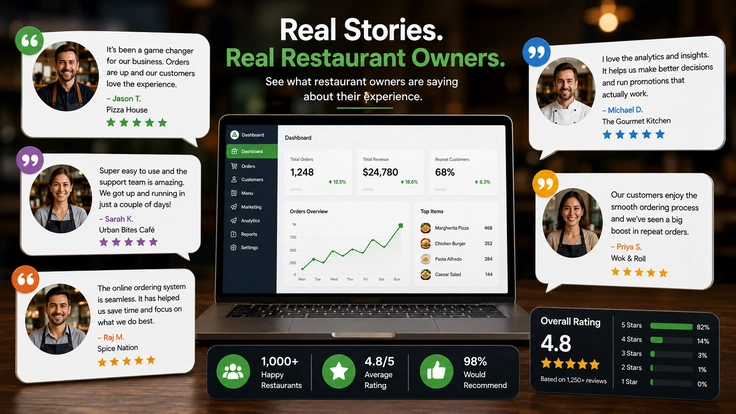
A platform can look great on its website. Real users may tell a very different story. Marketing pages will highlight features, pricing, and support. But independent reviews can give you a better idea of what it’s actually like to use the platform day after day.
Before making your decision, check reviews on platforms such as Capterra, G2, and GetApp. Look beyond the overall rating and pay attention to what restaurant owners say about ease of use, customer support, pricing, and integrations. These platforms use verified or moderated reviews to help buyers evaluate software based on real user experiences.
Pay particular attention to complaints about billing surprises, contract terms, and how quickly support responds when something goes wrong during service. Those are the details that matter most once you’re relying on the platform to take live orders.
Enatega as a GloriaFood Alternative
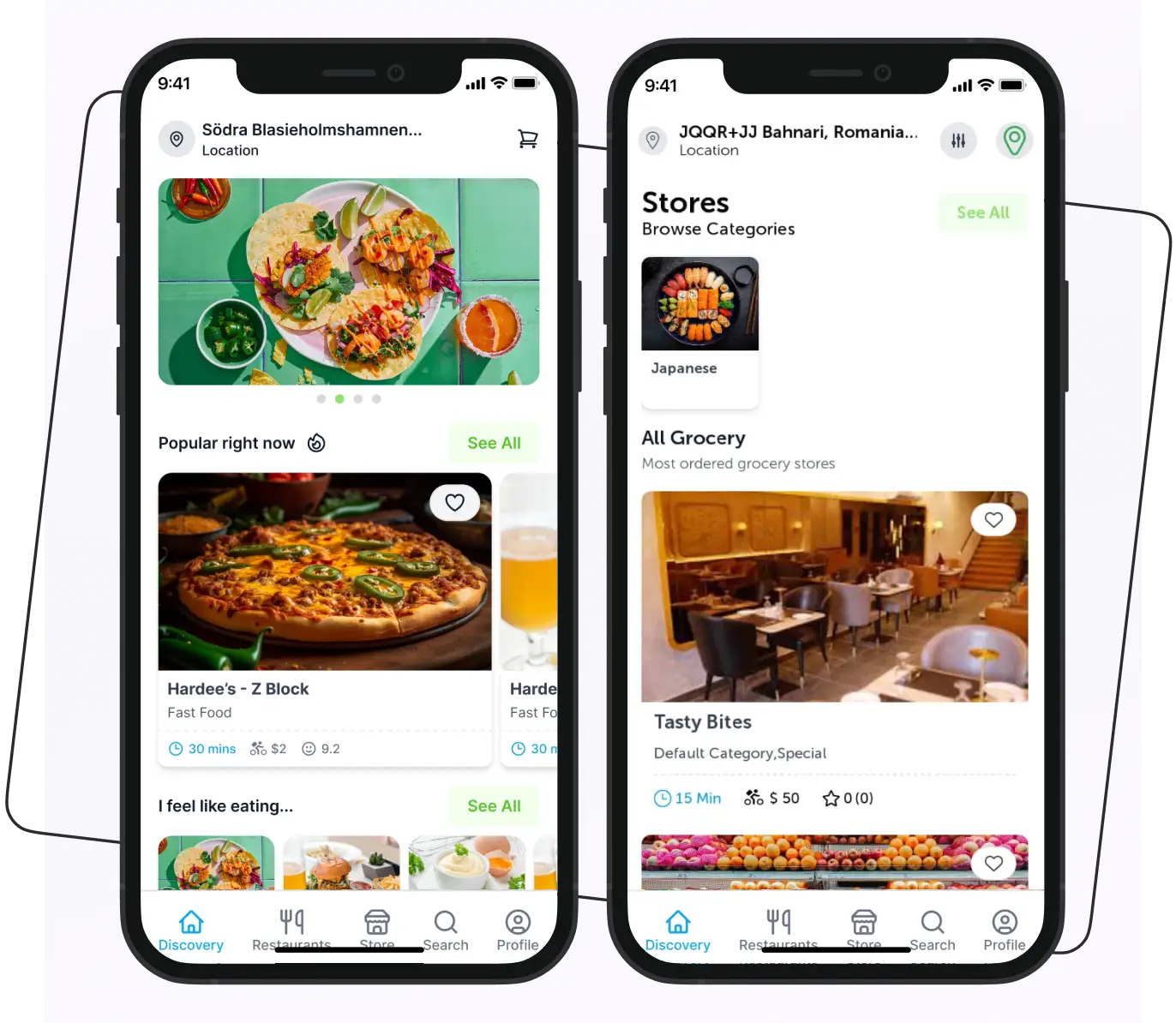
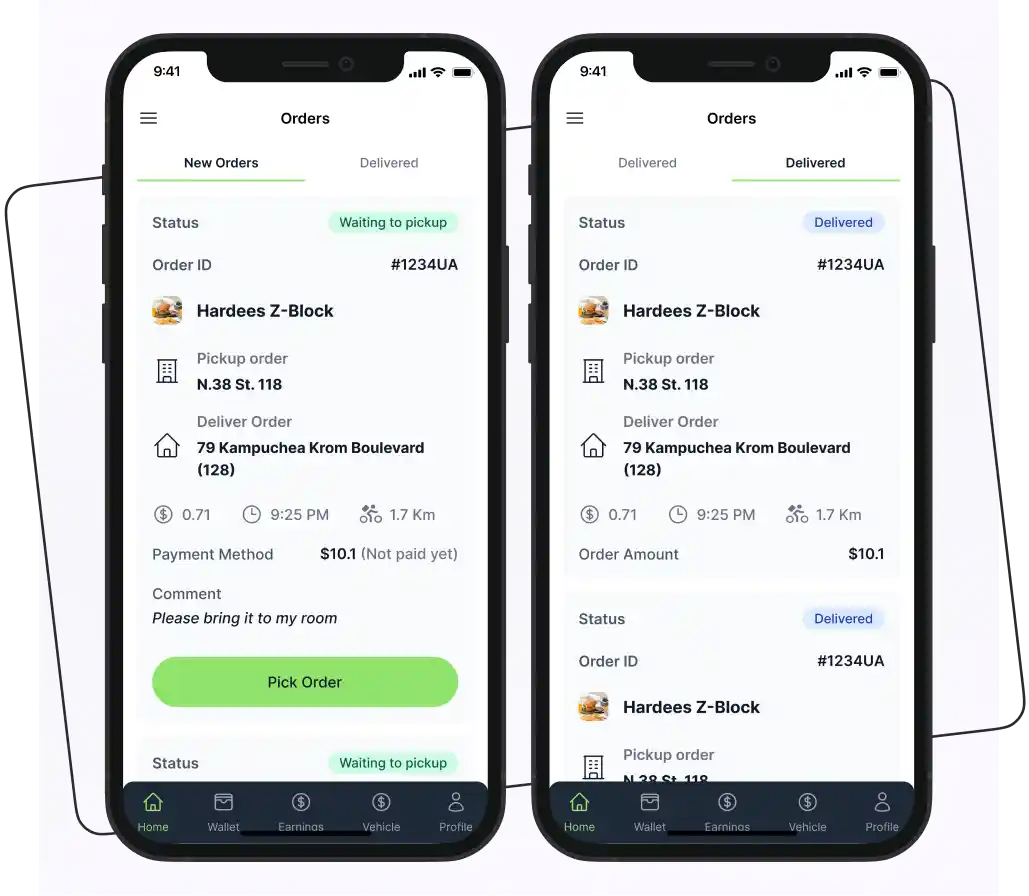
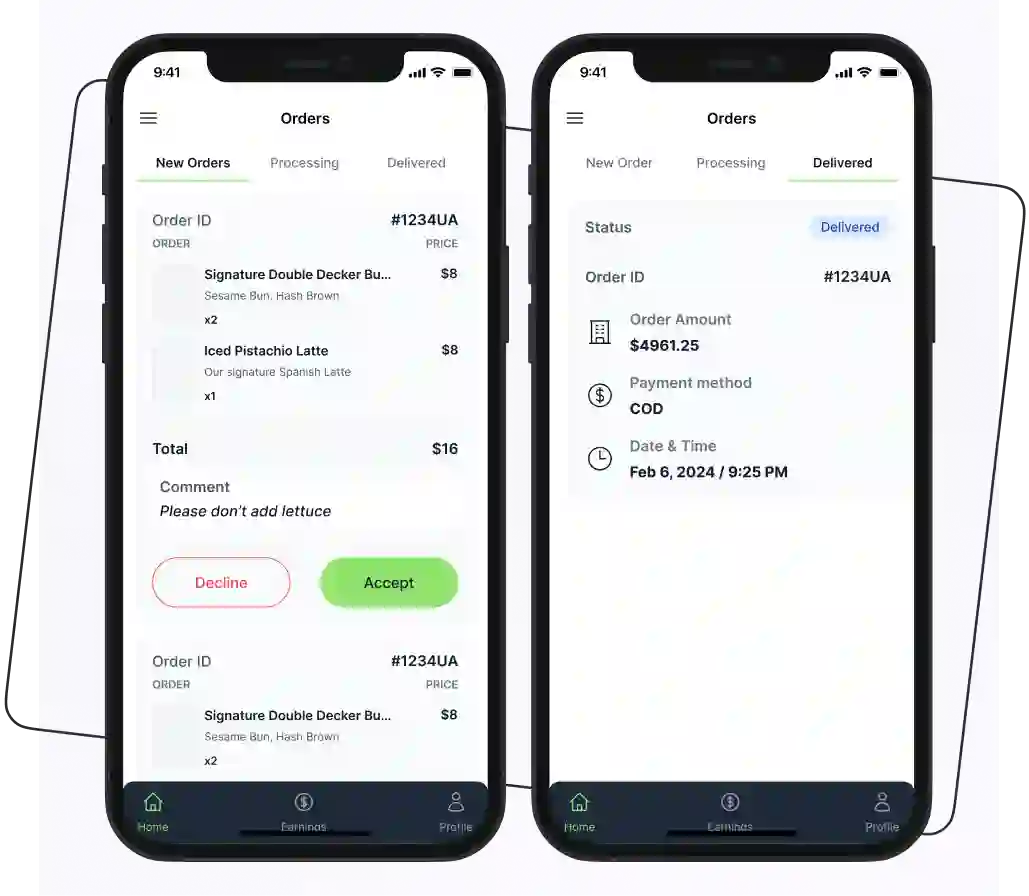
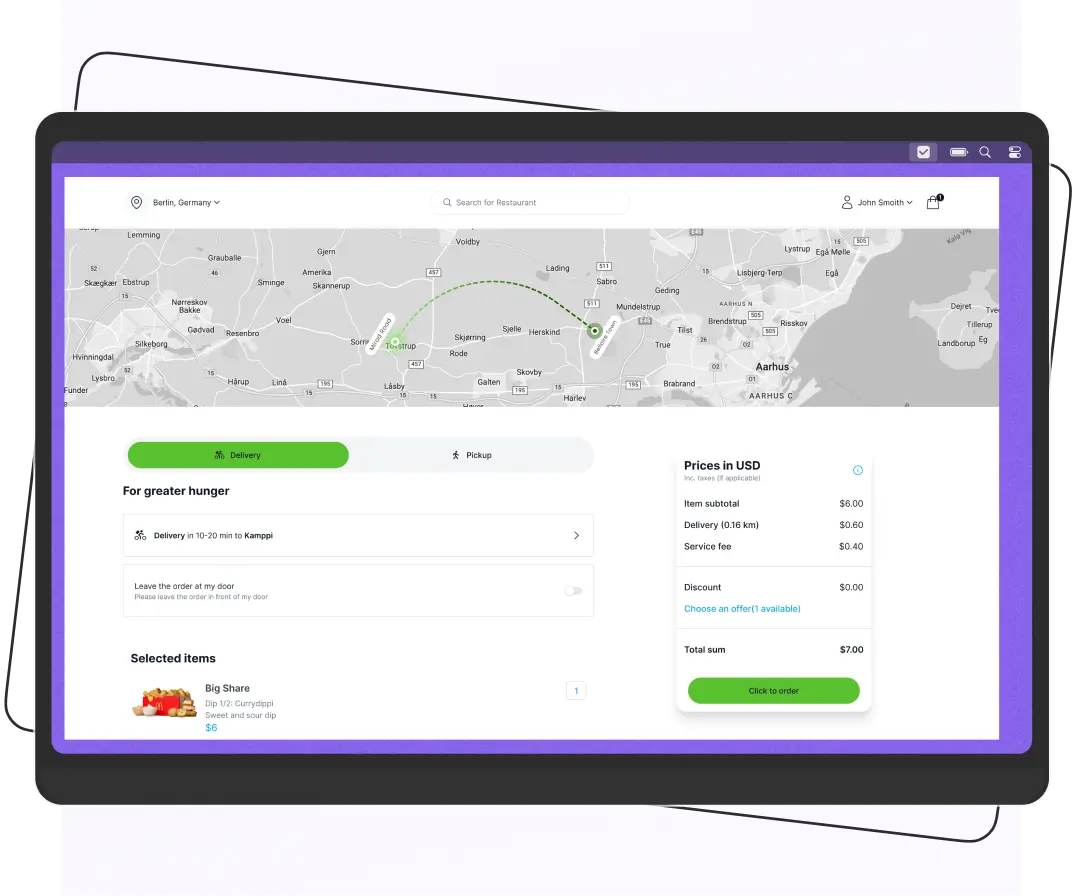
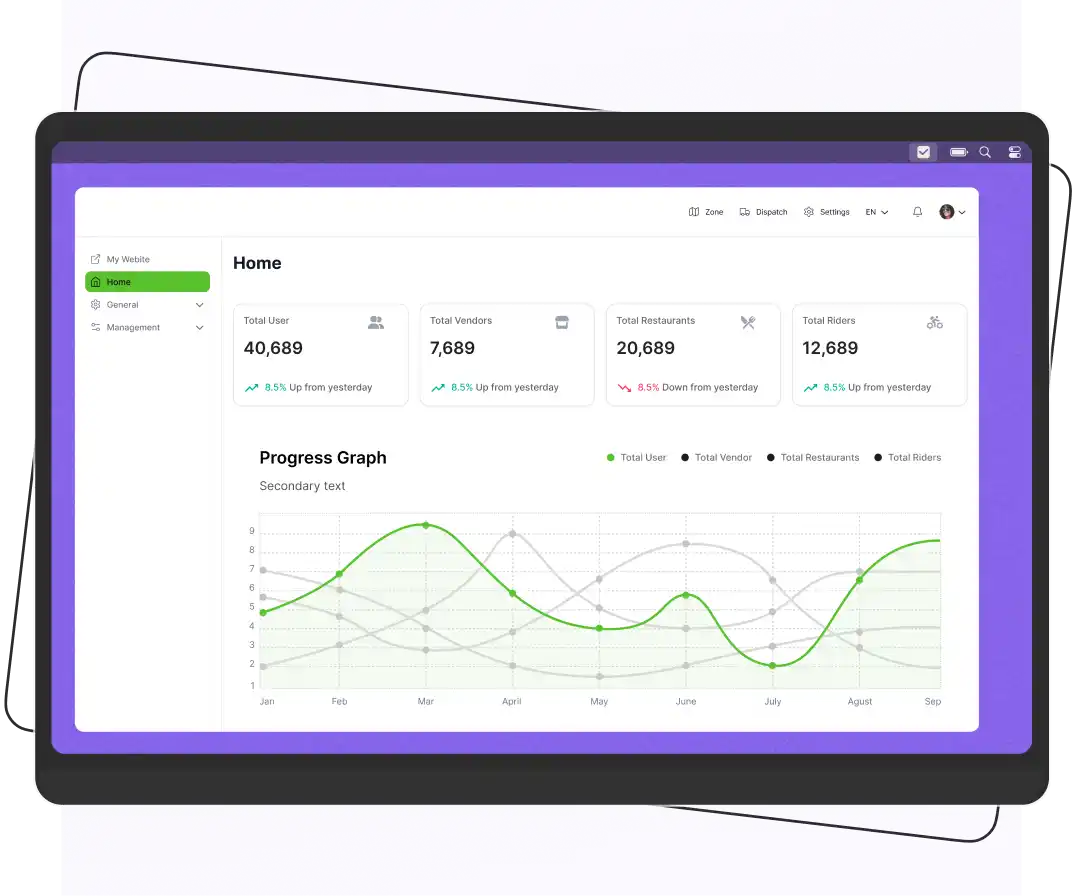
One option worth understanding on its own terms because its model is genuinely different from GloriaFood’s is Enatega, an open-source delivery and ordering platform. Running it through the nine questions above:
- Ownership Model
Instead of renting access to a hosted SaaS widget, Enatega provides the underlying source code, including customer, rider, and store apps, along with an admin dashboard. This directly addresses question 4 (data and page ownership) and question 8 (exit plan) in a way most subscription platforms can’t. Because you’re not locked into someone else’s infrastructure, you have more control over the platform rather than relying entirely on a vendor.
- Pricing Structure
Enatega is sold as a one-time payment rather than a monthly subscription or per-order commission. This is a fundamentally different cost structure from GloriaFood’s low-cost model: a larger upfront investment, but without an ongoing commission on every order.
- Features
Enatega covers the core online-ordering needs, including menu and kitchen management, order and dispatch management, and real-time delivery tracking. It also extends into multi-vendor and multi-vertical use cases such as food, grocery, and courier services. That makes it relevant to question 6, although the additional capabilities are most valuable if you actually plan to use them.
- Setup and Support
It is self-hosted; deploying Enatega is closer to setting up your own software than simply clicking “Sign Up.” That’s an important trade-off when considering question 7.
It can work well for a restaurant or group that has technical resources or is comfortable hiring them, but it may not be the best fit for an owner looking for a quick, five-minute widget installation like GloriaFood.
FAQs
Yes. Oracle, which owns GloriaFood, confirmed the platform will be permanently retired on April 30, 2027. In-app banners and partner emails have already gone out to account holders, and new signups are closed.
April 30, 2027. Existing accounts can keep taking orders normally up to that date; after it, the ordering pages, QR codes, the FoodBooking app, and any connected integrations stop working entirely.
Yes, unless you export it yourself first. Oracle has confirmed there’s no data retention or archival plan after the shutdown date, so anything left in your account is not recoverable once the platform goes offline.
No. GloriaFood stopped accepting new restaurant signups after the shutdown was announced, and the white-label partner program has also been discontinued.
Yes, several GloriaFood alternatives offer free plans or free basic online ordering options. However, these plans may come with limits on features, customization, integrations, or order volume. Before switching, check what’s included for free and whether additional features come with monthly fees or commissions.
Not urgently, but sooner is safer. GloriaFood keeps functioning until the shutdown date, but support responsiveness and export tooling tend to get worse as the deadline approaches, and everyone waiting until early 2027 will be migrating at the same time. Moving months in advance, with your old and new systems briefly running in parallel, is the lower-risk path.
At minimum: your full menu (items, categories, prices, photos), your delivery zone settings, your customer contact list, and your order history if you want it for records or reporting.
Do this well before the deadline, since export tools may slow down or be deprioritized as the shutdown date nears.
Supercharge your deliveries with Enatega.
Launch NowConclusion
GloriaFood’s shutdown isn’t a reason to rush into the first alternative you come across. It’s a chance to make a smarter choice this time around.
Start by giving yourself enough time to plan the move and export everything you can from GloriaFood while the platform is still fully operational. When comparing alternatives, look beyond the advertised price and consider the things that will affect your business in the long run.
Most importantly, don’t simply replace one rented system with another and hope for the best. Use this transition as an opportunity to build an online ordering setup that gives you more control and can grow with you tomorrow.
About the author

Hudaibia Khalid is a senior content writer with several years of experience in creating clear and easy-to-understand content. Over the years, she has worked closely with startups, restaurants, and entrepreneurs, helping them simplify complex digital and technical topics into actionable insights.
Her expertise lies in writing about on-demand platforms, food delivery solutions, and business growth strategies in a way that is accessible even to non-technical readers. With her experience in the industry, she focuses on guiding businesses step by step, from understanding ideas to turning them into fully working solutions.
SHARE






 IOS
IOS Android
 Web
Web