

Key Takeaways
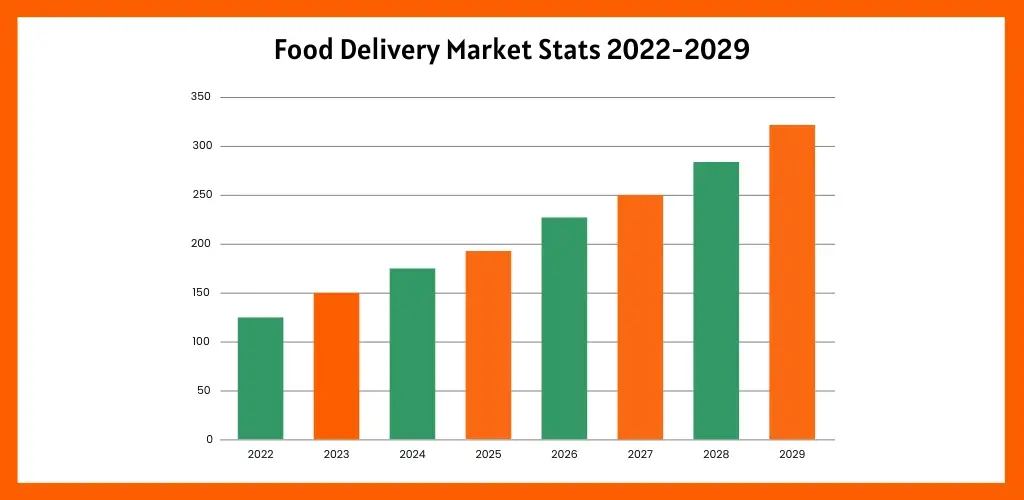
- Market Growth: Food delivery is projected to hit $213B by 2030.
- Top Players: Major platforms include Uber Eats, Zomato, and Grubhub.
- Revenue Models: Platforms earn via commissions, ads, and subscriptions.
- Key Features: Live tracking, multiple payments, and contactless delivery are essential.
- Trends: Ghost kitchens, AI automation, and healthier meals are shaping the industry.
Imagine a hot pizza delivered to your door in minutes, all with a few taps on your smartphone. It is all possible with on demand food delivery services.
The on-demand food delivery industry is growing, with the market projected to reach $213 billion by 2030. Digital food ordering has grown 300% faster than dine-in traffic since 2014, and over 70% of customers now prefer ordering food online.
With giants like Uber Eats, Zomato, and Grubhub dominating the space, the industry offers great opportunities for entrepreneurs. Whether you’re a restaurant owner or an aspiring food delivery service provider, understanding the best platforms, revenue models, and key features can help you scale your business.
In this blog, we’ll explore the top on-demand food delivery services, how they work, and the strategies you need to double your revenue in 2026.
What are On Demand Food Delivery Services?
On-demand food delivery services enable customers to order meals via mobile apps or websites. These services provide convenience to customers by placing orders from the comfort of their homes or offices and getting the food delivered to their doorstep.
The food delivery applications simplify the lives of customers, and they get all the things under one roof. People use different food delivery apps like Uber Eats, Zomato, Grubhub, and others to place orders online from their favorite restaurants.
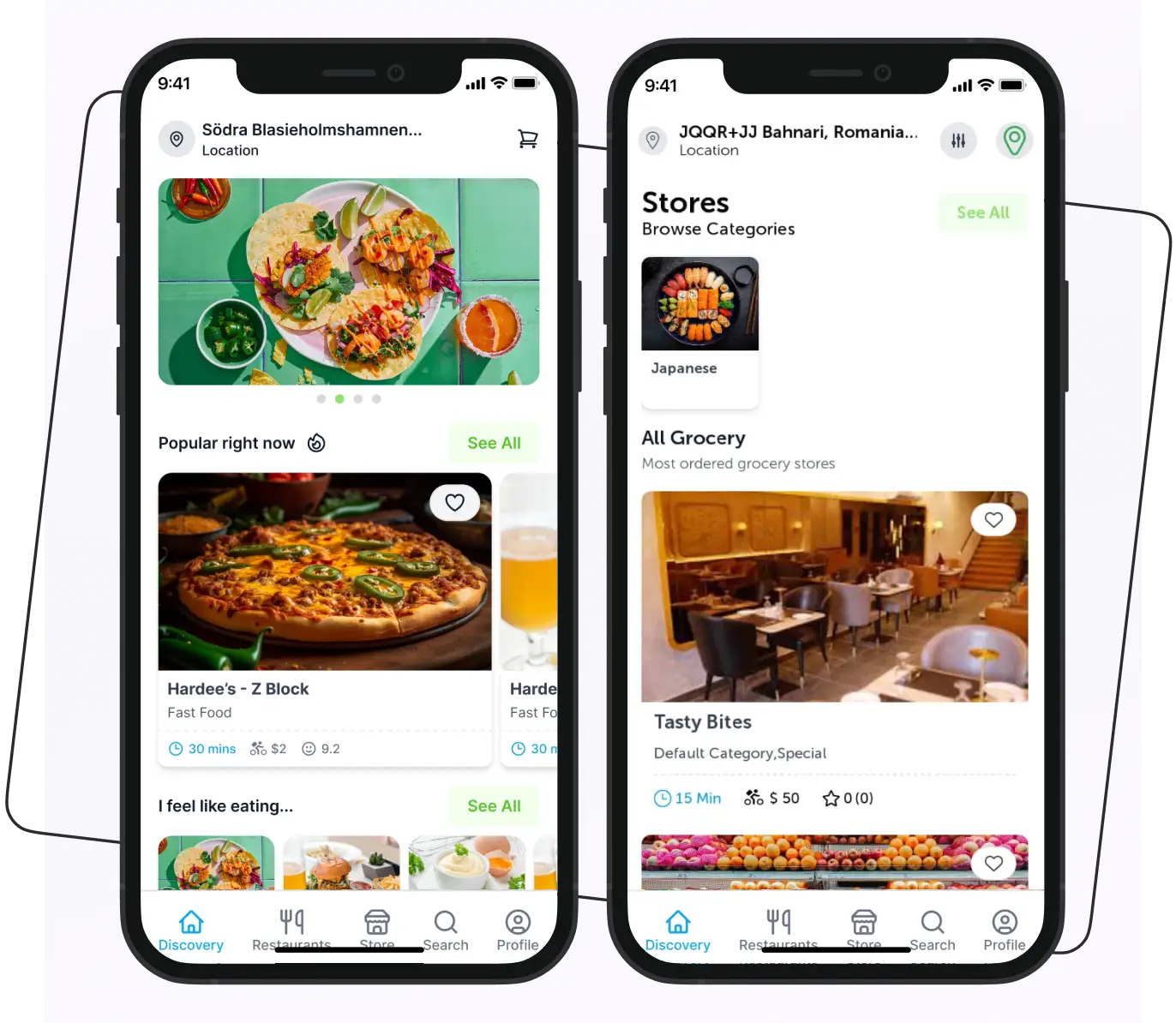
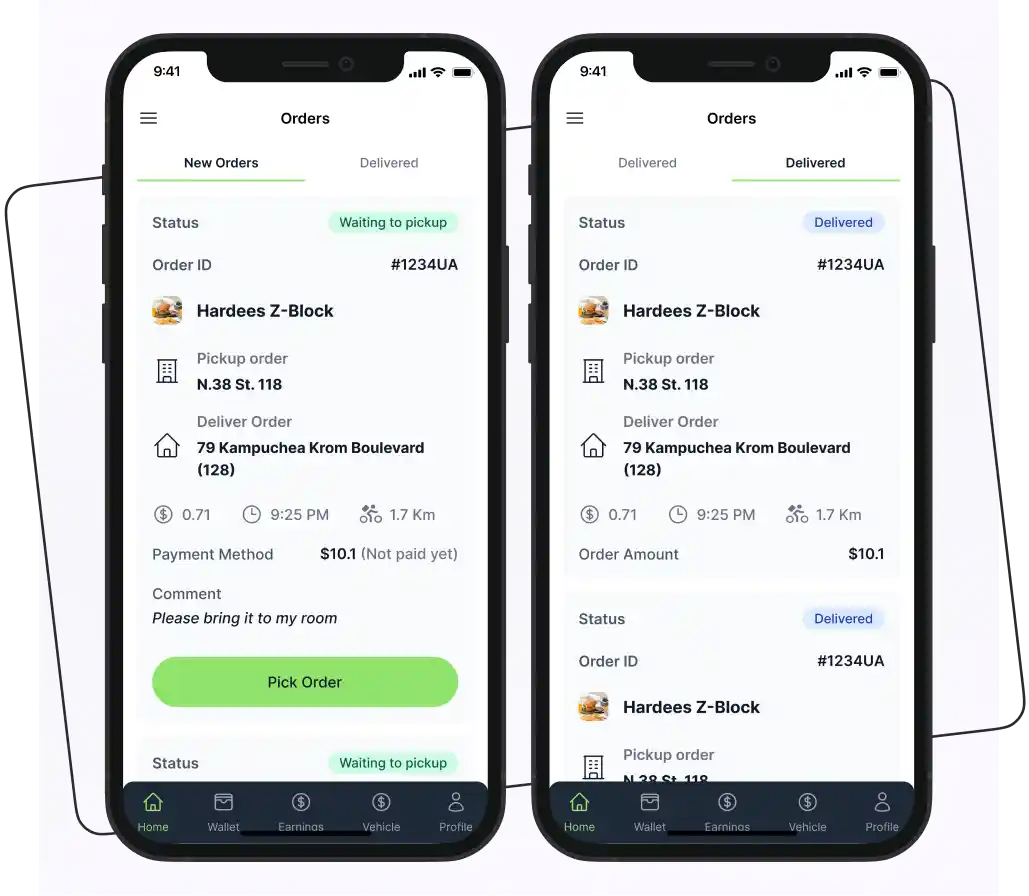
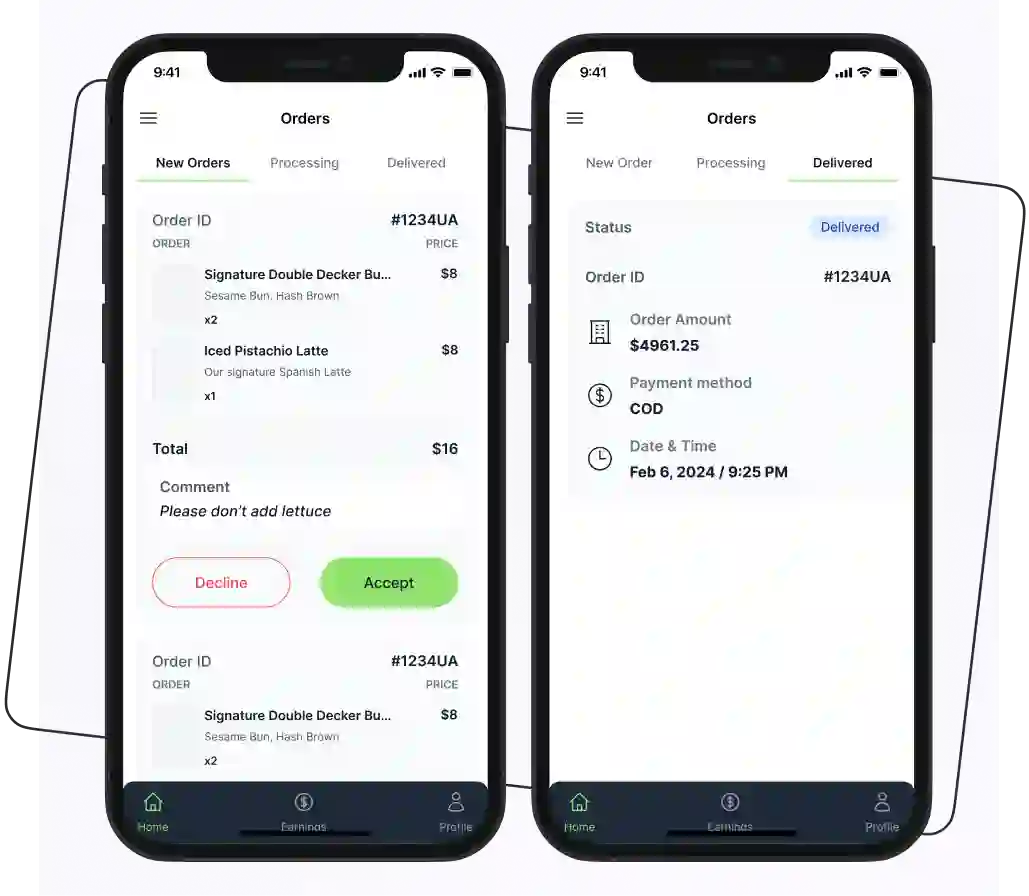
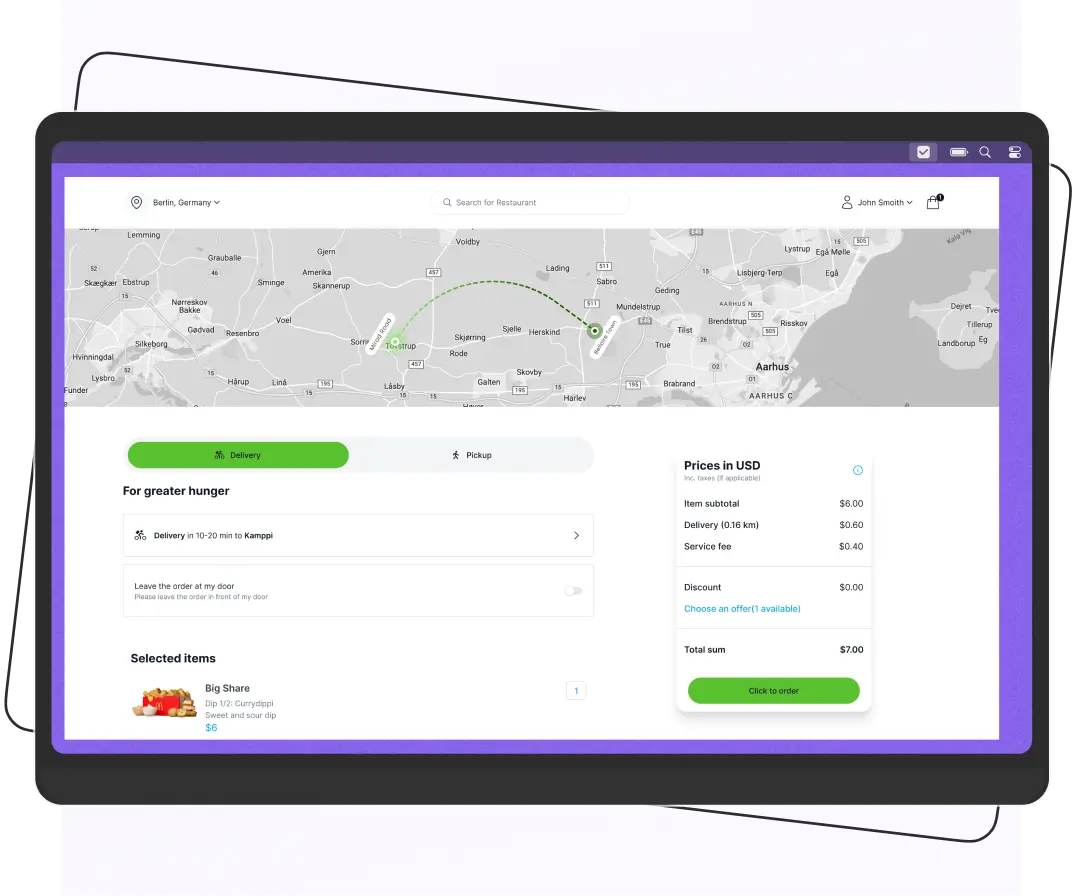
Three different apps that help to make the food delivery operations smooth.
- Customer app
- Restaurant app
- Rider app
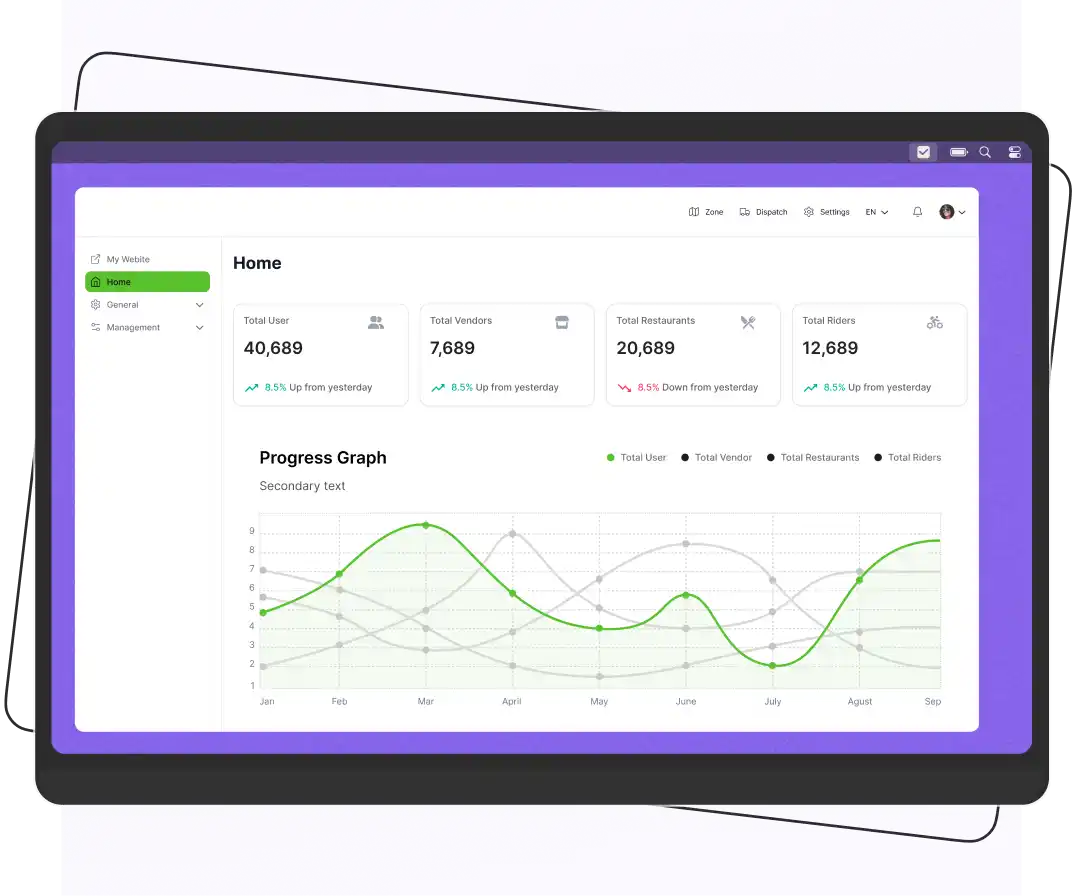
- Admin dashboard
On-Demand Food Delivery Services vs. Traditional Dine-In Restaurants
Look at the table below and understand the differences between on-demand food delivery services vs traditional dine-in restaurants.
| Feature | On-Demand Food Delivery | Traditional Dine-In Restaurant |
| Convenience | Order from home or work | Requires travel and time |
| Speed | Fast, depending on delivery | Slower (ordering, cooking, seating time) |
| Experience | Functional – No ambiance | Immersive – Atmosphere, service, social |
| Cost | Delivery/service/tip fees apply | Menu price only, but dine-in tipping |
| Customer Interaction | Limited (app-based) | Personal and engaging |
| Customization | Available via app | Direct communication with staff |
| Revenue Model | Commission/subscription-based | Food sales, beverages, and tipping |
| Overhead Costs | Lower (no seating space needed) | High (rent, staff, decor, utilities) |
Top 3 Revenue Models of On-Demand Delivery Service
Choosing the right revenue model can boost your sales. It’s essential to evaluate the revenue models you can use for your on-demand delivery services.

Commission-Based Model
In this model, the platform owner charges restaurants a commission for each food item ordered through the delivery platform. When an order is placed, the admin collects the total amount and retains the commission before transferring the remaining funds to the seller.
| Pros | Cons |
| The low upfront cost for restaurants | High commission rates can reduce restaurant profits |
| Easy to scale for platform operators | Dependency on third-party platforms reduces brand control |
| No fixed subscription cost for restaurants |
Advertising Model
Platform administrators can generate revenue by charging restaurants an advertising fee. This allows sellers to promote their business through banner ads displayed on the food delivery platform.
| Pros | Cons |
| Flexible pricing | Expensive for small restaurants |
| No direct impact on restaurant commissions |
Subscription Model
Subscription fees can provide a steady income stream. Restaurant owners pay a monthly or yearly fee to have their businesses listed on the platform.
| Pros | Cons |
| Predictable and stable revenue stream | Not ideal for occasional or one-time users |
| Reduces reliance on commission fees | Restaurants may receive fewer direct orders from non-subscribers |
How Does an On Demand Food Delivery App Work?
The working of the on demand food delivery services is an easy process. Below are some steps that show the proper workflow.
- Customers download the food delivery app on their mobile phones. Then, they register on the app by providing their basic information and start using the app.
- The customer places an order by browsing the menu.
- Add the items to the shopping cart and apply codes and discounts before making the payment.
- The customers select from the multiple payment methods, and then the order is placed.
- The order notification is sent to the restaurant, and the customers also get the notification when the restaurant accepts their order.
- The rider is notified when the restaurant prepares the order.
- The rider picks up the order from the restaurant and delivers it to the customer.
- Using the food app dashboard, the customer can track their orders and view the estimated delivery time.
Supercharge your deliveries with Enatega.
Register NowWhy On-Demand Food Delivery Can Double Your Revenue?
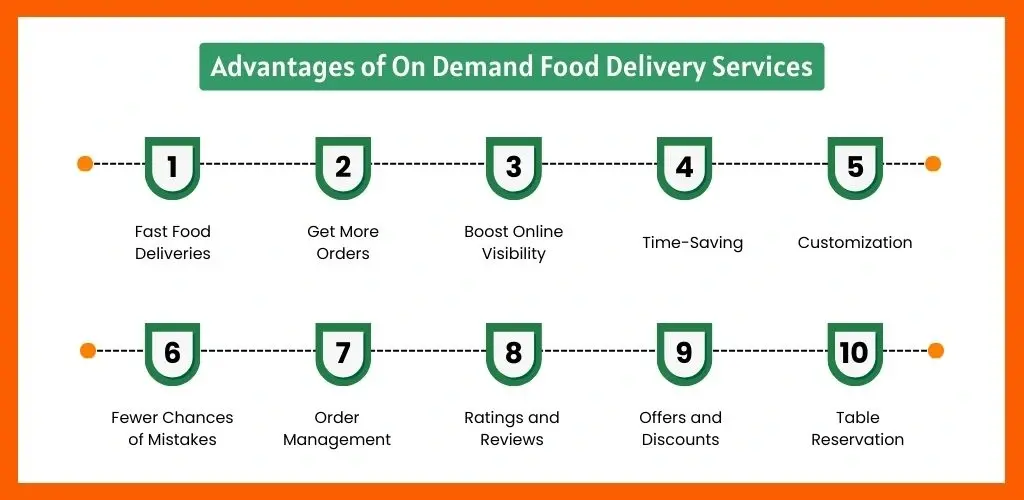
Below are some main advantages that are provided by on-demand food delivery services to their customers and restaurants.
- Fast food deliveries
- Get more orders
- Boost online visibility
- Time-saving
- Customization
- Fewer chances of mistakes
- Order management
- Ratings and reviews
- Offers and discounts
- Table reservation
Fast Food Deliveries
Digital ordering and delivery have grown 300% faster than dine-in traffic since 2014. Due to fast food delivery, consumers prefer to order directly from a restaurant. The restaurants can deliver food faster to their customers with food delivery services.
Get More Orders
70% of customers prefer to order food online and have it delivered to their doorstep. This number is expected to reach 2,656 million by 2026. Restaurants get more orders from customers and can see a significant increase in profits by offering online services.
Boost Online Visibility
By using a food delivery mobile application, restaurants can get more visibility and expand their customer base. Restaurants can gain access to a broader audience, like the famous food delivery apps, such as iFood, DoorDash, etc.
Time-Saving
As food delivery apps gain popularity, people prefer the convenience of ordering food online. They save their time by going out and standing in long queues to get their food.
Customization
The on-demand food delivery system allows customers to customize their orders according to their preferences. For example, if the customer orders a pizza, they can choose their toppings, sauce, crust, and more by simply tapping on their mobile phone.
Minimized Errors
Using food delivery software can help you handle all the operations automatically without hassle. You can keep all the things organized and make your customers happy.
Therefore, integrating the online ordering platform into your business can improve your employees’ productivity and save them from doing the same task again and again.
Order Management
With restaurant order management, restaurants can manage all the order deliveries and provide customers with a better experience. It is the main hub that helps you manage all the essential operations, such as inventory management, order tracking, staff scheduling, table reservation, billing, and reporting.
Ratings and Reviews
Nowadays, people use food ordering apps to order food online. Therefore, a user-friendly app allows customers to place orders and increase user engagement. You also get more positive reviews and ratings.
With positive feedback, you can get more customers, improve your services, and identify the areas of improvement. Also, it helps to boost a restaurant’s reputation and visibility.
Offers and Discounts
It is one of the best advantages for customers to get offers and discounts using the on demand food delivery service apps. According to the report, 40% of customers can save money using food ordering apps.
Moreover, mobile ordering apps give customers the freedom to order from any place at any time without pausing their work and making a call to the restaurant.
Table Reservation
Sometimes, table reservations in a restaurant can be difficult to make by calling the restaurant. However, by using food delivery services, customers can reserve a table quickly. It saves them time waiting in long queues and getting a seat at their favorite restaurant.
Features of On Demand Food Delivery Services
The on demand food delivery app development enables businesses to manage their delivery operations more efficiently. Below are some key features that make the food delivery app successful.
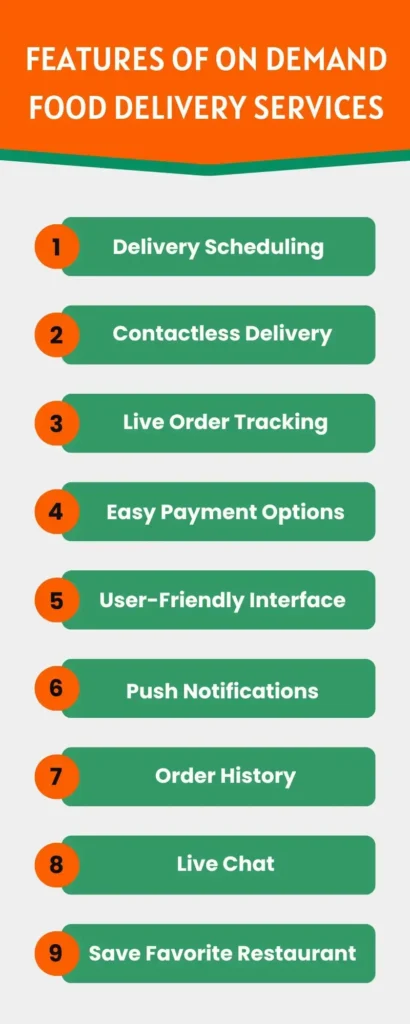
Delivery Scheduling
It is the main feature of on-demand delivery. With this feature, customers can schedule deliveries when and where their order is delivered. They can also set their delivery preferences according to their specific needs. For example, they can choose that their package is left with a neighbor if they are not available.
Contactless Delivery
After the pandemic, contactless deliveries are another main trend in food delivery. To ensure the safety of the customer and rider, add this feature to your app. It builds customer trust and reliability.
Live Order Tracking
Several eateries use this feature for a seamless food delivery process. Customers can track their online food deliveries from the moment of placing an order until it is delivered to their doorstep. By providing this feature, restaurants can build trust and loyalty among customers.
Easy Payment Options
To attract more customers, offer various payment methods such as cash on delivery, credit/debit cards, digital wallets, and more. Make the payment process fast and hassle-free, allowing customers to pay for their orders quickly and easily.
User-Friendly Interface
Create a food delivery app with an intuitive and visually appealing design. The app design should be simple so the user can place an order within a few minutes. All the things like the menu, restaurant listings, and order process should be clear, which saves their time and effort.
Push Notifications
Push notifications to help restaurants provide alerts for new deals and promotions, when there is a new change in the order, and more. They can also receive information about their order’s projected delivery time.
Moreover, this feature keeps customers updated on all the activities and reduces confusion and frustration. It helps restaurants keep their customers engaged by sending them special offers via push notifications.
Order History
Adding an order history feature in the on demand delivery platform allows customers to view the list of all past orders with complete details. This feature saves customers time by allowing them to reorder the same dishes in the future.
Live Chat
Want to provide top-notch service to your clients? Integrate the live chat feature. It allows customers to communicate with the restaurant and get instant replies to their queries. This feature can help boost customer happiness and decrease the chances of confusion.
Save Favorite Restaurant
It is the best and most useful feature for customers, as it allows them to save their favorite restaurants and food items that they can access in the future. Plus, users can add or remove from the list according to their choice.
Trends in On Demand Food Delivery Industry
The on-demand food delivery industry has seen significant trends in recent years. Here are some key developments.
| Trends | Description |
| Healthier Options | Customers are looking for healthier meal choices. Many delivery services are now offering organic, vegan, and low-calorie options. |
| Ghost Kitchens | These are kitchen spaces that cook food only for delivery. They help reduce costs and can quickly adapt to changing food trends. |
| Subscription Services | Some delivery platforms are offering subscription models where customers pay a monthly fee for discounts or free delivery. |
| Technology Integration | Advanced technology, like AI and machine learning, is being used for better customer experiences, such as personalized recommendations and efficient delivery routing. |
| Integration with Grocery Services | Many food delivery apps are expanding to include grocery deliveries, making it easier for customers to get everything they need in one place. |
4 Best On Demand Food Delivery Services
Here is a list of the best on demand food delivery services that you can use for ordering food online from your favorite restaurants.
| Platform | Best For | Delivery Fee Range | Service Fee | Subscription Option |
| Uber Eats | Fastest delivery and suburban reach | $1.99 – $8.99 | 10% – 15% of the subtotal | Uber One – $9.99/month |
| Grubhub | Rewards and deals seekers | $1.99 – $7.99 | 5% – 15% of the subtotal | Grubhub+ – $9.99/month |
| DoorDash | Local restaurant variety | $1.99 – $5.99+ | 10% – 15%, min $1 | DashPass – $9.99/month |
| Caviar | Exclusive, high-end restaurants | Varies | Varies | $9.99/month |
1. Uber Eats
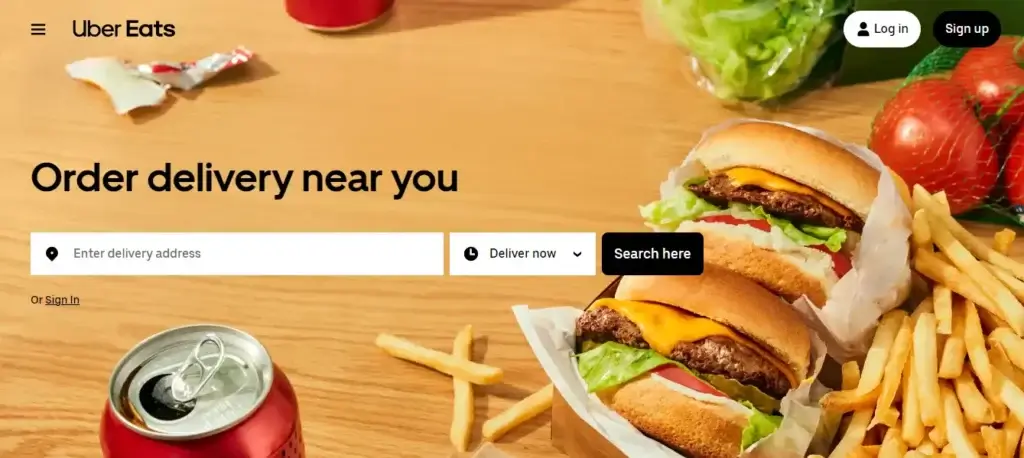
Uber Eats is the best option for those who need the fastest delivery. From Uber Eats, you can order food, groceries, and pharmacy items. Also, the app has over 80 food categories, including halal and gluten-free options.
Uber Eats has hundreds of restaurants to choose from. Whether you’re in the mood to eat Italian, Chinese, fast food, or any other food, all options are available.
The most unique feature of Uber Eats is that it delivers food to suburban areas. However, you might have to pay more if you live in a suburban area.
Uber Eats Features
- Delivery tracking
- Advanced search filters
- Schedule orders
- Customization
- Deals and promotions
- Push notifications
Uber Eats Pricing
The table below shows how Uber Eats prices its services and additional fees that may apply.
| Pricing Component | Details |
| Delivery Fee | Typically $1.99 to $8.99, depending on location and distance. |
| Service Fee | Usually 10%-15% of the total order cost. |
| Small Order Fee | Applies if the total order is below $10 or $15 (varies by location). |
| Surge Pricing | This may apply during busy times or in high-demand areas. Increases delivery fees. |
| Tips | Optional. Recommended 10%-20% of the order, but customers can choose any amount. |
| Uber One Subscription | $9.99/month for free delivery on orders over $15, discounts on service fees, and priority support. |
| Minimum Order Requirement | Some restaurants may set a minimum order value (typically $10 or $15). |
2. Grubhub
Grubhub is another well-known food ordering and delivery platform that has a wide range of restaurants. Like all food apps, Grubhub helps customers find restaurants that offer deals and rewards. Grubhub, an international food delivery service, is available in 4,000 cities in the US and Canada.
Using the Grubhub app, customers easily find new restaurants in their area and get the best food on time. Order delivery or takeout from national chains and local favorites is all possible with Grubhub.
Grubhub Features
- Offer rewards
- Transparent pricing
- Alerts/notifications
- Order customization
- Browse restaurants and menus
- Feedback and reviews
Grubhub Pricing
Below is a Grubhub pricing structure.
| Pricing Component | Details |
| Delivery Fee | Typically ranges from $1.99 to $7.99, depending on location, distance, and demand. |
| Service Fee | Usually around 5%-15% of the order subtotal, with variations based on location. |
| Small Order Fee | Applied if the order is below a minimum threshold (e.g., $10 or $12). |
| Tips | Optional, but generally 10%-20% of the order total. Can be adjusted during checkout. |
| Grubhub+ Subscription | $9.99/month for free delivery on eligible orders (over $12) and other benefits. |
| Minimum Order Requirement | Some restaurants may have a minimum order requirement, often between $10 and $15. |
3. DoorDash
Is DoorDash an on-demand service?
DoorDash is one of the most popular apps in the USA that has over 390,000 restaurants. It allows customers to order beauty products, pet supplies, beverages, food, and groceries. DoorDash is the best option for those who search for local restaurants near their area.
Several DoorDash alternatives are available, but the original app offers advanced features that make it the best among its competitors.
DoorDash Features
- Extensive restaurant selection
- DashPass subscription
- Contactless delivery
- Group ordering
- Delivery of groceries, pet supplies, household items, and more
- 24/7 customer support
DoorDash Pricing
The DoorDash pricing is given below.
| Pricing Component | Details |
| Delivery Fee | Varies from $1.99 to $5.99 (or more), based on distance, restaurant, and demand. |
| Service Fee | Usually 10%-15% of the subtotal; minimum $1 charge, with a maximum cap applied in some locations. |
| Small Order Fee | $2-$3 fee for orders under a minimum subtotal (e.g., $10-$12). |
| Tips | Optional but encouraged; usually 10%-20% of the order total. |
| DashPass Subscription | $9.99/month for free delivery and reduced service fees on eligible orders over $12. |
| Minimum Order Requirement | Some restaurants require a minimum order value, typically $10 or more. |
4. Caviar
Caviar is a highly recommended food delivery service that fulfills customer requests on time. With a Caviar app, customers get a list of local restaurants right at their fingertips. The company has built a strong relationship partnering with food businesses, so most of them are available only on Caviar.
The Caviar app’s unique feature is that it offers the first delivery free of cost. Therefore, customers can enjoy quality dining at home without paying extra.
Caviar Features
- Exclusive promotions
- Dedicated customer support
- Customizable orders
- Pick-up option
- High-quality food photography
Caviar Pricing
Caviar, a food delivery service, offers a monthly subscription for $9.99 that can be canceled at any time. Along with the subscription fee, restaurants may impose additional charges per order, including bag fees, staff fees, and other related costs.
Factors to Consider When Choosing a Delivery Service for Your Business
Choosing the right delivery service is important for your business’s success. Here are the main factors to consider.
1. Delivery Speed
Fast delivery is the main factor in customer satisfaction. Check how long it takes the service to deliver orders. Some services specialize in same-day or even one-hour delivery, and others may take longer. Faster deliveries can give your business a competitive edge.
2. Coverage Area
Make sure the delivery service covers all the locations where your customers are. If your customers are spread out, you need a service that can reach both nearby and distant areas reliably. Limited coverage can hurt sales and customer experience.
3. Cost and Fees
Delivery services charge in different ways: per order, a percentage of the sale, or a monthly subscription. Compare costs and ensure they fit your budget without cutting into your profits. Don’t forget to consider hidden fees like fuel surcharges or peak-time charges.
4. Reliability and Accuracy
Choose a service that consistently delivers orders correctly and on time. Late deliveries, lost items, or damaged products can harm your brand reputation and customer trust.
5. Customer Support
Even with the best service, issues may arise. Make sure the delivery company provides responsive support to resolve problems quickly.
6. Reputation and Reviews
Research the service’s reputation. Look for reviews and ratings from other businesses to understand their reliability, professionalism, and customer satisfaction. A well-reviewed delivery partner is often more trustworthy and dependable.
FAQs
DoorDash, Instacart, Walmart, Uber Eats, Lyft, and FreshDirect are a few examples of on-demand delivery apps.
The on-demand delivery software allows businesses to receive orders online and deliver products.
Common problems with on demand delivery include:
High operational costs
Managing a large fleet of drivers or riders
Fluctuating demand during peak hours
Dependency on technology infrastructure
Below is a list of on demand delivery companies in the US.
DHL Group
FedEx
Amazon
Instacart
Parcel Monkey
On-demand grocery delivery works by allowing customers to order groceries through a mobile app or website.
Here is a step-by-step process.
Ordering: Customers browse an online catalog, select items, and place their order.
Picking: Personal shoppers or store employees gather the ordered items from the grocery store.
Delivery: A delivery driver picks up the groceries and delivers them to the customer’s specified address, often within a few hours.
Payment: Customers pay online, and they may also tip the delivery driver through the app.
The most used food delivery app varies by region, but globally, Uber Eats is often cited as one of the leading platforms, along with DoorDash and Grubhub in the United States. In other countries, apps like Deliveroo and Just Eat are also popular.
The highest-paying food delivery app can vary by region and market conditions, but apps like DoorDash and Uber Eats often lead in earnings for drivers, especially with tips and bonuses.
The best alternative to DoorDash is Uber Eats, known for its wide selection of restaurants and user-friendly interface. Other strong contenders include Grubhub and Postmates.
Yes, DoorDash is an on-demand service that allows customers to order food and have it delivered quickly from local restaurants.
The most successful food delivery app is often considered to be DoorDash, particularly in the United States, due to its large market share and extensive restaurant partnerships. Other notable contenders include Uber Eats and Grubhub.
DoorDash is often cited as paying drivers the most on average when combining base pay, tips, and bonuses. However, actual earnings vary by city, peak hours, and incentives.
Supercharge your deliveries with Enatega.
Register NowConclusion
The on demand food delivery services are changing the way customers order food and the restaurants run their business. They are essential in the food delivery industry and provide a convenient experience to customers and restaurants.
With the growing demand for technology, creating food delivery apps is a sign of a bright future for your restaurant business.
You can schedule a call with us to discuss your requirements and get the best on-demand food delivery app.
About the author

Hudaibia Khalid is a senior content writer with several years of experience in creating clear and easy-to-understand content. Over the years, she has worked closely with startups, restaurants, and entrepreneurs, helping them simplify complex digital and technical topics into actionable insights.
Her expertise lies in writing about on-demand platforms, food delivery solutions, and business growth strategies in a way that is accessible even to non-technical readers. With her experience in the industry, she focuses on guiding businesses step by step, from understanding ideas to turning them into fully working solutions.
SHARE






 IOS
IOS Android
 Web
Web