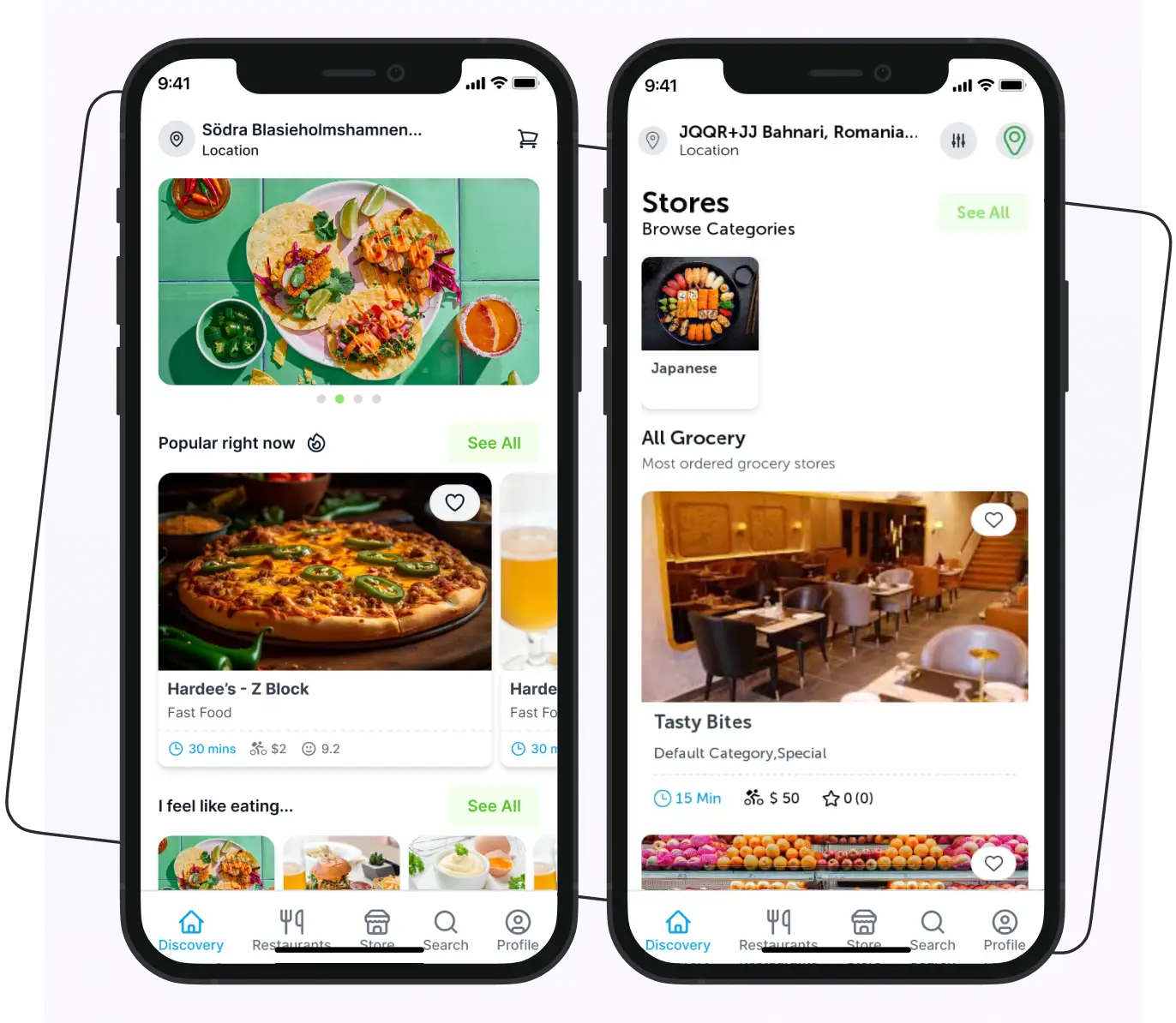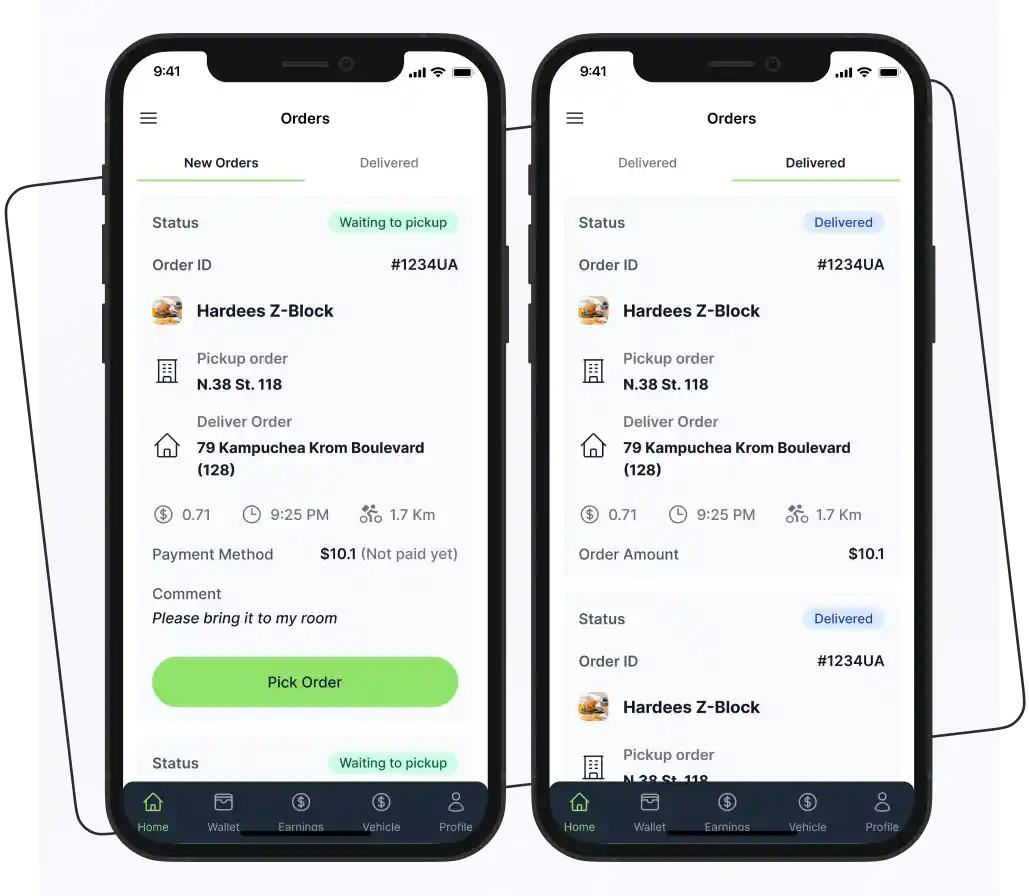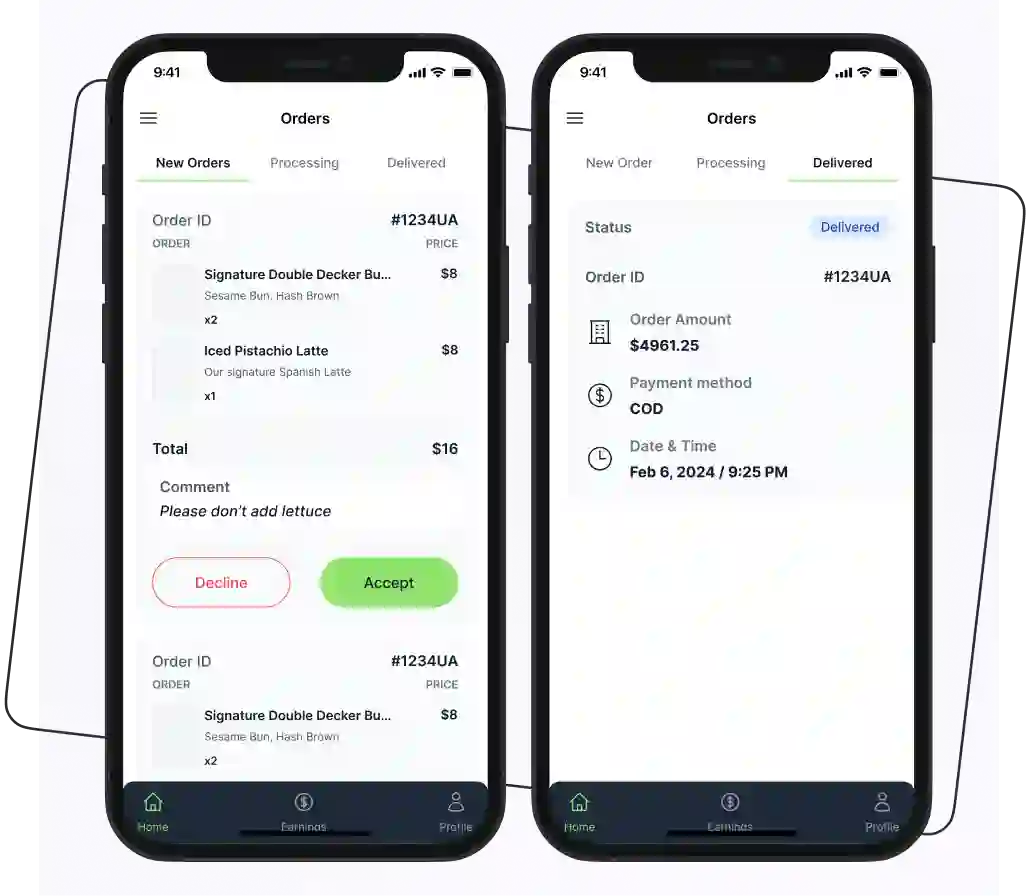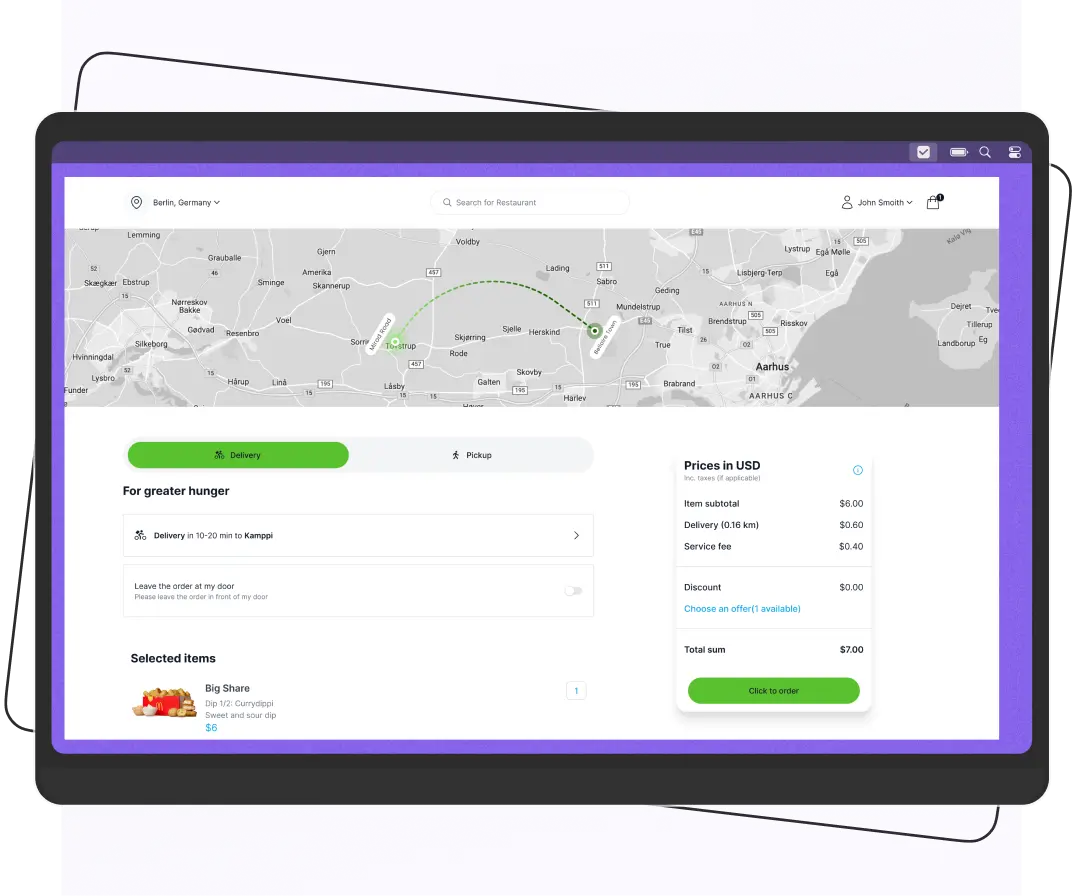


To build a Zepto clone app, start with research, choose a quick-commerce business model, define customer, store, rider, and admin features, select your technology stack, and develop and test the platform. A basic grocery delivery app may cost $10,000–$50,000+, depending on its features, platforms, and development team.
Quick-commerce apps like Zepto, Blinkit, and Swiggy Instamart have changed how people buy groceries, with many orders arriving in about 10 to 30 minutes depending on the city and store. Building a similar app is realistic. Matching that speed depends on more than software.
If you’ve ever dreamed of launching your very own grocery delivery service, you’re in the right place! With the success of services like Zepto, now is the perfect time to bring your vision to life.
This blog will guide you through everything you need to know, from understanding what such a service is about to figuring out the budget required to develop an amazing app.
What is a Zepto App?
Zepto is an Indian grocery delivery service that was founded in July 2021 by Aadit Palicha and Kaivalya Vohra. It enables customers to order groceries, fresh produce, personal care products, and other everyday essentials through its app for delivery to their homes.
It operates a network of over 1,000 dark stores, providing 10-minute quick-commerce grocery and essentials delivery across major cities including Mumbai, Delhi NCR, Bengaluru, Hyderabad, Chennai, Pune, Kolkata, and others.
Unlike a traditional grocery marketplace that may rely on independent retailers to fulfill orders, Zepto’s quick-commerce model relies heavily on strategically located dark stores. These facilities hold inventory close to the customers they serve, helping reduce the distance between order placement and delivery.
Supercharge your deliveries with Enatega.
Launch NowWhat Makes Zepto Different?
Zepto’s quick-commerce model combines convenient online ordering with localized inventory and coordinated delivery operations. Several elements are important to understand when building a similar platform.
Dark-store network
Dark stores function as fulfillment locations rather than conventional customer-facing supermarkets. Keeping popular products close to delivery areas can reduce fulfillment and travel times.
Inventory management
Accurate stock information helps prevent customers from ordering unavailable products. A quick-commerce platform needs timely inventory updates as orders are placed, picked, canceled, or replenished.
Order fulfillment
Once an order is placed, the system needs to identify a suitable fulfillment location, organize picking and packing, and prepare the order for dispatch.
Zepto Business Model
Zepto operates in the quick-commerce market, where customers order groceries and everyday essentials online and receive them through a localized fulfillment and delivery network.
Its business model combines digital ordering, inventory management, dark-store operations, and last-mile delivery.
If you’re planning to build a Zepto clone app, understanding these components will help you decide how your platform will fulfill orders, generate revenue, and manage operating costs.
1. Operational Model
Zepto’s quick-commerce approach relies heavily on dark stores located close to the customers they serve. These facilities hold products for online orders and help manage picking, packing, and dispatch.
A similar platform can follow one of three approaches:
- Dark-store model: Operate your own fulfillment locations and manage inventory directly.
- Retailer-partner model: Connect customers with existing grocery stores that fulfill orders.
- Hybrid model: Use dedicated fulfillment locations for high-demand products and partner retailers for other items.
2. Revenue Model
A grocery delivery business like Zepto can generate revenue through several channels. The right combination depends on its fulfillment model, supplier agreements, and customer demand.
Product margins: Businesses that purchase inventory and resell products can earn revenue from the difference between their selling prices and product costs.
Delivery and service fees: A platform may charge customers delivery or service fees, depending on its pricing policy, order value, promotions, and location.
Retailer commissions: A marketplace that connects independent grocery stores with customers may earn a commission on qualifying orders, based on its agreements with participating retailers. Commission rates should be set according to the business model rather than assumed to match Zepto’s.
Advertising and brand promotions: Grocery brands and suppliers may pay for sponsored placements, promotional campaigns, or increased product visibility within the app.
Membership plans: A business may introduce a paid membership offering benefits such as eligible delivery discounts or exclusive promotions. Its viability depends on repeat purchases and the cost of providing those benefits.
3. Marketing Strategy
A quick-commerce platform needs to attract first-time customers and encourage repeat orders while keeping customer acquisition costs under control.
Consider these marketing activities when launching your own grocery delivery app:
- Local promotions: Introduce the service in selected neighborhoods with clearly defined introductory offers.
- Referral programs: Reward customers for referring new users, and monitor the cost of each acquired customer.
- Social media marketing: Promote available products, seasonal offers, and service-area launches.
- Retention campaigns: Use relevant notifications and personalized offers to encourage repeat purchases.
- Brand partnerships: Work with grocery suppliers and consumer brands on promotions that fit your audience.
Promotional offers should be evaluated against order profitability. Discounts and free-delivery campaigns may attract customers, but they can also increase losses if the cost of fulfilling orders exceeds the revenue generated.
4. Funding and Operating Costs
Funding is different from revenue. A company may raise capital through equity investment or other financing arrangements to expand its operations. However, those funds are not sales revenue from grocery orders.
For a new quick-commerce business, major cost categories can include:
- Software development
- Inventory procurement
- Warehouse or dark-store rent
- Staffing
- Rider operations
- Packaging
- Payment processing
- Marketing
- Ongoing technology maintenance
Before launching, estimate both the initial investment and the recurring cost of fulfilling each order. This will help you decide which delivery areas, product categories, and business model are financially practical.
What is a Zepto Clone App?
A Zepto clone script is a pre-built software that allows you to quickly launch your online grocery delivery app with features similar to Zepto. It enables customers to order groceries and receive them within a short time frame.
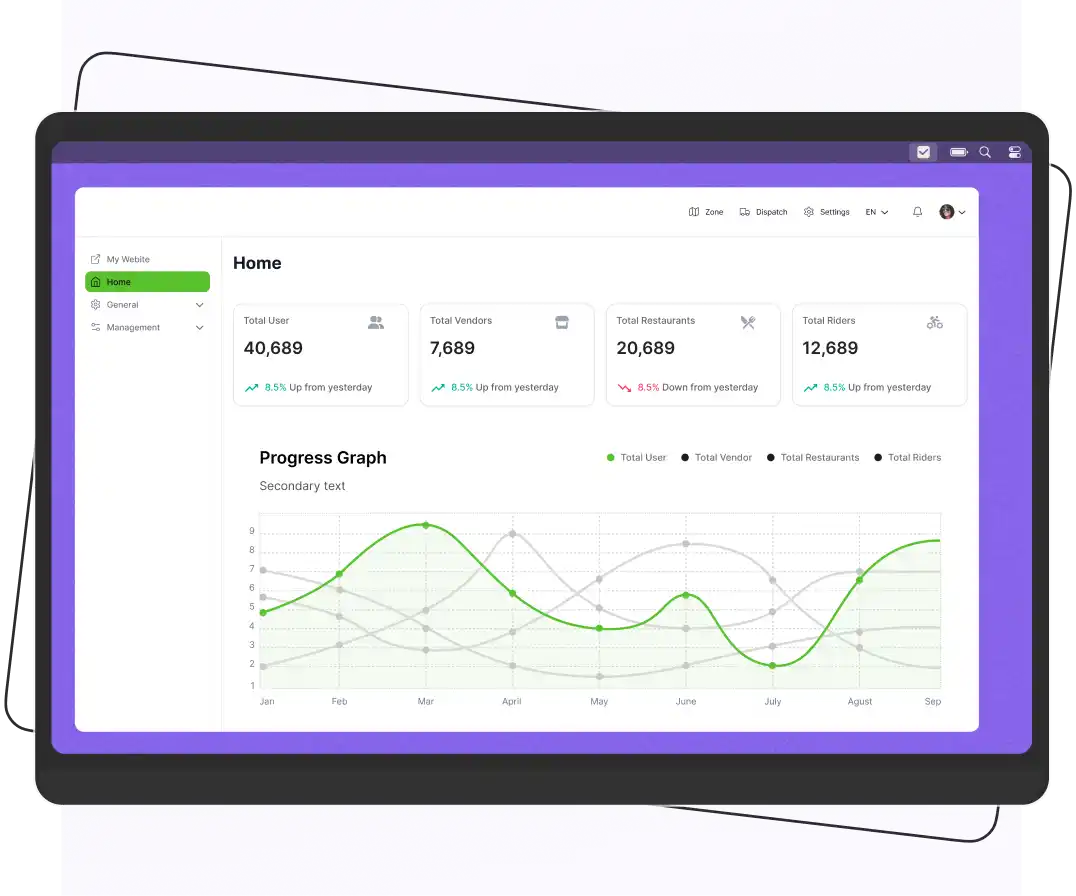
This ready-to-use solution contains a customer app, a grocery store app, a rider app, and an admin panel with the ability to customize branding and features to fit your business needs.
Using a grocery delivery app clone, you can easily manage deliveries for a wide range of products, from fresh groceries to essential kitchen appliances.
What Does a Zepto Clone App Not Include Automatically?
Purchasing grocery delivery software does not automatically establish a functioning quick-commerce business. You may still need to arrange:
- Dark stores or agreements with participating grocery retailers.
- Inventory procurement, storage, and replenishment.
- Delivery riders, staffing, and dispatch procedures.
- Payment gateway accounts and third-party service integrations.
- Hosting, security, maintenance, and ongoing technical support.
A clone app can provide the digital infrastructure for managing orders, but delivery speed depends on the physical fulfillment network and the efficiency of its operations.
Zepto Clone vs. Zepto
Look at the table below and understand the main differences between the Zepto clone and the Zepto app.
| Feature / Aspect | Zepto (Original App) | Zepto Clone App |
| Ownership | Founded by Aadit Palicha and Kaivalya Vohra in 2021, an established quick-commerce company in India. | Owned by any entrepreneur or business using a pre-built “clone” software to launch their own delivery platform. |
| Business Model | Real-world grocery delivery company operating dark stores and logistics networks. | Software/app solution mimicking Zepto’s features but operated by a different company or individual. |
| Operations | Runs its own warehouses (dark stores), delivery fleet, and supply chain. | Does not own warehouses by default; it depends on the buyer’s business setup (they must arrange logistics). |
| Brand Recognition | Well-known brand in India’s quick-commerce market with a significant customer base. | New or emerging brand. Brand recognition depends on the entrepreneur’s marketing efforts. |
| Revenue Model | Primarily product margins on inventory it owns, plus delivery/handling fees, advertising, and membership offerings. | Set by the app owner: product margins, delivery fees, retailer commissions, ads, or subscriptions. |
| Launch Time | Already operational and established. | Faster launch. You can go live quickly because the app is pre-built. |
| Customization | Limited. Zepto has a fixed UI/UX for its customers. | Highly customizable. Branding, features, and UI/UX can be tailored to your own business needs. |
| Geographical Presence | 30+ Indian cities (as of 2025) with strong infrastructure. | Wherever the entrepreneur chooses to operate, it could be local, regional, or global. |
Why Choose a Zepto Clone App?
A ready-made Zepto clone app can help businesses launch a grocery delivery platform without developing every component from scratch. However, its suitability depends on your budget, business model, customization needs, and fulfillment operations.
Below are the advantages of building a grocery delivery app like Zepto.
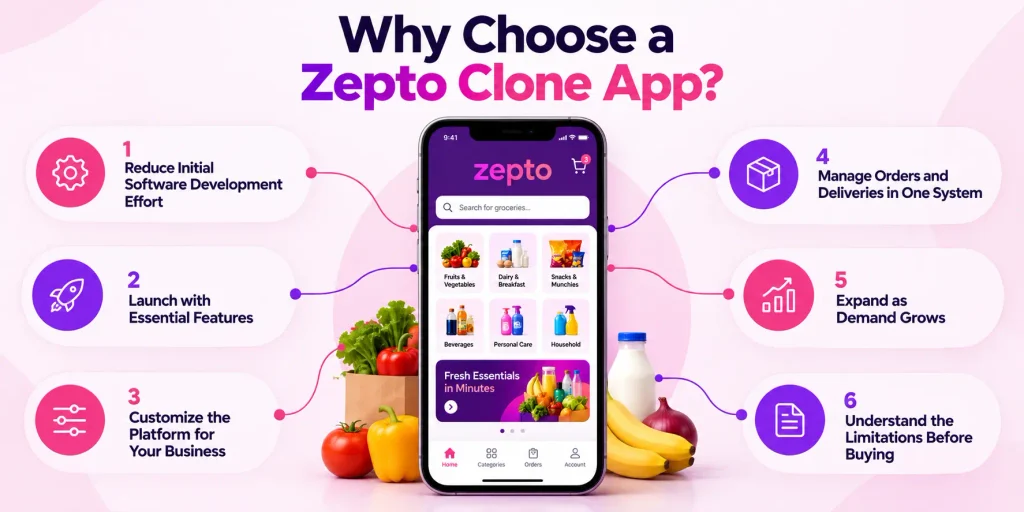
1. Reduce Initial Software Development Effort
A ready-made solution provides core components such as customer ordering, store management, delivery tracking, and an admin panel. Your development team can focus on configuring and extending these features rather than building every component from the beginning.
2. Launch with Essential Features
A grocery delivery platform needs more than a product catalog and checkout. It also requires:
- Inventory updates
- Order management
- Payment processing
- Delivery coordination
A suitable clone solution can provide these functions, allowing you to prioritize the features needed for your initial launch. Test the complete ordering and fulfillment workflow before accepting real orders.
3. Customize the Platform for Your Business
You can adapt a suitable solution to your target market by configuring branding, product categories, delivery zones, pricing rules, payment methods, and supported languages.
Before purchasing, verify which changes are supported out of the box and which require additional development. Customization rights also depend on the software licence and contract.
4. Manage Orders and Deliveries in One System
A connected customer app, store interface, rider app, and admin panel can coordinate ordering and fulfillment.
For example, when a customer places an order, the system can make it available for store processing, update its status, and coordinate delivery assignment. The exact workflow depends on the platform’s features and integrations.
5. Expand as Demand Grows
A quick-commerce business may start in one neighborhood and expand to additional delivery zones as demand grows. Suitable software can support this expansion through capabilities such as:
- Multi-store management
- Configurable delivery zones
- Centralized reporting
- Inventory controls
However, software scalability alone does not guarantee profitable growth. Additional locations require sufficient inventory, staffing, delivery capacity, and demand.
6. Understand the Limitations Before Buying
Ready-made software is not the right choice for every business. A solution may lack specialized features, require paid customization, or impose restrictions through its licence. You also need to evaluate its security, performance, documentation, maintenance, and integration capabilities.
A clone app does not automatically provide dark stores, grocery inventory, delivery riders, or a guarantee of 10-minute deliveries. These operational requirements must be planned separately.
Start a 10-Minute Grocery Delivery Business Like Zepto
Below are some steps to help you launch a business like Zepto.

1. Research the Market
First, you have to conduct thorough research. Understand what your competitors are doing and identify gaps in the market. Know your target market’s needs and preferences. This will help you position your service effectively.
Next, decide how your business will fulfill orders:
- Dark-store model: Operate dedicated fulfillment locations and manage inventory yourself.
- Retailer-partner model: Allow participating grocery stores to fulfill customer orders.
- Hybrid model: Combine dedicated inventory with partner retailers.
Your operating model determines the software features, staffing, and delivery infrastructure you need.
2. Define Your Unique Selling Proposition (USP)
In this step, you have to identify what will make your service stand out. Whether it’s faster delivery times, better pricing, or a wider range of products. Defining your USP is important because it allows you to identify what sets your app apart from competitors. Plus, it enables you to effectively attract customers and stand out in a crowded market.
Avoid promising 10-minute delivery until you have tested that your store locations, inventory, staffing, and delivery capacity can support it consistently.
3. Plan Your Budget
Budgeting is key to any successful business. It provides a structured framework for managing finances and allocating resources effectively.
Choose between ready-made software, customization of an existing platform, and fully custom development.
A ready-made solution may reduce the initial software development effort if it already supports your essential workflows. Custom development provides greater control but requires more time and resources to build, test, and maintain.
Your budget should cover both software and business operations, including:
- UI/UX design and development.
- Backend services and third-party integrations.
- Testing, deployment, and app-store publishing.
- Hosting, security, maintenance, and technical support.
- Inventory, fulfillment locations, packaging, and staffing.
- Rider operations, customer acquisition, and ongoing promotions.
Request a detailed estimate based on your actual requirements instead of relying on a single generic development-cost figure.
4. Select the App Features
The first step in creating a clone app is to closely examine the features of the original app. Decide which features to replicate and which ones to improve, so your clone offers something unique.
Include the essential functions at the start. Once you have a solid foundation, you can go back and add more advanced features to your app to keep people interested.
Here are some features to include in your grocery delivery clone app.
Customer App
- Advanced and voice search
- Real-time order tracking
- Live chat with the rider
- Multiple payment options and in-app wallet
- Scheduled delivery
- Rewards and coupon codes
- Multilingual support
- Feedback and ratings
- Customer support
Grocery Store App
- Inventory management
- Order management
- Customizable notifications
- Pick-up proof
- Daily earnings report
Rider App
- Accept or reject delivery requests
- Route optimization
- Delivery history
- Earnings report
- Pick-up and delivery confirmation
Admin Panel
- Customer management
- Store management
- Payment management
- Rider and account management
- Reports and analytics
5. Choose the Right Technology
A reliable and user-friendly app is essential. When choosing the technology, you can consider things like your business goals, budget, and scalability. You can also think about how the technology will integrate with your existing systems.
Here are some tips to help you choose the right tech stack for your clone app.
- You have to know your business needs and goals.
- Choose the technology that fits within your budget.
- Make sure the technology you choose can handle increased user and data demands.
- Keep in mind how much the technology will cost and how long it will take to develop.
A possible technology stack for a quick-commerce platform includes:
| Component | Example technologies | Purpose |
| Mobile applications | React Native or Flutter | Build customer and rider apps for iOS and Android |
| Web applications | React | Develop store interfaces and the admin dashboard |
| Backend | Node.js with Express or another suitable framework | Handle business logic, orders, users, and integrations |
| Database | PostgreSQL or MongoDB | Store application data according to your data model |
| APIs | REST or GraphQL | Connect applications with backend services |
| Payments | A suitable payment gateway | Process payments, refunds, and transaction records |
| Maps and navigation | Google Maps Platform or an alternative | Support location services and route planning |
| Notifications | Firebase Cloud Messaging or another provider | Send order updates and delivery notifications |
| Monitoring | Application monitoring and error-reporting tools | Identify failures and performance issues |
These are technology options, not a requirement to use every tool listed. Your developer should select a compatible stack and define how authentication, authorization, inventory updates, payment events, and order status changes will be handled securely.
6. Start the Zepto Clone App Development
In this phase, you have to do these four things:
Design an Interface: Design an app interface that is user-friendly for both delivery staff and customers. To improve the user experience, pay attention to ease of use and clarity.
Frontend Development: Select a frontend framework (like React, Vue, or Angular) for building the user interface. Convert your visual designs into code using HTML, CSS, and JavaScript. Ensure the app works well on different devices (mobile, tablet, desktop).
Backend Development: Choose a backend technology (like Node.js, Django, or Ruby on Rails) and set up a server. Create a database schema to store user data, orders, and delivery information. Build RESTful APIs to handle requests between the front end and back end.
Testing: Test the entire order lifecycle, from browsing products to successful delivery. Check both individual features and how the applications work together.
7. Launch and Market Your Service
Publish the applications after completing the required platform reviews and operational checks. Start with a manageable delivery area and ensure that inventory, store staff, customer support, and riders are ready to handle orders.
Once your app is ready, it’s time to promote it. Use social media platforms to share updates and engage with potential users. Consider local advertising, like flyers or community events, to reach more people. Partnering with local businesses can also help you connect with your target audience.
How Much Does it Cost to Build a Zepto Clone App?
The cost to build a Zepto clone app ranges from $10,000 to $50,000+ for a basic version, depending on the features, development approach, technology stack, and team location. This estimate covers software development only and excludes dark-store setup, inventory, delivery staff, and ongoing operational expenses.
The cost of developing a grocery app like Zepto depends on various factors, such as:
- Features you want to include
- Basic features cost less than advanced features.
- Geographical location of your development team. For example:
- North America: High cost
- Western Europe: Moderate to high cost
- Eastern Europe: Moderate cost
- Asia (India, etc.): Lower cost
- The platform you want to launch your app on
- iOS, Android, or Web App. Each platform has its development costs, with cross-platform solutions often being more economical.
- Completion timeline of your app
- A tighter timeline may require more developers or overtime, increasing costs.
Estimated Cost and Timeline by App Component
| App Component | Estimated Cost (USD) | Estimated Development Time |
| Customer App (iOS and Android) | 4,000–15,000 | 4–8 weeks |
| Rider App | 2,000–8,000 | 3–5 weeks |
| Store/Vendor App or Web Panel | 2,000–8,000 | 3–5 weeks |
| Admin Dashboard | 2,000–10,000 | 3–6 weeks |
| Third-Party Integrations (Payments, Maps, SMS, Push Notifications) | 1,000–5,000 | 2–3 weeks |
| Testing and Deployment | 1,000–4,000 | 2–3 weeks |
How to Estimate Your Project Budget
Before choosing a software provider, you have to define:
- The number of applications
- Required features
- Expected order volume
- Delivery model
- Integrations
Ask vendors to specify which deliverables are included in their quotations and which services incur additional charges.
Compare the total cost of ownership rather than the initial software price alone. A lower upfront price may not represent better value if essential features, customization, maintenance, or technical support cost extra.
For a business planning to offer rapid grocery delivery, budget separately for the software platform and the physical operations needed to fulfill orders reliably.
Build a Quick-Commerce Business That Stands Out
Launching a Zepto clone app is only the starting point. To attract customers and earn repeat orders, give them a clear reason to choose your service over existing delivery apps.
Consider these ways to differentiate your business:
- Target a specific niche
Focus on organic groceries, pharmacy essentials, pet supplies, or regional products that larger platforms may not serve well.
- Own a local market
Start in neighborhoods where customers face limited product availability, high delivery fees, or unreliable delivery times.
- Make delivery more cost-effective
Optimize rider routes and group compatible orders where delivery windows allow. Avoid promising faster delivery if batching could delay orders.
- Serve local communities better
Offer local-language support, stock region-specific products, and build relationships with nearby suppliers.
- Reward repeat customers
Introduce loyalty points, referral offers, or personalized promotions based on purchasing behavior.
Use clone software as your technical foundation, then build your competitive advantage around customer experience, product selection, and reliable fulfillment. The goal is not to copy Zepto feature for feature. It is to solve a specific customer problem better than the alternatives.
What Real Delivery Projects Teach Us About Building a Grocery App
A delivery app can look perfect in a demo and still struggle once real orders arrive. Stock availability, order preparation, rider assignment, and delivery coordination all have to work together.
Enatega has deployed 200+ delivery platforms since 2019. These projects offer valuable insights into building scalable delivery software and creating smooth experiences for customers, vendors, and riders. The same foundations can help businesses planning a Zepto-style quick-commerce app build a platform ready to support their growth.
1. Platform Costs Decide Profitability
Yalla Delivery reached 60,000 active users in its first year. Founder Rami Abu Reesh says: “I was paying a percentage of every order to our old platform. Switching to Enatega paid for itself within the first two months.” Whatever you build, calculate your cost per order before you scale.
2. Low Fees Attract Partners but Strain Margins
Snap Delivered onboarded over 100 stores by charging businesses a flat $2 per delivery. The flat rate put pressure on profitability. If you promise cheap delivery, make sure your costs per order stay below the fee.
3. Commission Savings Add Up
Borku reports saving $100,000 USD in commissions by running its own platform. For a grocery app with thin margins, this is the cost line to watch.
Before expanding to a second neighborhood, test how your app handles unavailable products, order cancellations, peak-hour demand, and delayed deliveries.
You can explore Enatega’s customer, store, rider, and admin apps before you decide how to build. Register for free at Enatega to see the prototypes and book a call with our founder.
FAQs
Zepto’s 10-minute delivery system works through a combination of hyper-localized micro-warehouses, AI-driven warehouse picking, and optimized short-distance transit.
No. An app cannot guarantee a delivery time on its own. Fast delivery also requires:
Nearby fulfillment locations
Accurate inventory
Available riders
Efficient picking and packing
Suitable local conditions
A Zepto clone usually starts with an existing software framework that can be customized, potentially reducing initial development work. Custom development builds the platform around specific business requirements but generally requires more planning, development time, and investment.
Yes, if the software licence and product support customization. Depending on the solution, you may be able to change the branding, interface, features, payment integrations, delivery rules, and business workflows. Check source-code access and customization restrictions before purchasing.
Supercharge your deliveries with Enatega.
Launch NowConclusion
Zepto didn't become a quick-commerce name through an app alone. The business behind it matters just as much as the technology.
If you're planning a similar app, think beyond the shopping cart. Which products will you offer? How close will they be to your customers? Can your team pick, pack, and deliver orders without delays?
Get these basics right before investing in expansion. Start with a manageable delivery area, understand what customers actually order, and build from there. Your goal isn't to create another Zepto. It's to build a delivery business that works for your market.
About the author

Hudaibia Khalid is a senior content writer with several years of experience in creating clear and easy-to-understand content. Over the years, she has worked closely with startups, restaurants, and entrepreneurs, helping them simplify complex digital and technical topics into actionable insights.
Her expertise lies in writing about on-demand platforms, food delivery solutions, and business growth strategies in a way that is accessible even to non-technical readers. With her experience in the industry, she focuses on guiding businesses step by step, from understanding ideas to turning them into fully working solutions.
SHARE






 IOS
 Android
 Web