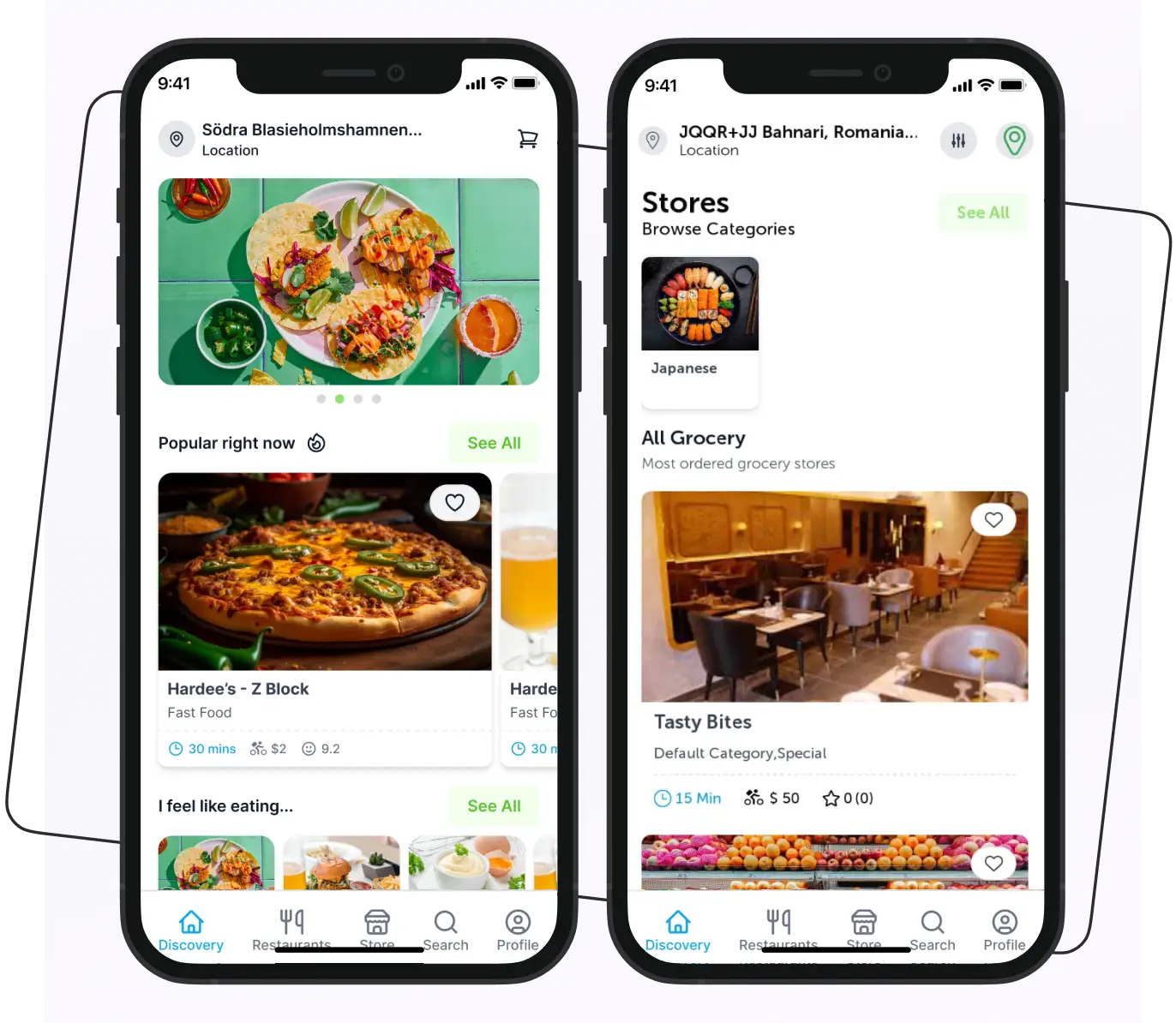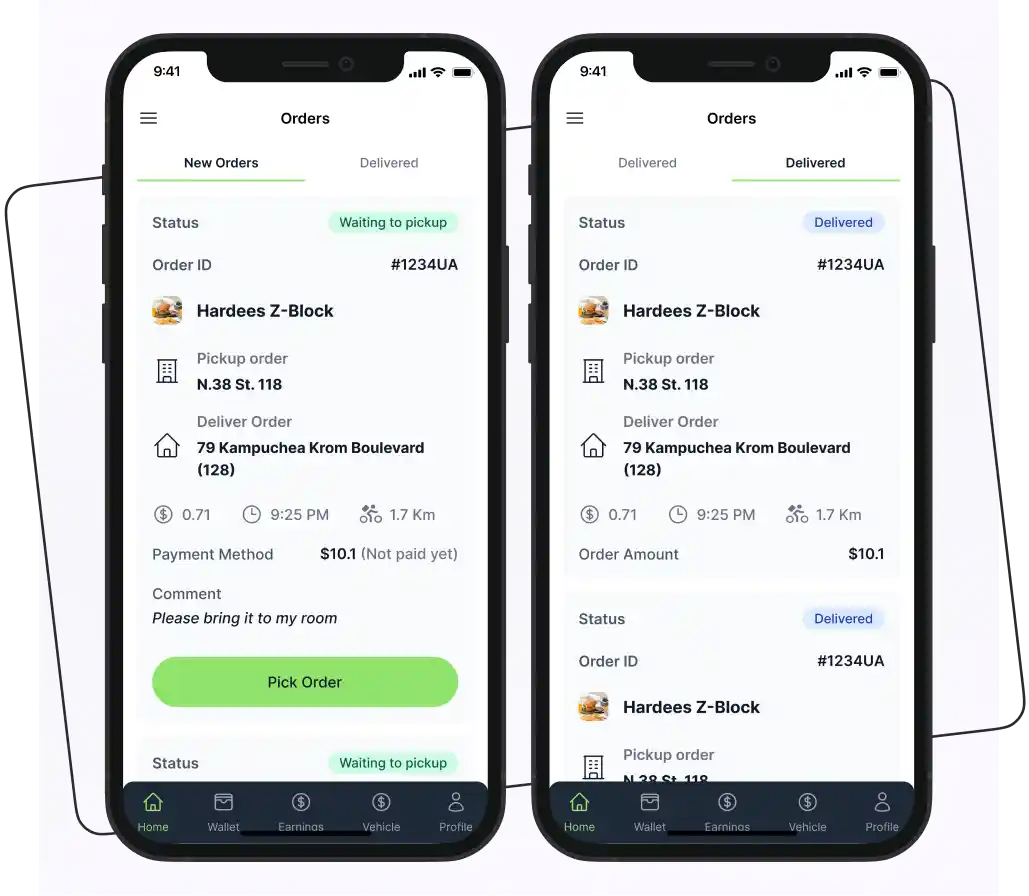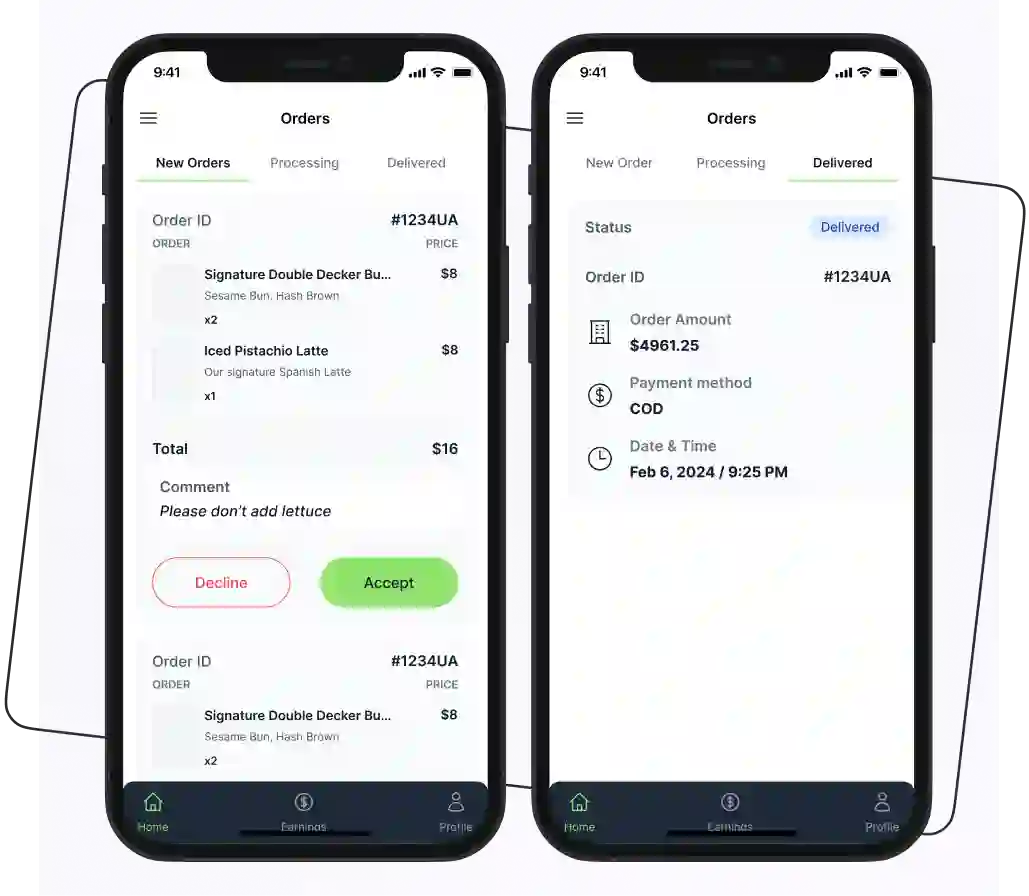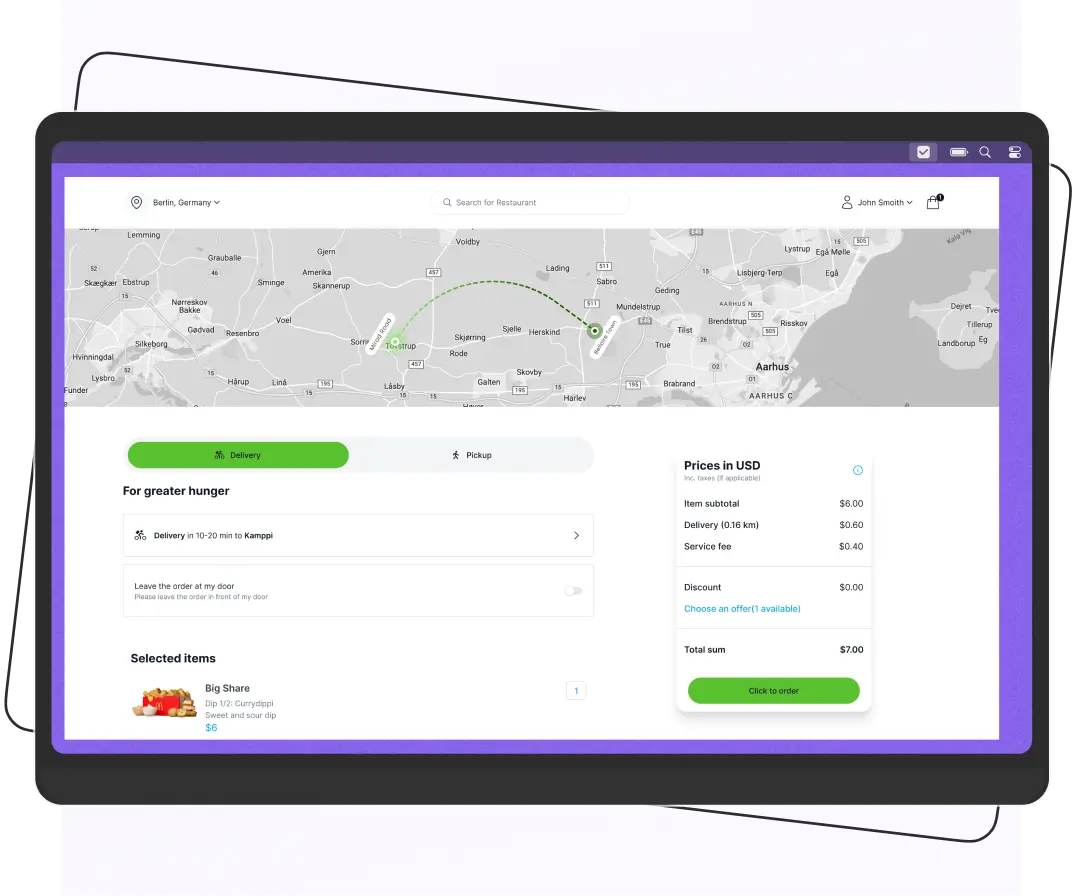



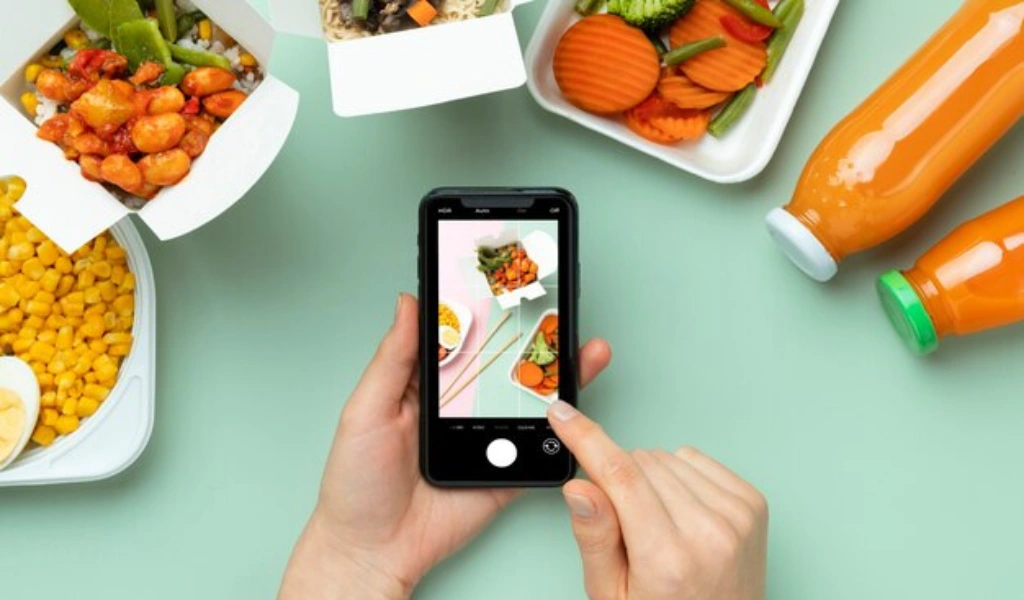
To promote food delivery apps, you have to use various strategies, like:
- Promote on social media
- Run referral programs
- Optimize your app listing
- Focus on SEO, and more
The food delivery industry is more competitive than ever. With platforms like Talabat, Foodpanda, Grubhub, Deliveroo, and hundreds of local apps fighting for the same users, simply launching an app is not enough. The real challenge is knowing how to promote a food delivery app effectively to drive installs, first orders, and long-term retention.
If you’re a startup founder, a restaurant aggregator, or running a white-label food delivery app, this blog is the perfect thing you need. You get all the proven food delivery promotion ideas that work in 2026.
Supercharge your deliveries with Enatega.
Register Now13 Strategies for Promoting Food Delivery Apps
How to market a food delivery app?
Building a food delivery app is only the first step. The success truly comes from how well you market it. Without the right promotion strategy, even the most feature-rich app can struggle to attract users and generate orders.
Here are 10 proven strategies to effectively promote your food delivery app and stand out in a highly competitive market.
1. App Store Optimization (ASO) for Maximum Visibility
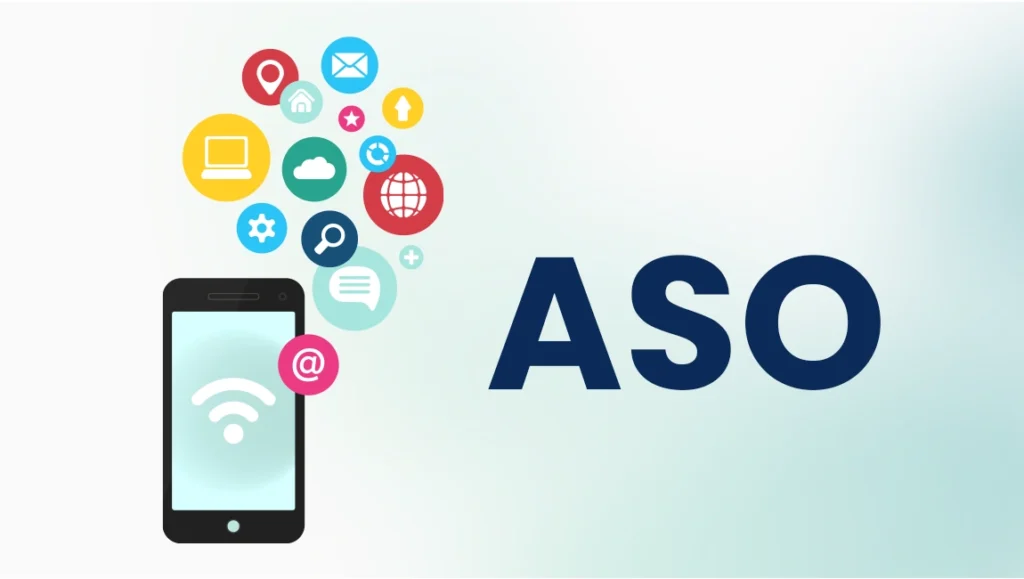
Your app’s first impression happens on the App Store and Google Play. Optimizing your app title, description, keywords, screenshots, and demo videos helps you rank higher when users search for “food delivery near me” or “order food online.”
High-quality visuals attract customers, and popular restaurants build trust instantly, while positive reviews and ratings improve conversion rates. ASO ensures organic downloads without incurring heavy ad spend.
2. Local SEO to Capture “Near Me” Searches

According to the Netpeak case study, Domino’s increased organic traffic by 74.5% through SEO.
Most users search for food using location-based queries like “best pizza delivery in the USA” or “late-night food delivery in the UK.” Creating city and area-wise landing pages, optimizing Google Business Profiles, and getting listed in local directories help your app dominate these searches. This strategy brings highly intent-driven users who are ready to order, not just browse.
3. Influencer and Food Blogger Marketing

Food content performs exceptionally well on Instagram, TikTok, and YouTube. Partnering with food bloggers and micro-influencers to review meals, share unboxing videos, and promote exclusive discount codes builds instant credibility. When users see real people enjoying food ordered through your app, trust increases, and installs grow organically.
4. Referral Programs to Create Viral Growth
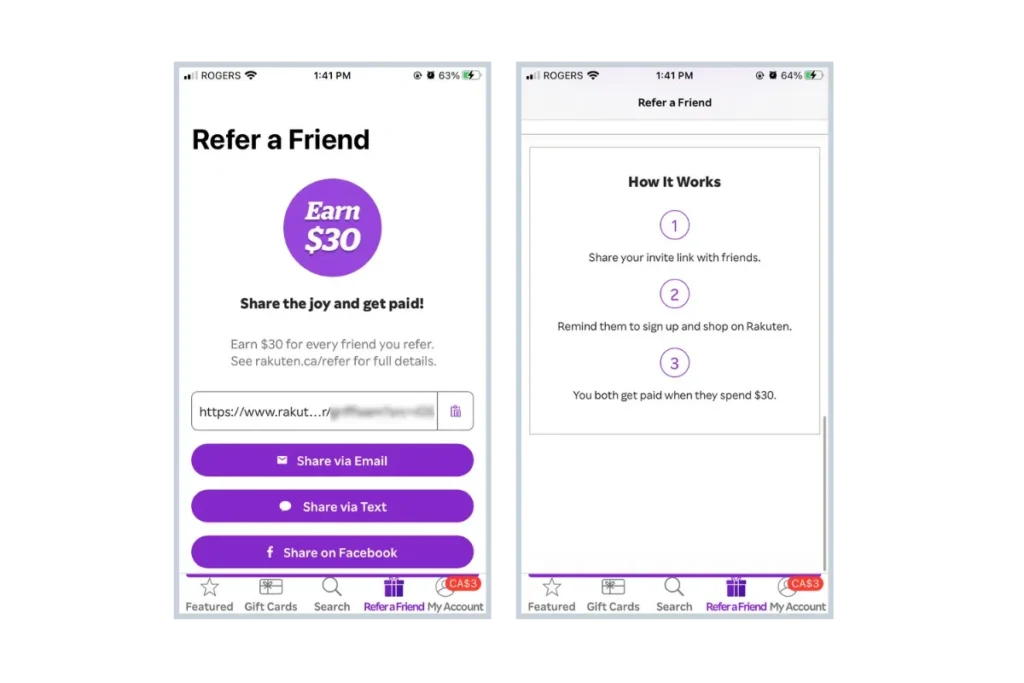
A well-designed referral system turns your existing users into brand ambassadors. Offering wallet credits, free delivery, or discount coupons to both the referrer and the new user creates a word-of-mouth loop. This strategy reduces customer acquisition cost while rapidly expanding your user base.
5. Performance Marketing via Google and Social Ads
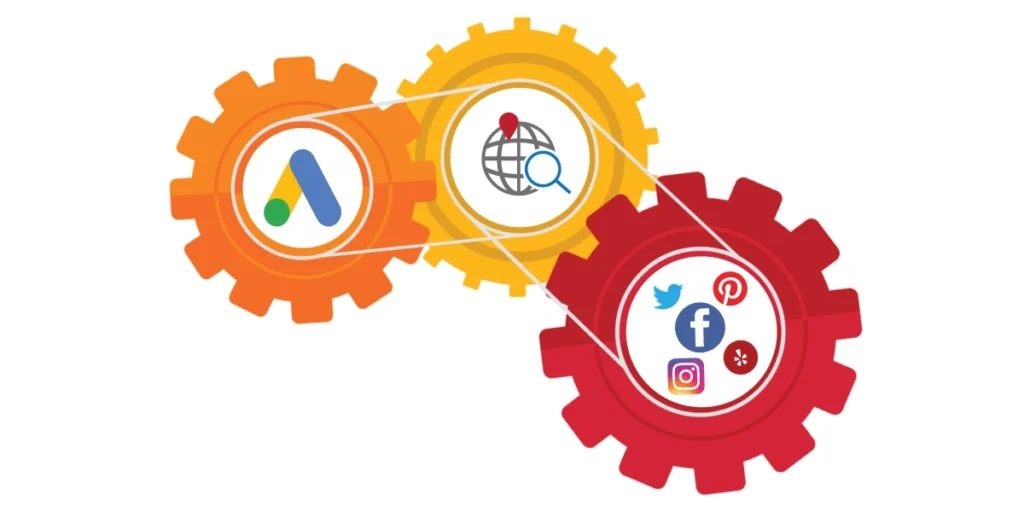
Running app install and conversion-focused campaigns on Google, Facebook, Instagram, and TikTok helps you reach users actively searching for food or browsing food content. Smart targeting, retargeting, and creative testing allow you to attract high-quality users and drive first orders instead of just installs.
6. Push Notifications and In-App Engagement
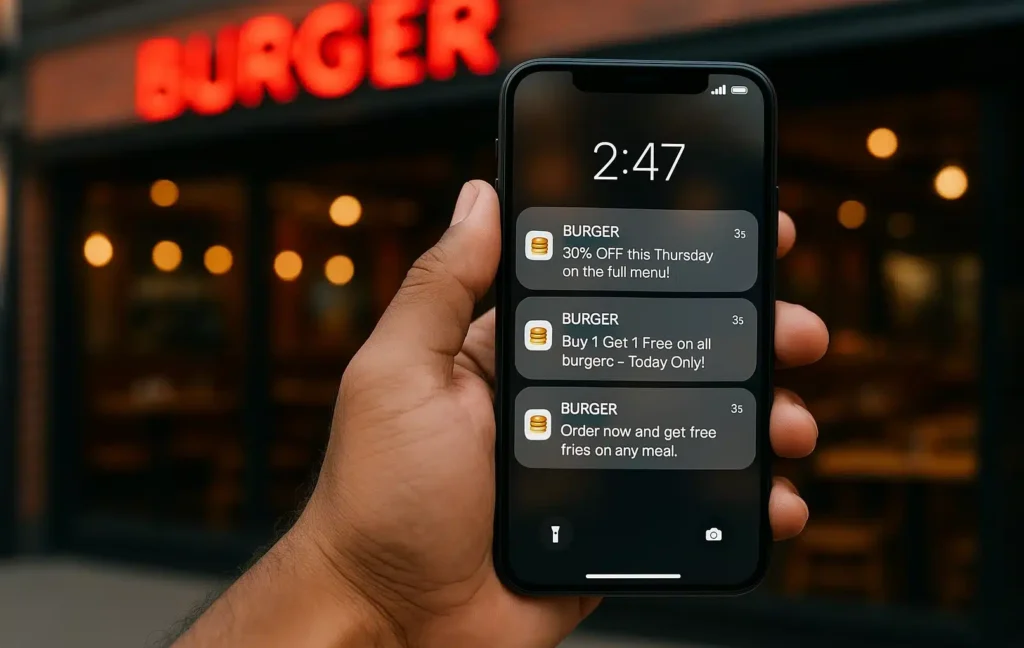
It is another restaurant marketing strategy. Timely and personalized push notifications remind users to order at the right moment, lunch time, dinner hours, weekends, or during bad weather. Messages like “Your favorite burger is 30% off tonight” or “Free delivery for the next 60 minutes” trigger instant action and increase repeat orders.
7. Content Marketing and SEO Blogging
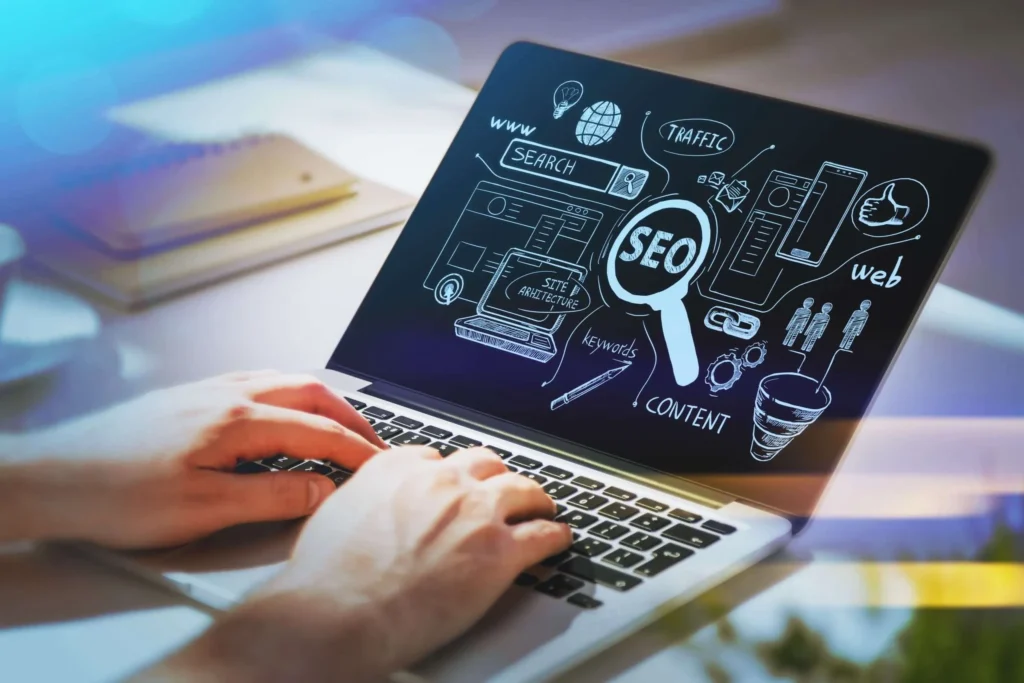
Publishing helpful blogs such as “Best Restaurants in the USA,” “Healthy Food Delivery Options,” or “How to Order Food Online Safely” attracts organic traffic and builds topical authority. These articles can internally link to your app and restaurant pages, converting readers into loyal users over time.
8. Restaurant Partnerships and Exclusive Deals

Collaborating with popular restaurants for exclusive menu items. Co-branded promotions strengthen both supply and demand. When users know they can only find certain deals on your app, it creates a strong reason to download and keep using it.
9. Social Media Engagement and User-Generated Content
Encouraging customers to share their food experiences, reviews, and photos on social media builds authenticity. Reposting this content and hosting contests increase brand visibility and create a community around your app.
10. Loyalty Programs and Gamification
Rewarding users for repeat orders through points, levels, cashback, and special perks keeps them engaged long-term.
79% of customers are likely to stick with brands that offer rewards, according to HubSpot.
Gamification elements like streak rewards, milestone bonuses, and birthday discounts make the experience fun and emotionally rewarding.
11. Engage Through Email Marketing
Email is a simple and powerful way to stay connected with your users and encourage them to order again. By sending personalized emails based on what they like and when they usually order, you can make your offers more attractive.
For example, a discount on their favorite food sent around dinner time can quickly turn into a new order. Regular emails about deals and new restaurants also help keep your brand in their mind and build long-term loyalty.
12. Event Sponsorships and Collaborations

Taking part in events like food festivals, concerts, or local gatherings is a great way to make your app more visible. Offering special discounts or delivery services during these events creates a fun experience and motivates people to download your app. Limited-time offers linked to popular events can attract new users and bring back existing ones.
13. Use Offline Marketing
Offline marketing helps you reach people in the real world. Simple tactics like placing QR codes on delivery bags, sharing flyers, and promoting your app inside partner restaurants make it easy for people to find and install your app. This also builds trust and supports your online marketing efforts.
Common Mistakes in Food Delivery App Promotion
When you promote a food delivery app in the USA, it’s easy to focus only on growth and forget about the basics. However, small mistakes can slow down your success and waste your marketing budget.
Here are some common mistakes that many food delivery businesses make.
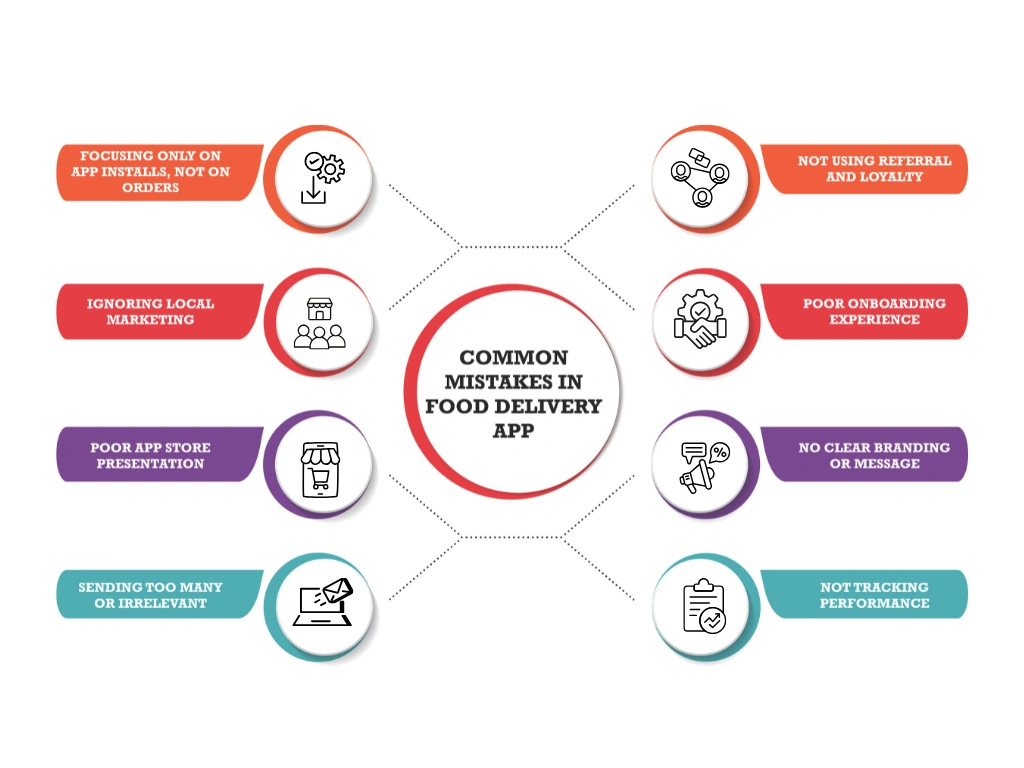
Focusing Only on App Installs, Not on Orders
Many companies run ads just to get more downloads, but they don’t focus on turning those downloads into real orders. If users install the app and never place an order, your marketing money is wasted.
A good promotion strategy should guide users from install to first order by offering welcome discounts and simple onboarding.
Ignoring Local Marketing
Food delivery is a local business, yet many apps use the same marketing message for every city. Not creating city-based offers, local restaurant promotions, and “near me” SEO pages means you miss out on highly targeted users who are ready to order in their area.
Poor App Store Presentation
If your app page has low-quality screenshots, unclear descriptions, or bad reviews, users may not trust it enough to install. A weak App Store and Google Play presence can reduce your conversion rate even if your ads are good.
Sending Too Many or Irrelevant Notifications
Push notifications can help increase orders, but sending too many messages or sending offers that do not match user interests can annoy users and lead them to uninstall the app. Messages should be timely, personalized, and useful.
Not Using Referral and Loyalty Programs
Many apps forget to reward their loyal users. Without referral bonuses and loyalty points, you lose the chance to turn happy customers into promoters who bring in new users for free.
Poor Onboarding Experience
If the app is difficult to use or the signup process is long, users may leave before placing their first order. A simple, smooth onboarding process with clear instructions and a first-order offer can greatly improve conversions.
No Clear Branding or Message
When your brand message is not clear, users don’t understand what makes your app different from others. You need to clearly communicate your main benefits, such as fast delivery, low prices, or a wide range of restaurants.
Not Tracking Performance Properly
Promoting your app without tracking results is like driving without a map. If you don’t measure installs, orders, retention, and user behavior, you won’t know which campaigns are working and which ones need improvement.
FAQs
To advertise a food delivery service, you have to follow these strategies:
Optimizing Google Business Profiles for local searches
Offering first-time discounts
Partnering with influencers
Use email marketing to drive repeat orders
Increasing the food delivery business requires these:
Optimizing online presence
Use targeted promotions
Offer fast and reliable service
Offering first-order discounts
Use social media for promotion
Food deliveries rejected with these reasons:
Damaged packaging (tears, dents, leaks)
Expired dates
Signs of improper temperature control (especially for refrigerated/frozen goods)
Abnormal odors, colors, mold, or visible signs of pests
Supercharge your deliveries with Enatega.
Register NowConclusion
Building a food delivery app is just the first step; promoting it the right way is what brings success. Implementing these strategies can help your food delivery app attract and retain customers in a growing market.
From running effective food delivery ads to creating campaigns, the right marketing strategy for food apps can make all the difference.
If you run a food business and want to create your own app, book a free demo with us today and take the first step toward success.
About the author

Hudaibia Khalid is the creative force behind the blog—a maestro of words and ideas. Her distinctive style not only imparts wisdom but also leaves an indelible mark, transforming each post into a captivating journey through her unique perspective on the world.
SHARE










 IOS
IOS Android
 Web
Web