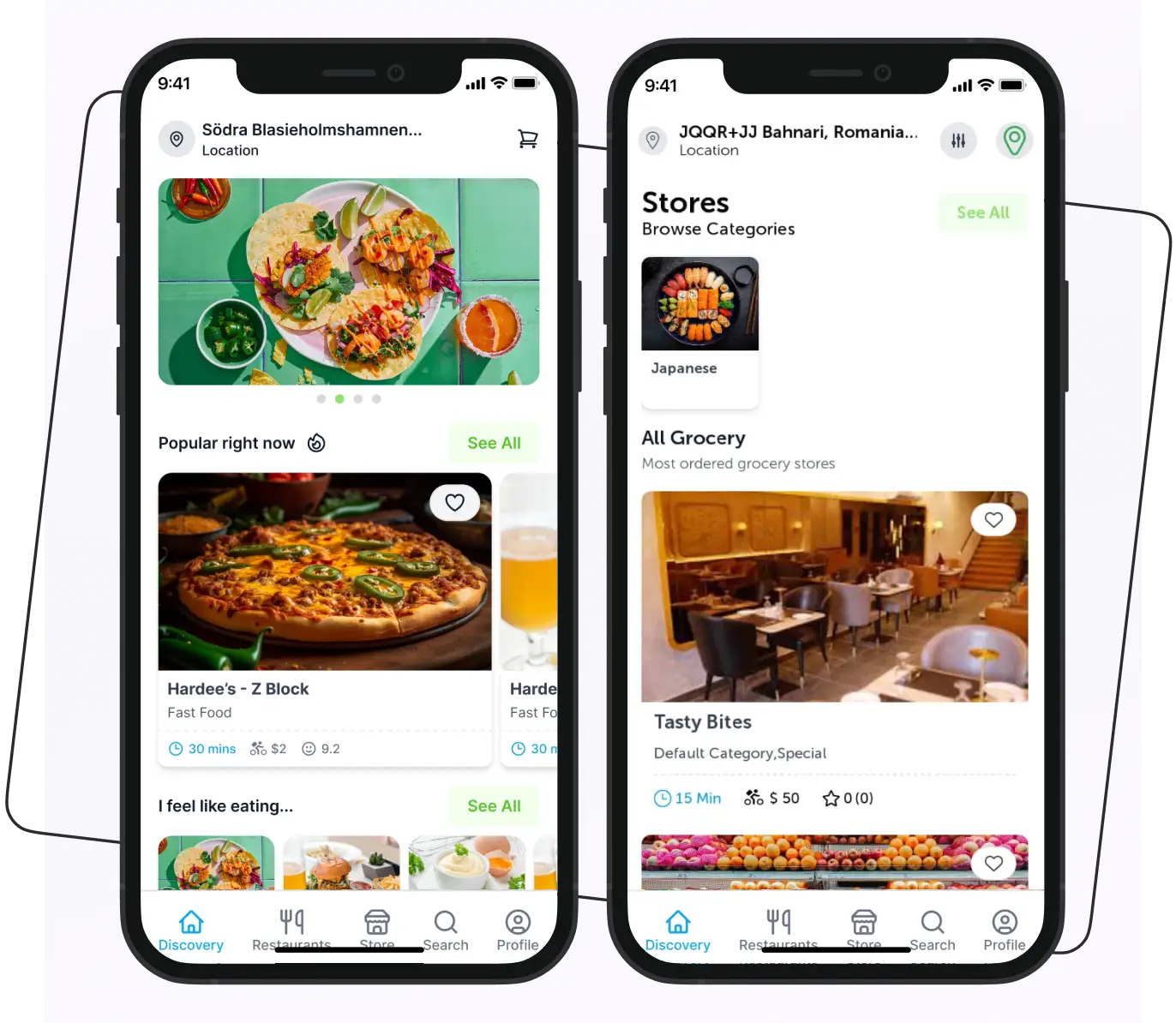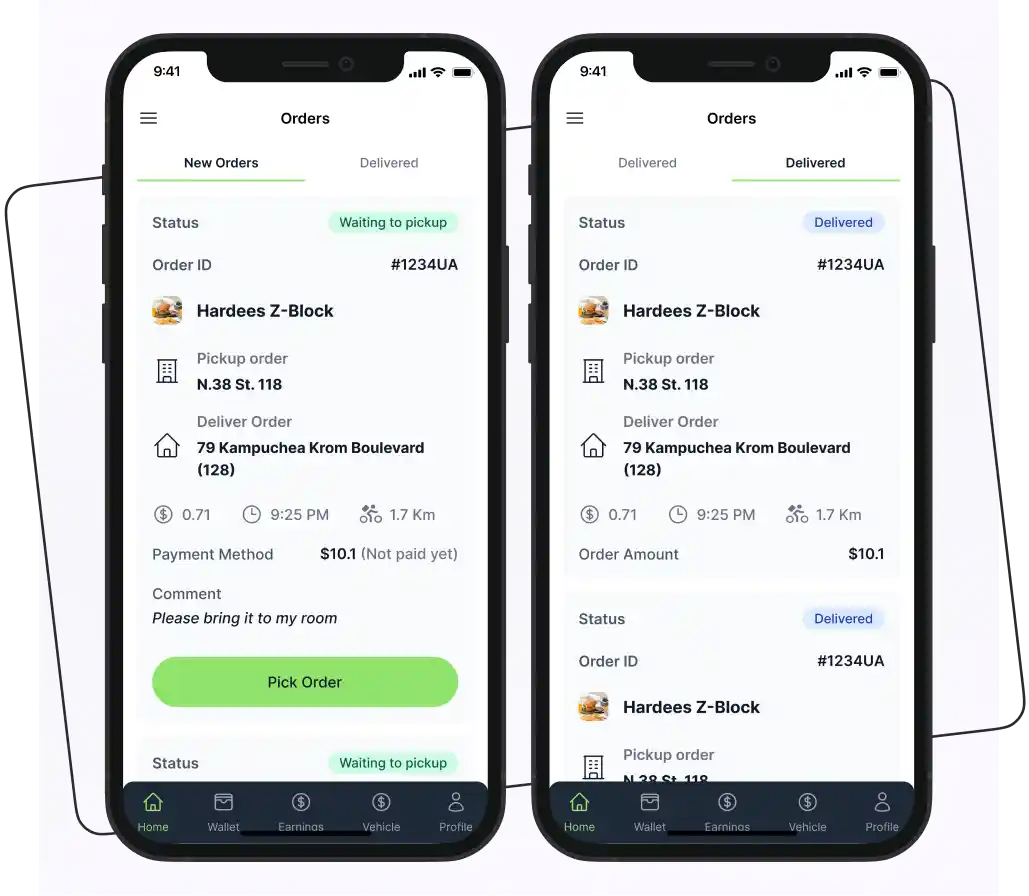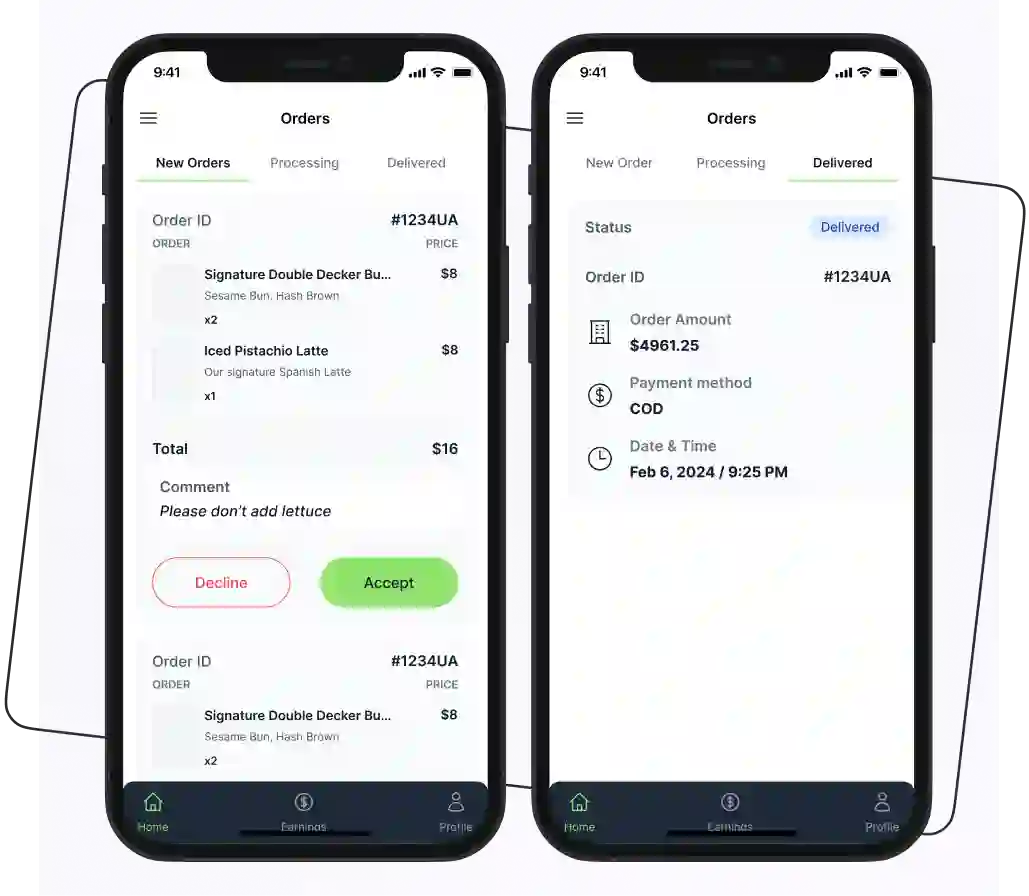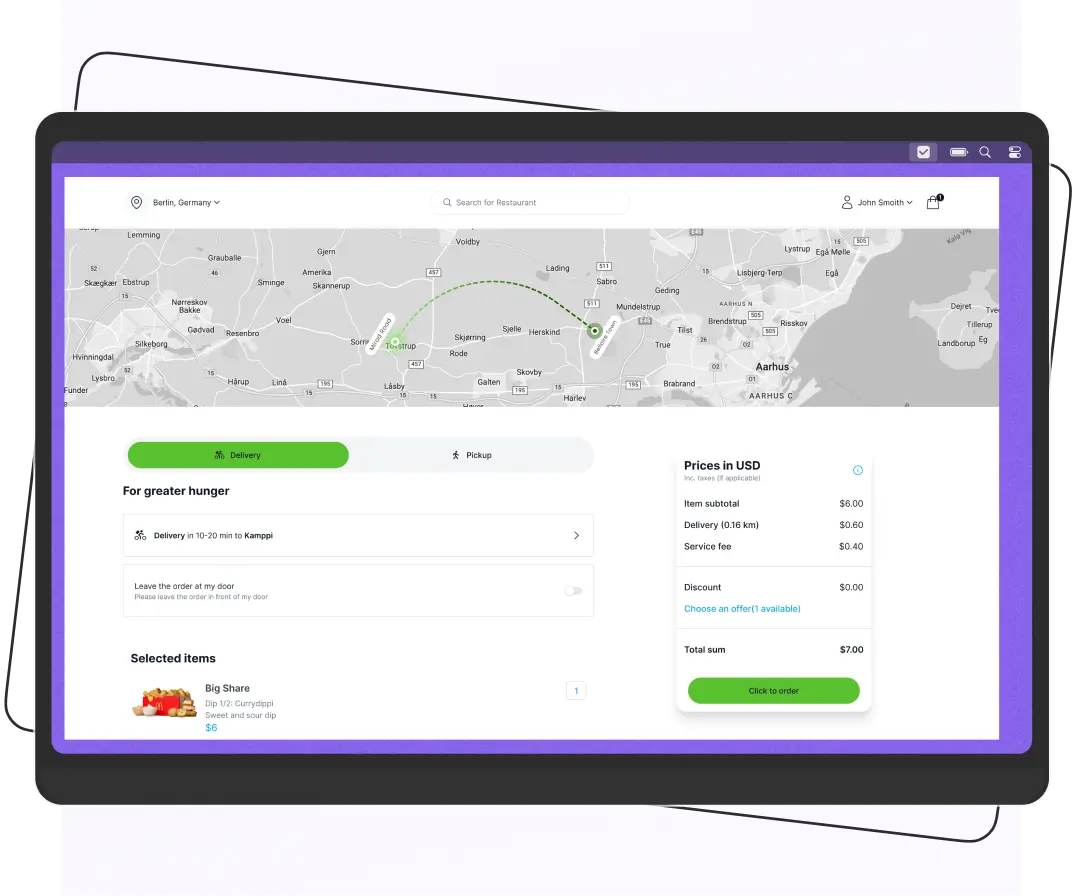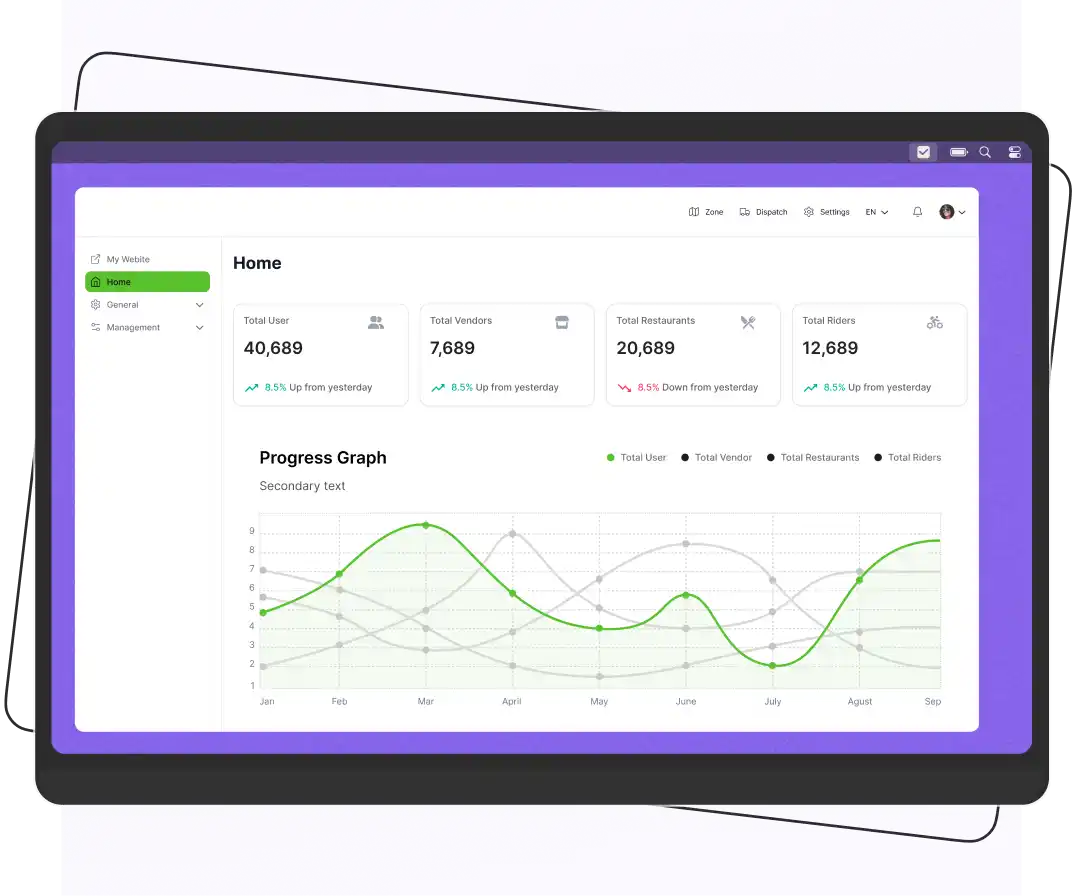


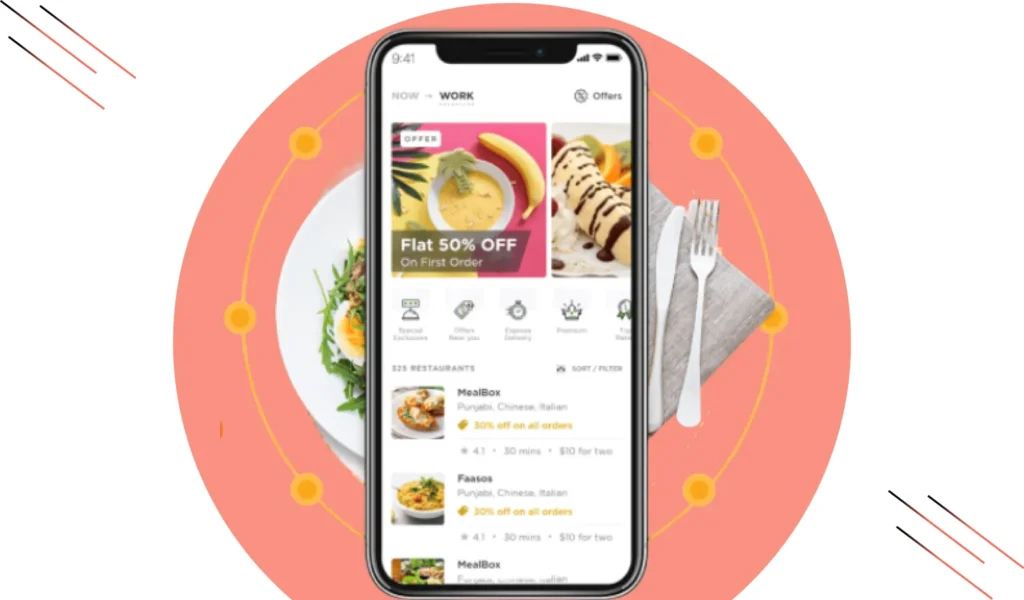
A Rappi clone is a ready-made multi-service delivery app that lets entrepreneurs launch food, grocery, pharmacy, courier, and other on-demand services quickly. Depending on customization and features, a Rappi clone costs between $17,000 and $50,000 and can be deployed in as little as 5-15 business days.
Thinking about launching your all-in-one delivery platform? Whether it’s food, groceries, medicines, or even courier services, a Rappi clone app could be exactly what you need. Designed for versatility, this multi-service app is perfect for entrepreneurs ready to enter the growing on-demand economy.
With a Rappi clone, you can bring together multiple delivery services under one roof and give your customers a fast, smooth, and reliable experience, all managed from a single platform. It’s a smart way to start your delivery business without building everything from scratch.
In this blog, we’ll cover everything you need to know about how to build your app like Rappi.
Let’s get into it!
Supercharge your deliveries with Enatega.
Register NowWhat is Rappi?
Rappi has quickly become a household name across Latin America. It’s a one-stop store for all delivery services. It has changed the way people get food, groceries, and more delivered right to their doorsteps.
In addition to food and grocery delivery, Rappi is expanding its services to include travel, insurance, and more. Currently, it operates in nine countries, including Mexico, Colombia, Argentina, and Brazil.
Rappi made its first appearance on TIME magazine’s list of the 100 Most Influential Companies in 2024, named in the Leaders section alongside Pinterest and Reddit. LatamList
As of May 2024, the platform has achieved over 150 million app downloads, a monthly active user base of around 10 million, and serves more than 125,000 businesses. Contrary Research
According to Statista, Rappi was the first Colombian startup to reach a valuation of over $1 billion, becoming a “unicorn”.
Unique Features of Rappi
- Offers a subscription service called Rappi Prime that provides unlimited free deliveries and exclusive perks for a monthly fee.
- Offers the RappiCard, a credit card with no annual fee, cashback, and up to 18 months of interest-free purchases. As of 2022, around 800,000 people in Colombia held a RappiPay account.
- Acquired AI company Fountain9 in September 2024 to enhance AI-driven operations, supply chain efficiency, and personalized recommendations.
- Offers Rappi Turbo, an ultra-fast delivery service that gets food and pharmacy goods to customers in as little as 10 minutes in select areas.
How Does Rappi Make Money?
Rappi makes money using these methods:
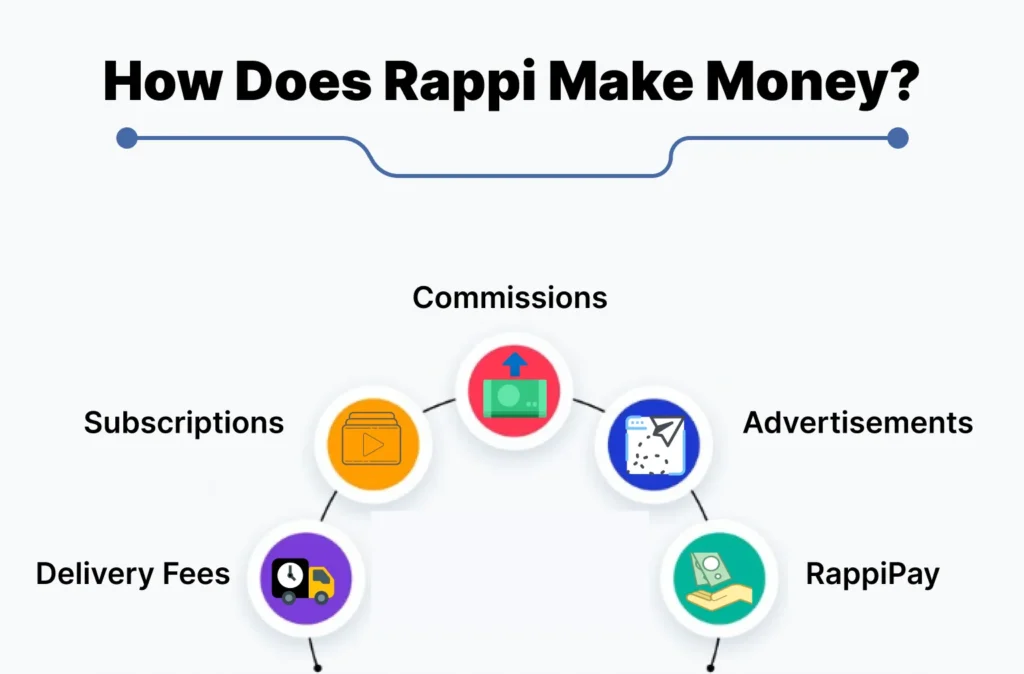
Delivery Fees
This is Rappi’s main income source. Every time a delivery is made, the user pays a fee. The fees can change based on demand or distance.
Subscriptions
Rappi Prime is a subscription service that allows users to enjoy free deliveries for a monthly fee. This helps users save money if they order often, and Rappi gets regular income.
Commissions
Rappi earns money from restaurants and shops it partners with. When users order from these places, Rappi takes a percentage of the sale.
Advertisements
Businesses can pay to be featured on the Rappi app, which helps them get noticed by users.
RappiPay
Rappi has built a full financial services arm called RappiPay. Users can pay for purchases, transfer money, and access credit.
In Mexico, Banorte acquired 100% of the RappiCard operating entity in a deal that covered a portfolio of approximately 1.14 million cardholders, establishing a 15-year exclusive partnership for financial products within Rappi’s ecosystem.
In Colombia, RappiPay operates as Rappi’s own financial services division and continues to grow its deposits and assets.
What is a Rappi Clone?
The Rappi clone app is a ready-made, customizable solution that enables you to launch your on-demand delivery service quickly.
Whether you’re delivering food, groceries, medicines, or other products, this app connects customers, delivery drivers, and businesses effortlessly.
It’s a scalable, feature-rich platform designed for easy integration, helping entrepreneurs establish their businesses quickly and efficiently.
Services Offered With Rappi Clone Script App
Creating a Rappi clone involves integrating various modules to enhance functionality and user experience. Here are some services you can offer with the Rappi clone script app.
- Food delivery
- Grocery delivery
- Flower delivery
- Package delivery
- Medicine delivery
- Beverage delivery
- Meat delivery
- Stationary delivery
Workflow of a Rappi Clone App
Creating a smooth and reliable food and grocery delivery experience requires a well-organized system.
Here’s a step-by-step process of how a Rappi clone app works.
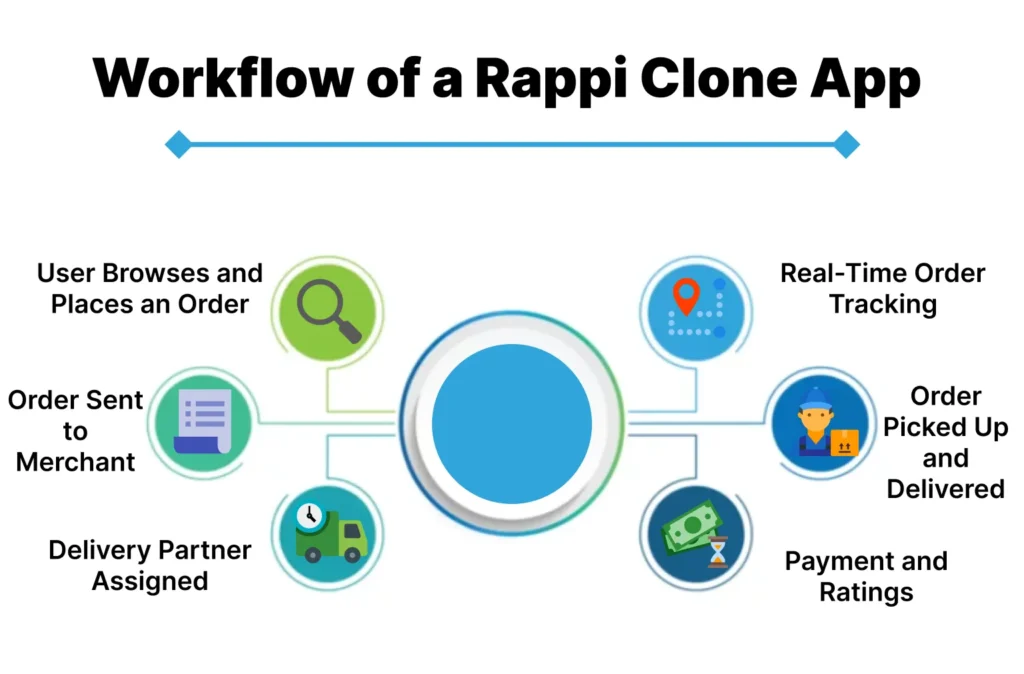
1. User Browses and Places an Order
The user opens the app, browses nearby restaurants or stores, and selects the items they want. After adding everything to the cart, they proceed to checkout and place the order.
2. Order Sent to Merchant
Once the user confirms the order, the merchant (restaurant or store) receives the details in their dashboard. They review it, accept it, and start preparing the order.
3. Delivery Partner Assigned
The merchant is preparing the order, and the system automatically assigns a nearby delivery partner. The delivery rider receives the pickup details and estimated delivery time.
4. Real-Time Order Tracking
Users can track the order in real time, from preparation to pickup and delivery. They’ll see updates like “Order confirmed,” “Out for delivery,” and an ETA for arrival.
5. Order Picked Up and Delivered
Once the order is ready, the delivery partner picks it up and heads to the user’s location. The app provides turn-by-turn navigation to ensure timely delivery.
6. Payment and Ratings
Payment is processed either online (via card or wallet) or in cash, depending on the user’s choice. After the order is delivered, the user can rate the delivery partner and merchant, helping improve service quality.
Benefits of Building the Rappi Clone
Building a Rappi clone offers numerous advantages for businesses looking to enter the on-demand delivery market.
Here are some key advantages.
| Benefits of Building the Rappi Clone App |
| Cost-effective: Building a Rappi clone is generally less expensive than creating a unique app from scratch. It helps businesses save money and avoid unnecessary expenses. |
| Faster Launch: One of the major perks of using a Rappi clone is the ability to launch the app quickly. Businesses can enter the market sooner and start attracting customers right away. |
| Customization: With a food delivery app clone, businesses can customize the platform to fit their specific needs. This includes adjusting the branding, adding features, and modifying modules to create a unique user experience. |
| Multi-Category Delivery: The app can handle various types of deliveries, such as food, groceries, and more, all from a single platform. This versatility makes it appealing to a broader audience. |
| Access to a Larger Market: Using a delivery app allows businesses to reach a wider customer base. This increased visibility can lead to more sales and growth opportunities. |
How to Build the Rappi Clone App?
If you’re planning to build an app like Rappi, there are several steps you’ll need to follow. Here are some steps to help you build a great food app like Rappi.
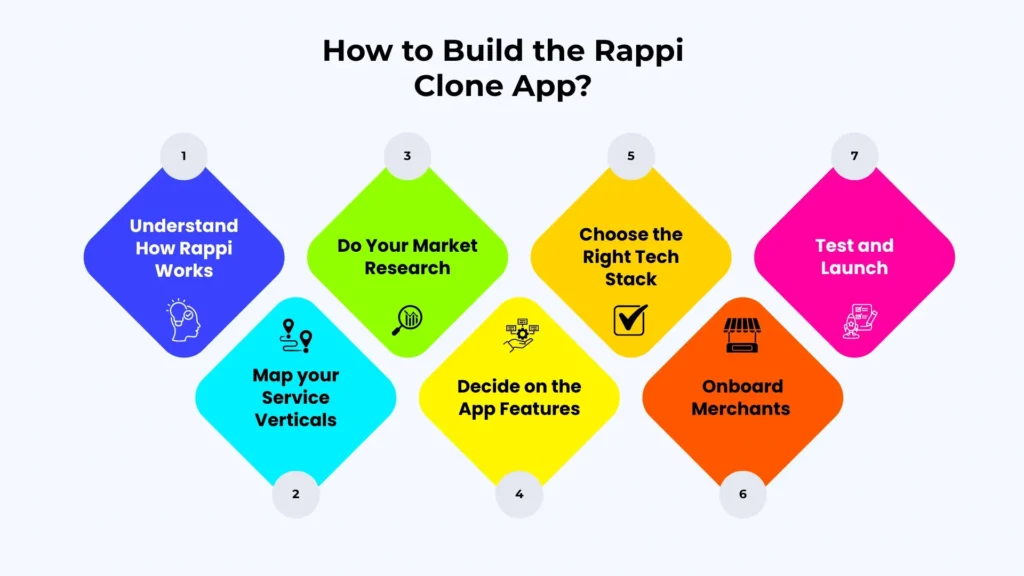
1. Understand How Rappi Works
Before jumping into development, it’s important to fully understand Rappi’s business model. What services does it offer? How does it earn revenue? The more clarity you have on how Rappi operates, the better you’ll be able to replicate (and improve on) its model.
2. Map your Service Verticals
Most failed multi-service delivery apps tried to launch everything at once. Before development begins, decide which verticals you’ll support at launch: food, grocery, pharmacy, and courier, and which ones you’ll add in later phases.
Each vertical requires different merchant onboarding logic, catalog structures, and delivery SLAs. Scoping this upfront prevents expensive rework.
3. Do Your Market Research
Next, start research. Don’t just study the delivery market in general. This step is all about identifying opportunities and avoiding pitfalls.
- Study your city. What’s the average basket size?
- Are customers more price-sensitive or convenience-sensitive?
- Look at your potential competitors. What are they doing well? Where are they falling short?
- Who are the top 10 restaurants or stores that, if you onboarded them on day one, would instantly validate your platform?
4. Decide on the App Features
Now, list out the features you want to include. Be realistic, adding every possible function might sound good, but it’s better to focus on what matters.
Here is a list of features that you should include in your app.
| User App | Store App | Rider App | Admin |
| Sign up | Item management | Profile management | User management |
| Multiple language | Store management | Pickup information | View stores |
| Pop-up notification | Offers management | In-app communication | Earning reports |
| Advanced filters | Order notification | Check earnings | Manage stores |
| Order tracking | Order accept/reject | Order status updates | Manage user feedback |
| Easy payment | Assign deliveries | ||
| Review and rating | |||
| Tips option | |||
| Takeaway and delivery options | |||
| Contactless delivery | |||
| Scheduled deliveries |
5. Choose the Right Tech Stack
This is where you decide what technologies you’ll use to build your app. The right tools will depend on your budget, timeline, and scalability goals. Popular choices include:
- Frontend: React Native or Flutter
- Backend: Node.js, Express
- Database: MongoDB, PostgreSQL
- APIs: Google Maps, Stripe, Twilio
If you’re choosing a white-label Rappi clone solution, make sure you get the full source code, not just access to a hosted app. Also, check that the app is built using reliable technology so it’s easy to customize and update as your business grows.
6. Onboard Merchants
Your app is useless to customers if there’s nothing to order. Spend 4-6 weeks before launch exclusively signing up restaurants, stores, and pharmacies. Even 20-30 strong merchant partners in a single neighborhood are enough to create a compelling first-day experience.
7. Test and Launch
Before going live, thoroughly test your app. Fix bugs, check performance, and make sure everything works across different devices. Once you’re confident, launch it and start gathering user feedback right away.
Cost of Rappi Clone App Development
A Rappi clone costs between $17,000–$50,000, depending on customization, platform support, integrations, and business requirements.
App development cost is an important thing to consider when wanting to build a new app. Look at the table below and understand the estimated cost of building the Rappi app clone.
| Cost Factor | Estimated Cost |
| Market Research | $1,000 – $3,000 |
| UI/UX Design | $2,000 – $5,000 |
| Backend Development | $5,000 – $15,000 |
| Frontend Development | $4,000 – $12,000 |
| Payment Gateway Integration | $1,000 – $3,000 |
| Admin Panel Development | $2,000 – $5,000 |
| Testing and QA | $1,000 – $3,000 |
| Deployment | $500 – $1,500 |
| Maintenance and Support | $500 – $2,000/month |
| Total Estimated Cost | $17,000 – $50,000 |
Factors that Affect App Development Cost
Here are a few factors that affect app development cost.
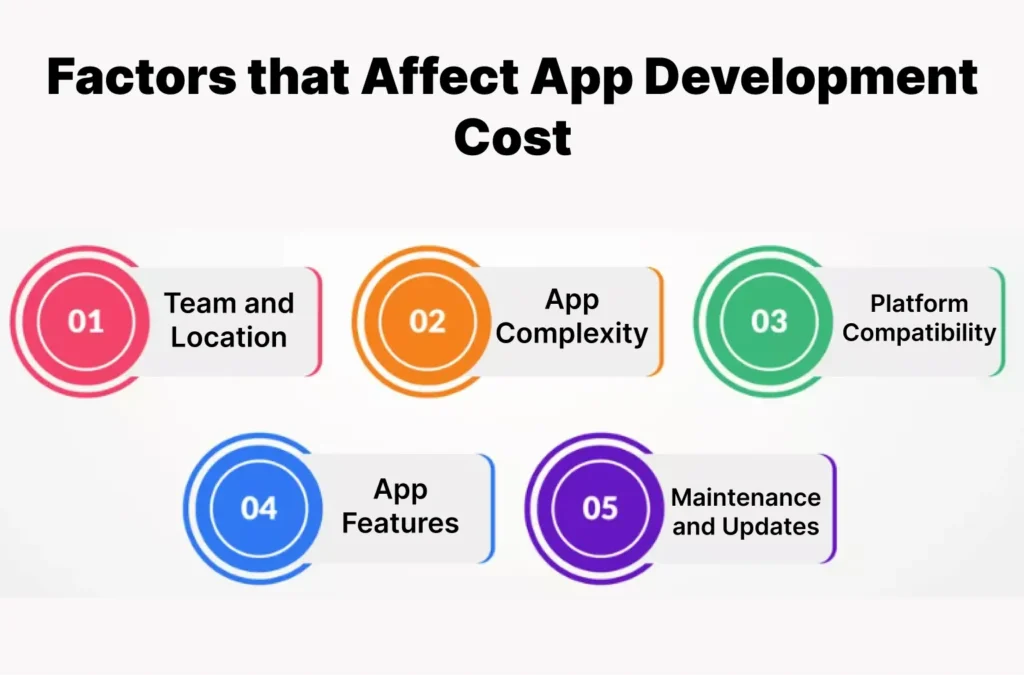
Team and Location
- Geographic Location: The cost can vary based on where the development team is located. Teams in areas with lower wages can help reduce costs, but may lead to communication challenges.
- Onshore vs. Offshore: Onshore teams (in your country) often work better together, but they can be more expensive.
App Complexity
- Simple vs. Complex Apps: Basic apps are cheaper to build. However, apps with advanced features require more time and resources, significantly increasing costs.
Platform Compatibility
- Number of Platforms: Developing for both iOS and Android can double the costs. Adding web or desktop versions increases expenses even further due to the need for different developers and testing.
App Features
- Additional Features: Extra features can raise the total development cost, as they require more time and resources.
Maintenance and Updates
- Ongoing Costs: After launch, apps need regular updates and maintenance, which can add 20% or more to the initial development costs each year. This includes bug fixes, feature additions, and hosting fees.
Rappi Clone vs. Building from Scratch vs. Other White-Label Platforms
Before committing to a Rappi clone, it helps to understand how your options compare.
| Features | Rappi clone (white-label) | Custom-built from scratch | Other delivery app scripts |
| Time to launch | 5–15 days (standard) | 4–9 months | 1–4 weeks |
| Upfront cost | $17,000–$50,000 | $80,000–$200,000+ | $5,000–$20,000 |
| Multi-service support | Yes (food, grocery, pharmacy, courier) | Depends on scope | Usually single-service |
| Customization | High (full source code) | Complete | Limited |
| Ongoing maintenance | Handled by the provider or in-house | Fully in-house | Provider-dependent |
7 Common Mistakes Founders Make When Building the Rappi App Clone
Launching a Rappi clone app is an exciting opportunity, but many founders underestimate the challenges involved. Avoiding these common mistakes can save you time, money, and costly revisions after launch.
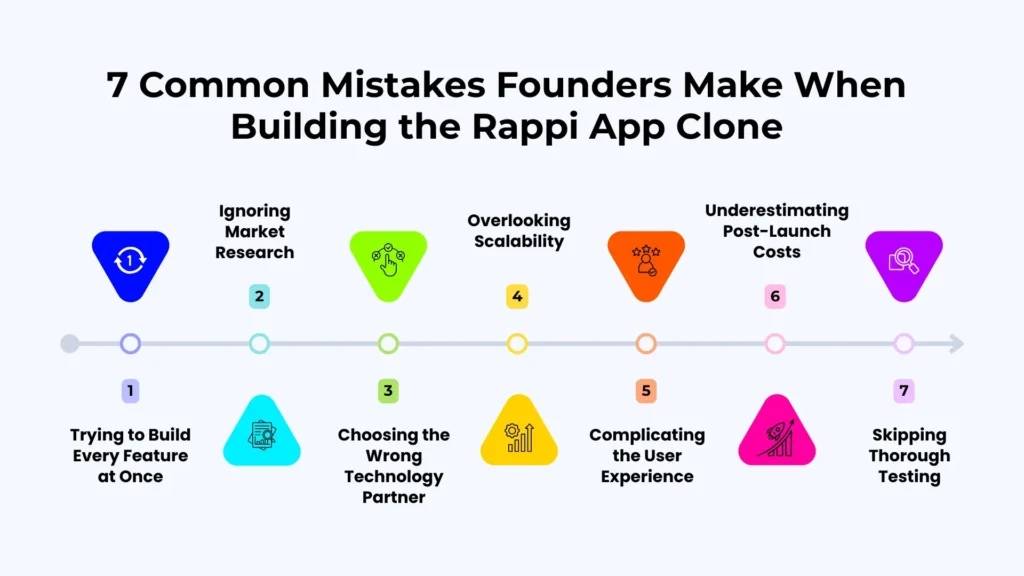
1. Trying to Build Every Feature at Once
Many entrepreneurs attempt to replicate every feature available in Rappi from day one. This often leads to longer development timelines and higher costs. Start with a minimum viable product (MVP) that includes essential features and expand based on customer feedback.
2. Ignoring Market Research
Building a great app isn’t enough if it doesn’t solve local customer needs. Failing to research your target audience, competitors, pricing strategies, and delivery habits can result in low adoption rates. Understand your market before investing in development.
3. Choosing the Wrong Technology Partner
Selecting a development team based solely on the lowest price can lead to poor code quality, missed deadlines, and scalability issues. Work with experienced developers who have successfully built on-demand delivery platforms and can provide ongoing support.
4. Overlooking Scalability
Many founders build apps that work well for a few hundred users but struggle as demand grows. Your Rappi clone should be designed with a scalable infrastructure to handle increasing traffic without performance issues.
5. Complicating the User Experience
A great app won’t succeed if it’s difficult to use. Complex navigation, lengthy checkout processes, and confusing interfaces often drive users away. Keep the design clean, intuitive, and focused on completing orders quickly.
6. Underestimating Post-Launch Costs
Development is only part of the investment. Many businesses forget to budget for maintenance, server hosting, and ongoing feature improvements. Planning these recurring expenses ensures long-term success.
7. Skipping Thorough Testing
Launching an app without comprehensive testing can result in crashes, payment failures, and poor customer reviews. Test every user journey, including customer, merchant, rider, and admin workflows, before going live.
FAQs
The timeline depends on the level of customization and features required. A standard white-label Rappi clone with default branding and modules can be configured and deployed within 5–15 business days.
A fully customized build with unique branding, additional service verticals, and third-party integrations generally takes 4–12 weeks. The more complex your requirements, the longer the timeline.
Yes. A Rappi clone app can support multiple countries with features like multi-language, multi-currency, region-specific taxes, and location-based pricing. This makes it easy to expand your delivery business into new markets as you grow.
Yes. A Rappi clone app is fully customizable, allowing you to modify the branding, design, features, and business modules to match your requirements. You can also add new services and integrations as your business grows.
Supercharge your deliveries with Enatega.
Register NowConclusion
With over two million apps competing for user attention on Google and Apple platforms, according to Statista. Businesses face significant challenges, particularly in saturated markets.
A super app, such as a Rappi clone, can effectively address this imbalance and enhance user engagement.
If you're encountering difficulties in developing your Rappi app clone, Enatega is here to help. Our team of experts has the required skills and experience necessary to create a standout app tailored to your needs.
Skip months of development and launch your delivery platform quickly. Get complete source code, full customization, and expert support from Enatega.
About the author

Hudaibia Khalid is a senior content writer with several years of experience in creating clear and easy-to-understand content. Over the years, she has worked closely with startups, restaurants, and entrepreneurs, helping them simplify complex digital and technical topics into actionable insights.
Her expertise lies in writing about on-demand platforms, food delivery solutions, and business growth strategies in a way that is accessible even to non-technical readers. With her experience in the industry, she focuses on guiding businesses step by step, from understanding ideas to turning them into fully working solutions.
SHARE






 IOS
IOS Android
 Web
Web