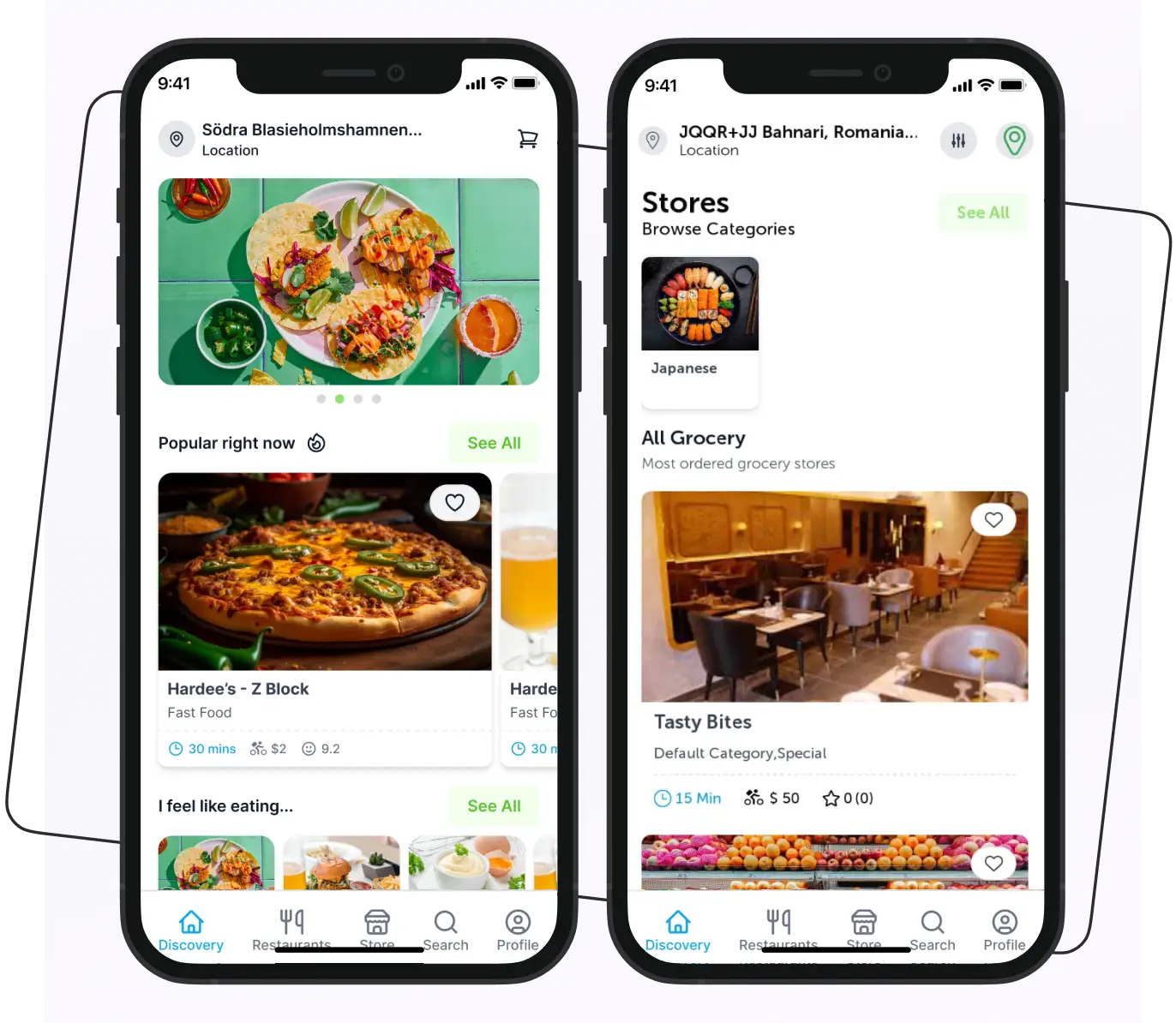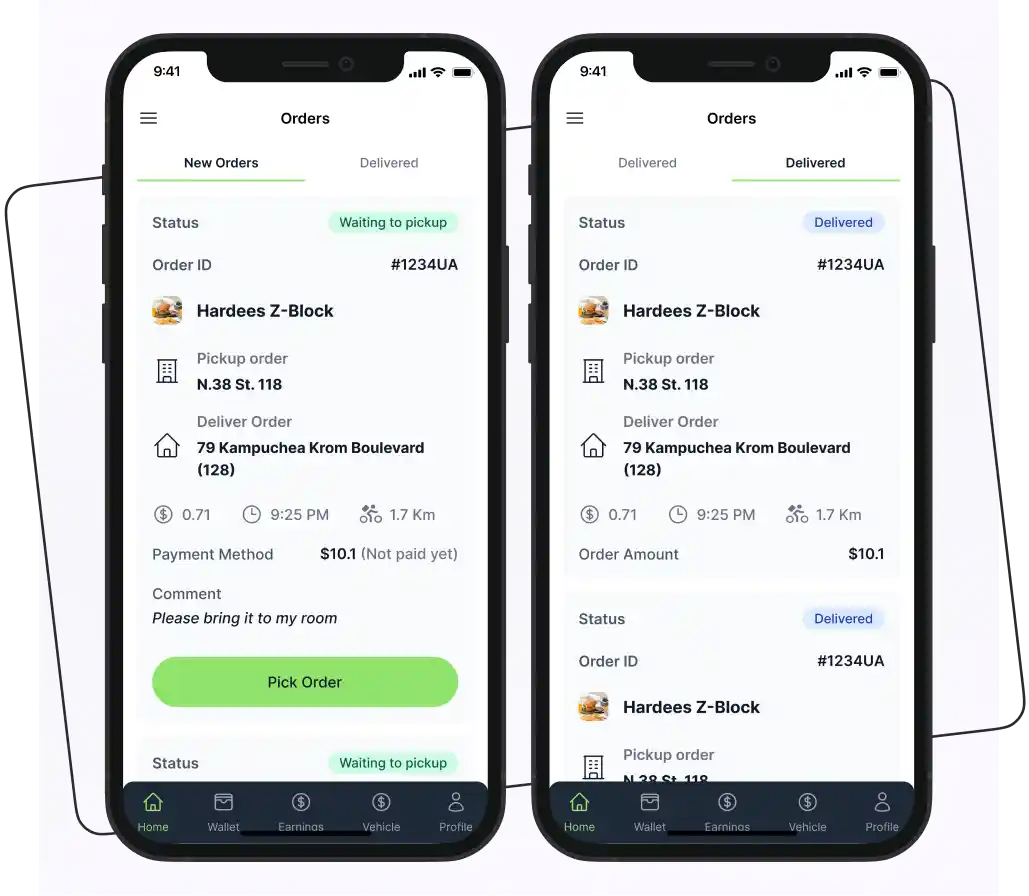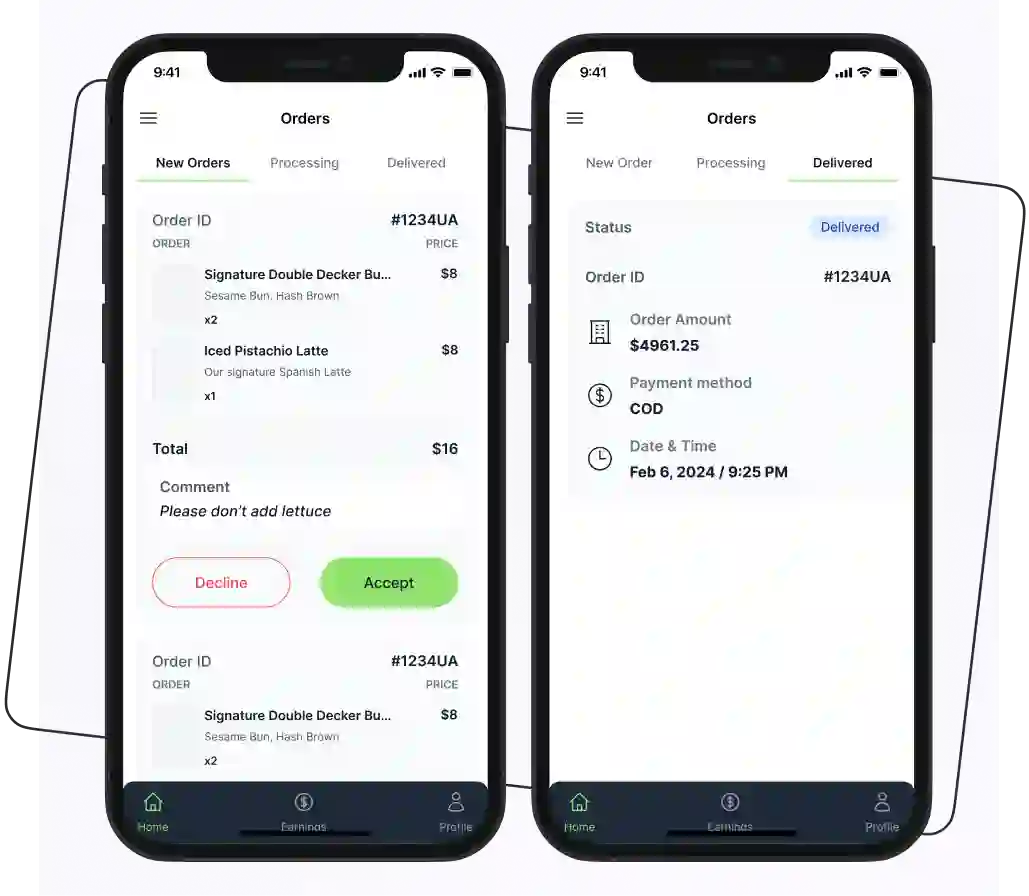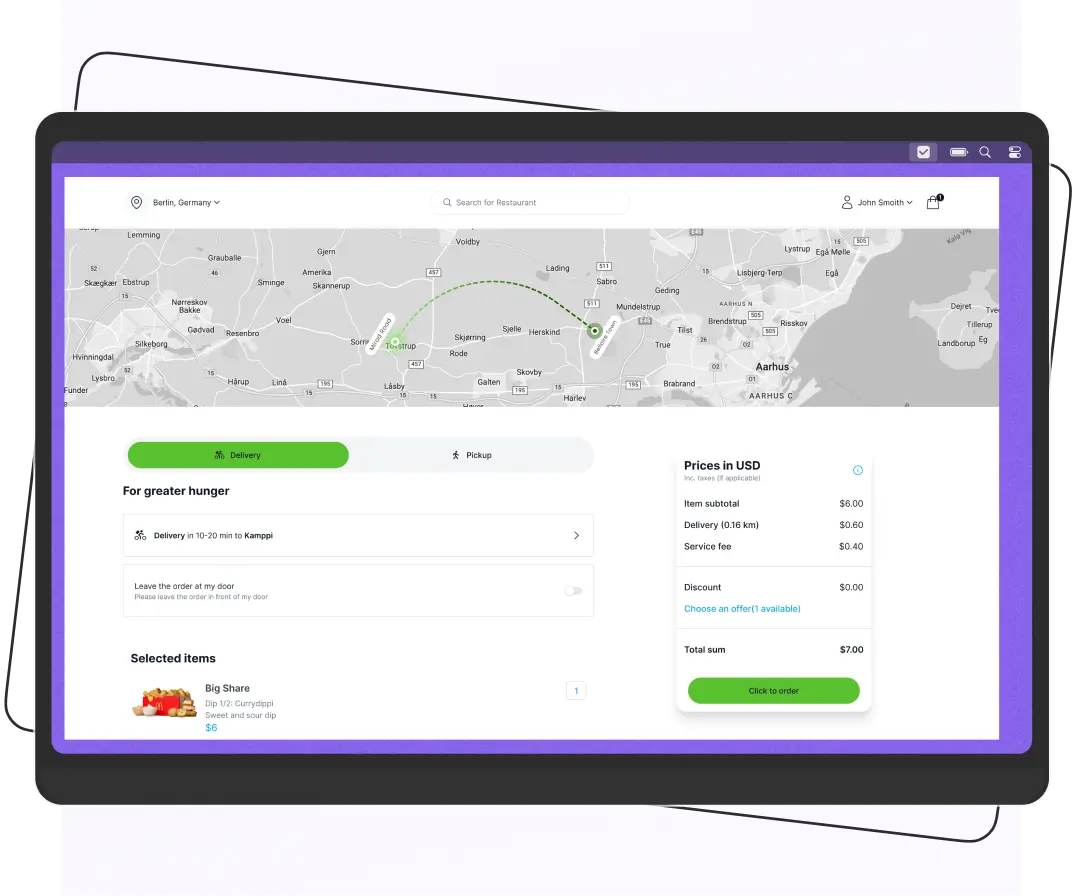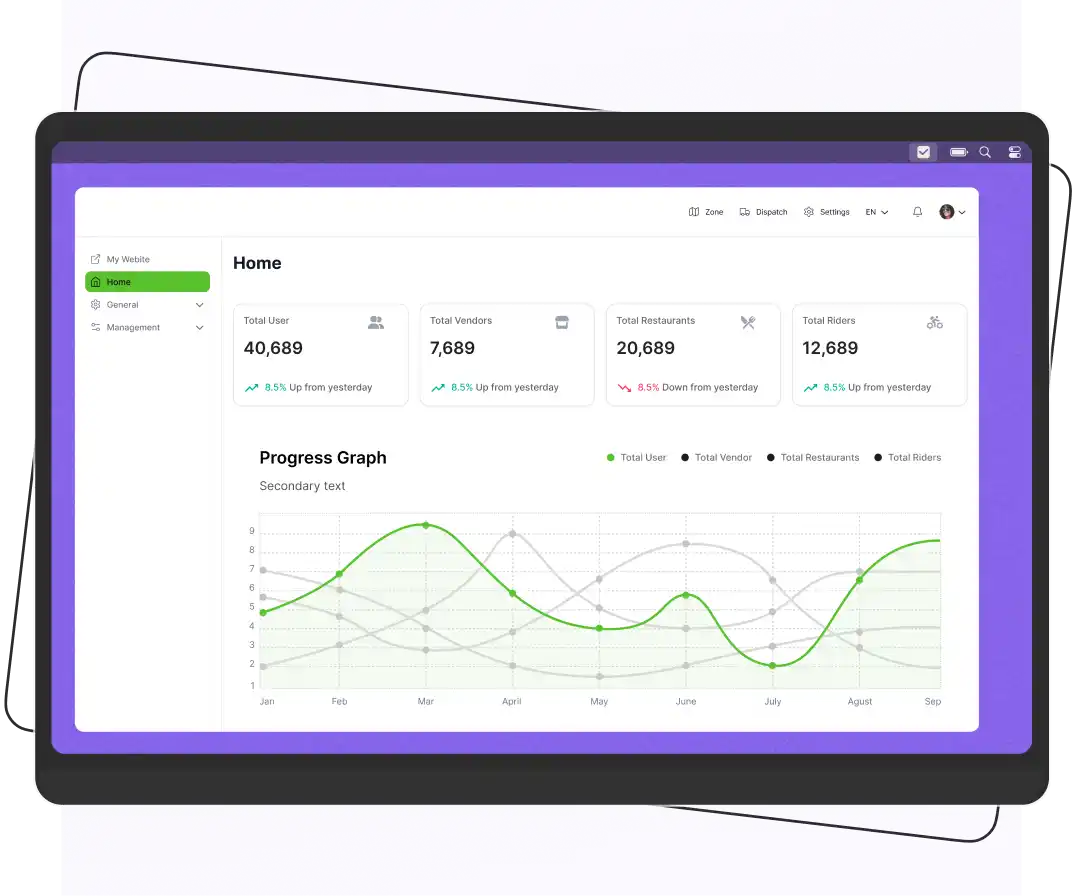


A HungerStation clone is a ready-made, customizable, or white-label delivery platform inspired by the core functionality of HungerStation, a major multi-vertical delivery platform in Saudi Arabia. The app costs $130,000–$370,000 to build fully custom, or to launch in 1-2 weeks with a ready-made solution.
Do you want to facilitate quick ordering and delivery services with a customized food clone app? Or do you want to increase the revenue generation of your business? Then, the perfect solution to all your problems is the creation of a HungerStation clone app.
With a food clone app, you can streamline your delivery operations and transform your food and beverage business. Also, you can launch your food delivery platform without hassle.
Building an app similar to a popular service like HungerStation can be a good opportunity for food delivery businesses. It is a smart strategy for business owners looking to capitalize on the growing food delivery market.
According to Statista, in 2024, three billion consumers globally used online food delivery services.
So, let’s explore more about the HungerStation clone, from what it is to the cost of developing it, to help you in your app development phase.
Key Takeaways
- What it is: A HungerStation clone is a customizable food and multi-service delivery platform.
- Core features: Include restaurant management, ordering, payments, live tracking, notifications, reviews, and rider management.
- Business model: Generate revenue through restaurant commissions, delivery fees, advertising, subscriptions, or other monetization methods.
- Development cost: Costs vary based on features, platforms, integrations, and development approach.
- Launch time: A ready-made or white-label solution can reduce development time compared with building from scratch.
- Customization: Businesses can customize branding, features, delivery zones, payment methods, and supported services.
What is the HungerStation App?
HungerStation is a major multi-vertical delivery platform in Saudi Arabia. It connects customers with more than 55,000 restaurants and stores and supports delivery across more than 102 areas in the country.
In addition to restaurant meals, the platform supports categories such as groceries, pharmacy products, flowers, and other everyday essentials, making it a broader delivery marketplace rather than a food-only app.
What is the HungerStation Clone App?
The HungerStation clone app is a white-label food delivery platform that mimics the features and functionalities of the original app. It is a platform for ordering and delivering services for restaurants.
It is an all-in-one solution that makes food, beverage, and grocery delivery services as smooth and convenient as possible for small- to large-scale restaurants. By providing convenience to customers, restaurants can attract and retain more customers, resulting in more revenue.
Moreover, using the clone app, customers place food orders from their comfort zone and have them delivered to their doorstep.
Delivery Services Offered by HungerStation Clone App
Let’s look at the services that a clone app like HungerStation supports.
- Flower delivery
- Medicine delivery
- Grocery delivery
- Document delivery
Supercharge your deliveries with Enatega.
Register NowHow Does the HungerStation Clone App Work?
It connects customers with restaurants, grocery stores, pharmacies, and other local businesses through a single platform. Users can browse available businesses based on their location, place orders, select a payment method, and track deliveries.
HungerStation is a major multi-vertical delivery platform in Saudi Arabia. Understanding this multi-vertical model is important when planning a HungerStation-style platform, especially if you want to support multiple delivery categories rather than food alone.
Below is a workflow of the HungerStation clone app.
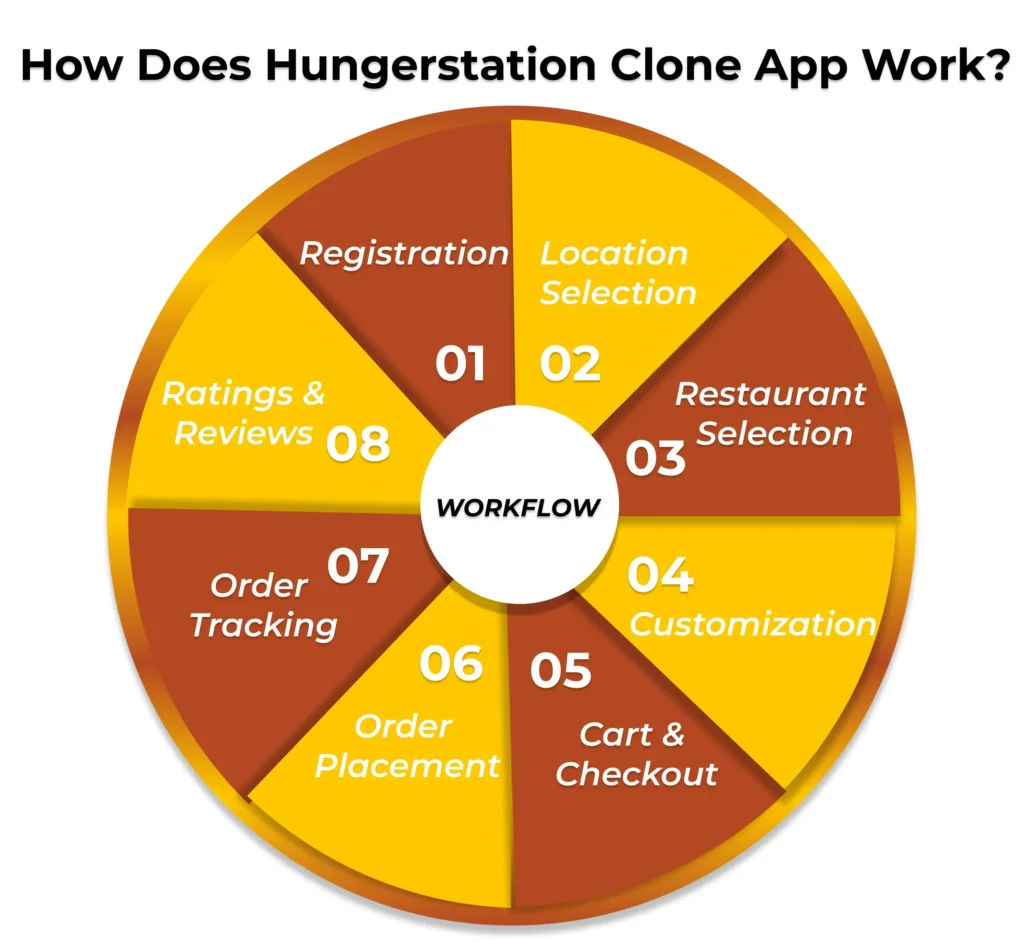
Registration: Users can download the app (available on iOS and Android) and create an account by providing their personal and contact information.
Location Selection: The app uses the user’s location or allows them to enter an address to determine the available restaurants and delivery options in their area.
Restaurant Selection: Users can browse through the list of available restaurants, view their menus, and select the items they want to order.
Customization: For certain menu items, users can customize their order by selecting options like size, toppings, etc.
Cart and Checkout: Users add their selected items to the cart and proceed to the checkout page. Here, they can review their order, apply any available discounts or promo codes, and choose their preferred payment method (e.g., credit/debit card, cash on delivery).
Order Placement: Once the user places the order, the app sends the order to the selected restaurant for processing.
Order Tracking: Users can track the status of their order, from the time it is accepted by the restaurant to when it is delivered to their doorstep.
Ratings and Reviews: After receiving their order, users can rate the restaurant and leave a review about their experience, which helps other users make informed decisions.
HungerStation Business Model
HungerStation is a popular food delivery service in the Middle East, particularly in Saudi Arabia. Its business model contains several key components, such as:
Platform Model
- Marketplace: HungerStation acts as a marketplace connecting customers with local restaurants. It provides a platform where users can browse menus, place orders, and have food delivered to their location.
Revenue Streams
- Commission Fees: The primary revenue source comes from commissions charged to restaurants for each order placed through the platform.
- Delivery Fees: Customers may be charged a delivery fee, which can vary based on distance, order size, or promotions.
- Featured Listings and Advertising: Restaurants, stores, and brands can pay to appear in promoted positions within search results, category pages, or promotional sections of the app.
- Customer Subscriptions: A subscription plan can offer benefits such as reduced delivery fees, exclusive promotions, or other membership perks. This can create recurring revenue while encouraging repeat orders.
Marketing Strategy
- Promotions and Discounts: Regular promotions, discounts, and loyalty programs to attract and retain customers.
- Social Media Engagement: Active presence on social media platforms to engage with customers and promote new restaurants or deals.
Benefits of the HungerStation Clone App
A delivery platform like HungerStation can help businesses enter the on-demand delivery market without developing every component from scratch. The main benefits include:
| Benefits of the HungerStation Clone App for Businesses | Benefits of the HungerStation Clone App for Customers |
| Save Money: It lets them save money compared to third-party delivery services, which can take a large commission on each order. Their app also gives restaurants more control over the customer experience and branding. | Convenience and Time Saving: Customers can browse multiple restaurants, customize orders, and track delivery all from one app, without calling multiple restaurants or comparing menus across separate sites. |
| Expanded Customer Base: With the help of an easy-to-use HungerStation clone script app, restaurants can reach a larger audience. It helps them to cater to a large number of customers who may not be able to physically visit the restaurant. | Wide Selection: The clone app offers a wide selection of dining options, allowing customers to explore various cuisines and discover new restaurants, ensuring that there’s something for every palate. |
| Time-Saving: It is one of the main benefits of developing a clone app like HungerStation. Using the clone app, restaurants/stores can manage their business operations and eliminate the need to hire more employees. | Responsive Customer Support: The app provides responsive customer support, enabling users to quickly address any issues or inquiries they may have regarding their orders, which enhances overall satisfaction and trust in the service. |
| Efficient Order Management: The app streamlines the entire order management process, from accepting orders to assigning riders and tracking the delivery. It helps to reduce the chances of mistakes and makes the entire process efficient. | Minimal Contact: The app emphasizes minimal contact during the delivery process, promoting safety and convenience by allowing users to enjoy their meals without unnecessary interaction, making it an ideal choice for those who prefer contactless transactions. |
| Increased Visibility: Developing a food delivery app like Hunger Station can help restaurants reach more customers. Users of the app can discover new restaurants, see their menus, and read reviews. This can bring more customers to try out different places to eat. The app can also serve as a way for businesses to advertise special offers, discounts, or new menu items. This provides an additional marketing channel for the restaurants. | Get Deals and Discounts: Another advantage of using a custom food delivery app is the ability to access exclusive deals and discounts. The ready-to-use HungerStation clone app offers special promotions and discounted pricing that can help customers save money on their orders. |
Features of HungerStation Clone App
Below is the list of features that must be included in the white-label HungerStation clone app solution.
| Features | Description |
| User Registration and Authentication | This feature allows users to register and log in to the app using their Google account, social media profile, or phone number. Also, implement secure mechanisms to protect user data. |
| Menu Management | Allow restaurant owners to add, delete, and update menus from the platform. Business owners can customize the items, set prices, add item descriptions, and more. |
| Search and Browse | This feature provides users with a search bar to search for specific cuisines and restaurants. Using this app feature, users can easily find different eateries. |
| Live Order Tracking | Another main feature of using a clone app like HungerStation is the ability to track your order. With the app, customers can see the real-time status of their food order, from when it’s placed to when it’s out for delivery. It keeps the users updated at every step. |
| Notifications and Alerts | This feature helps to attract new and retain previous customers. Users receive push notifications or alerts about status updates, order confirmation, estimated delivery times, and more. |
| Ratings and Reviews | Allow users to rate the delivery service, food, and restaurant. By implementing this feature, users make informed decisions, and restaurants maintain their service. |
| Restaurant Profile Management | Restaurants can update their delivery hours, menus, and add high-quality images, and other relevant information. |
Easy and Multiple Payment Options | Integrate various payment gateways to provide flexibility to users for paying the bill. This feature also helps you attract a large audience. Having multiple payment options makes the checkout process more seamless and accessible. Customers can choose the payment method that is most comfortable and convenient for them. |
| Contactless Delivery | Contactless delivery is a great feature, especially for those who want to minimize person-to-person contact. With contactless delivery, the rider will leave the food at the customer’s door or a designated pickup location rather than handing it directly to the customer. Customers can then receive the order without having to interact with the delivery person. |
Accept/Reject Orders | In the HungerStation rider app clone, riders can choose to accept or reject orders based on their availability. This feature improves their flexibility and allows them to manage their workload effectively. |
| Multiple Languages | The HungerStation food delivery app clone is available in multiple languages and can be used in more than one country. Having an app that works in more than one language is a great way for businesses to expand their customer base. |
Group Orders | With the group ordering function of the food ordering app clone, users can create a shared cart and invite others to add their items. This streamlines the process of ordering food for a group, as everyone can view the running order and make additions or changes in real-time. |
Technology Stack for a HungerStation Clone App
A HungerStation-style platform may use the following technologies:
| Platform Component | Recommended Technologies |
| Customer and Rider Mobile Apps | React Native, Flutter, or native iOS/Android |
| Web App & Admin Dashboard | React.js, Next.js, or similar frameworks |
| Backend | Node.js, Python, Java, or another scalable backend framework |
| Database | PostgreSQL, MySQL, or MongoDB |
| APIs | REST or GraphQL |
| Real-Time Tracking | WebSockets or similar real-time technologies |
| Maps & Navigation | Google Maps Platform or another mapping provider |
| Push Notifications | Firebase Cloud Messaging or equivalent |
| Cloud Infrastructure | AWS, Google Cloud, Azure, or similar providers |
How to Choose the Right Tech Stack?
For a startup or MVP, prioritize technologies that allow your team to develop, test, and maintain the platform efficiently.
A cross-platform framework can reduce duplicated mobile development work. A scalable backend and database architecture can support growth as order volume increases.
The final technology stack should be selected based on:
- Your team’s expertise
- Required integrations
- Security requirements
- Expected traffic
- Budget
- Long-term maintenance needs rather than simply copying the technologies used by HungerStation
How to Make an App Like HungerStation?
Making an app like HungerStation involves:
- Planning
- Designing the user interface
- Backend development
- Testing and quality assurance
- App launch and deployment
Let’s discuss them in detail.
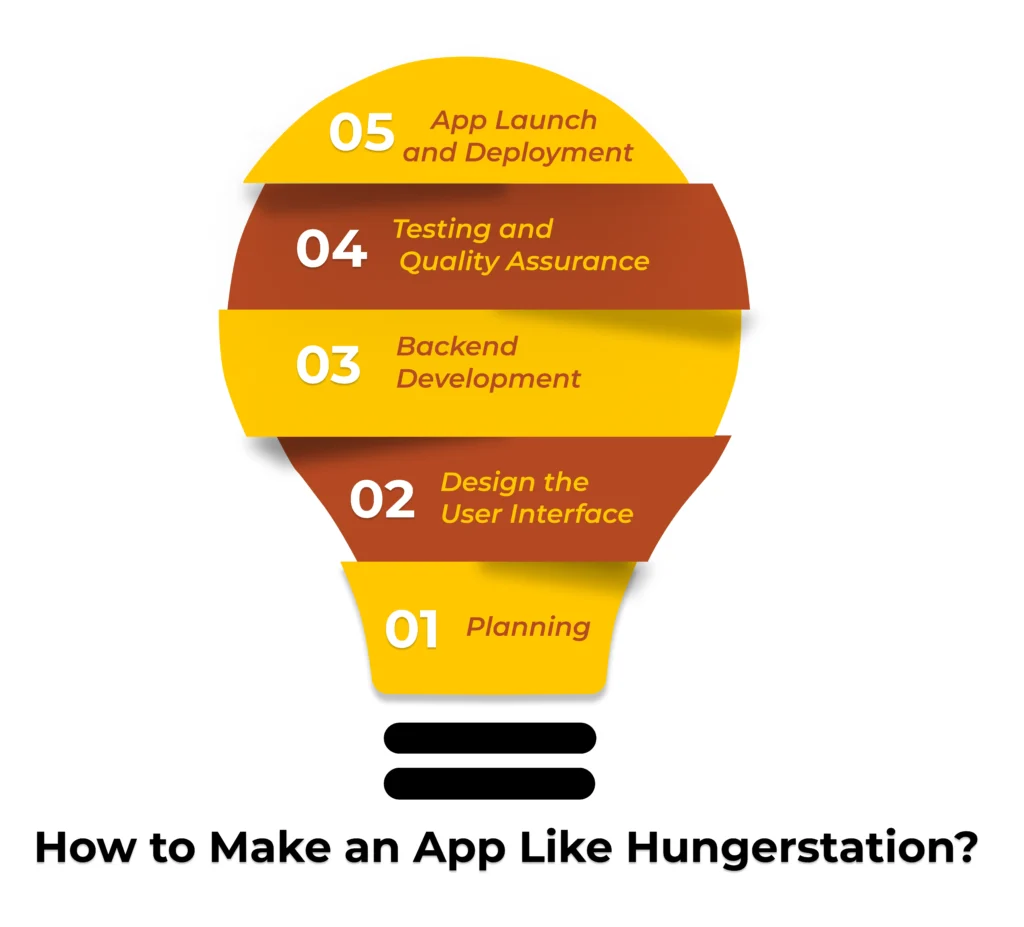
1. Planning
The first step for building a clone app like HungerStation is to brainstorm the idea, decide your target audience, select the business model, understand your competitors’ app weaknesses/strengths, and plan the app’s features.
Decide whether you’re launching food-only or multi-vertical (grocery, pharmacy, flowers) from day one. Do in-depth research and gather all the information to help you create a top-notch app.
2. Design the User Interface
In this step, create a user-friendly and attractive app interface. Add appealing icons, images, videos, and other visual elements that make your app innovative and attractive to users.
3. Backend Development
After creating the app interface, start working on the app’s backend features such as payment gateway integration, database management, and server-side scripting. You can also hire developers from food app development companies that can build an app for your business.
4. Testing and Quality Assurance
Test the application after developing it. Make sure it is free from any bugs or errors and meets your project requirements. You can send your app to your friends, family members, and others to get feedback and address any issues.
5. App Launch and Deployment
In this last step, launch and deploy the application on the Play Store and App Store. Develop a strong marketing plan to reach your target audience. Make sure to promote your app on every social media platform so more people know about it. Send promotional emails to reach a large number of customers.
How Much Does it Cost to Build a HungerStation Clone App?
The HungerStation clone app development cost is $130,000–$400,000. However, the cost to develop a clone app like HungerStation can vary and depend on several factors, such as the number of platforms, app complexity, number of features, tech stack, and more.
| Component | Estimated Cost |
| iOS App Development | $40,000–$100,000 |
| Android App Development | $40,000–$100,000 |
| Backend & API Development | $20,000–$60,000 |
| UI/UX Design | $10,000–$30,000 |
| Feature Integration (payments, tracking, etc.) | $15,000–$60,000 |
| Testing & QA | $5,000–$20,000 |
| Total | $130,000–$370,000 |
Below is the rough estimate of the HungerStation app development cost.
Platform Development
- Developing for iOS and Android platforms can range from $50,000 to $150,000 per platform. This includes the design, development, and testing of the mobile app.
Backend and API Development
- Building the server-side infrastructure, APIs, and database can cost between $30,000 to $80,000.
UI/UX Design
- Designing the user interface and experience can range from $15,000 to $50,000. This involves creating the visual elements, user flows, and overall app designs.
Integration and Features
- Integrating features like online ordering, payment gateways, delivery tracking, and others can cost an additional $20,000 to $80,000. The more complex the features, the higher the development cost.
Testing and Quality Assurance
- Testing and quality assurance can add $10,000 to $30,000 to the overall cost. This ensures the app functions smoothly and meets quality standards.
Deployment and Maintenance
- Deploying the app to app stores and ongoing maintenance can range from $5,000 to $15,000 per year. This includes updates, bug fixes, and app store submissions.
The total cost to develop an app like HungerStation can range from $130,000 to $400,000, depending on the specific features, complexity, and the development team’s expertise.
Challenges in Building the Clone App Like HungerStation
Below are some challenges that businesses face in developing an app like HungerStation.
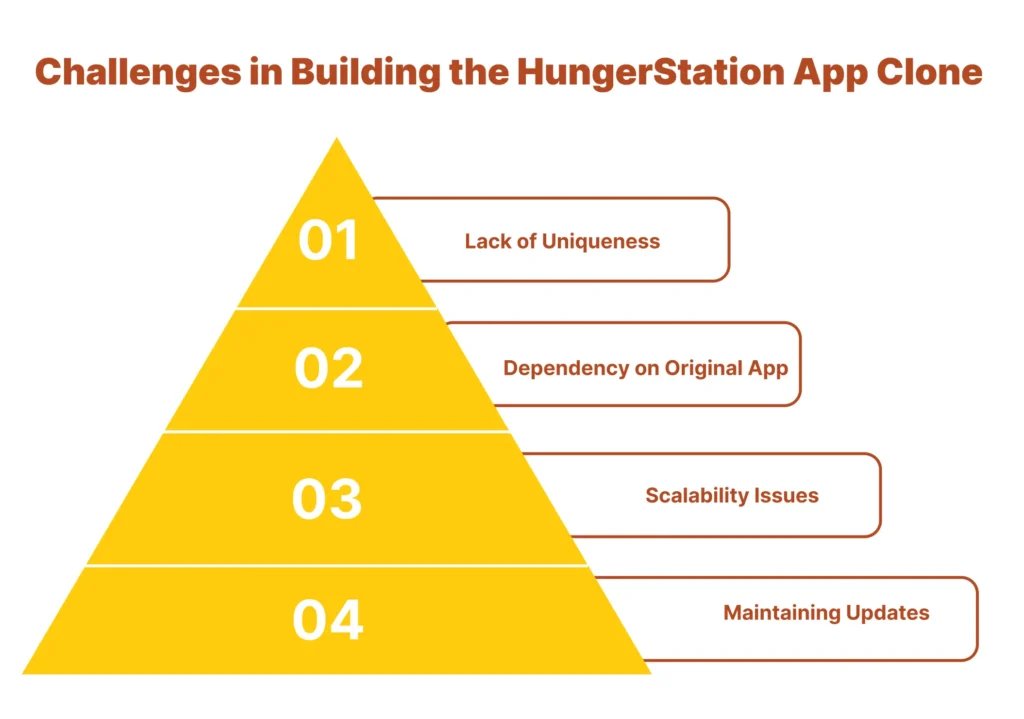
Challenge #1: Lack of Uniqueness
One of the main challenges in building an app like HungerStation is achieving a unique value proposition. Many clones tend to replicate features and functionalities without differentiating themselves in the market.
Solution: To address this issue, you should do these things:
- Conduct thorough market research to identify gaps in the existing offerings.
- Focus on innovative features and personalized user experiences.
- Incorporating user feedback can also enhance the app’s uniqueness and appeal.
Challenge #2: Dependency on Original App
Another significant challenge is the dependency on the original app’s framework and functionality. This reliance can lead to limitations in creativity and flexibility.
Solution: To overcome this, developers should aim to build a strong, independent framework that allows for customization and expansion. Using modern technologies and frameworks that meet current customer demands.
Challenge #3: Scalability Issues
Scalability is a critical concern when developing applications like HungerStation, especially as user numbers grow. Many clones struggle with performance and reliability under increased load.
Solution: To mitigate this risk, developers should adopt a scalable architecture from the outset. Using cloud services and microservices architecture can help ensure that the app can handle increasing traffic without sacrificing performance.
Challenge #4: Maintaining Updates
Keeping the app updated with the latest features and security patches is essential for user retention and satisfaction. However, many businesses face challenges in maintaining a regular update cycle.
Solution: To resolve this, establishing a dedicated team for app maintenance and updates is important. Implementing agile development practices can facilitate a more responsive approach to changes and improvements.
FAQs
Using the HungerStation app clone, you can make revenue by using these strategies:
Charge a commission from stores on every order placed on the platform.
Boost your revenue by encouraging existing users to refer friends.
You can adjust prices based on demand and peak hours.
Customize your commission rates based on specific factors like restaurant popularity or order volume.
The cost to clone an app can vary widely based on several factors, including:
Complexity: Simple apps may cost between $5,000 – $20,000, while more complex apps can range from $20,000 to $100,000 or more.
Features: Additional features like real-time chat, payment integration, and advanced functionality increase costs.
Design: Custom UI/UX design can add to the expense.
Development Team: Costs differ based on the location and expertise of the development team.
A ready-made or white-label HungerStation-style platform can potentially be deployed within a few weeks, depending on customization and integrations. A fully custom platform takes several months or longer, depending on its complexity and feature requirements.
Yes. A white-label HungerStation-style platform can be customized with your:
Brand identity
Interface
Delivery zones
Languages
Currencies
Payment methods
Business rules
Supported services
The available level of customization depends on the platform and development approach.
Yes. A multi-vertical delivery platform can be designed to support food, grocery, pharmacy, flower, and other delivery categories. Each category may require different catalog, inventory, ordering, and delivery workflows.
Building an app like HungerStation is generally possible as long as you do not copy HungerStation’s trademarks, branding, proprietary code, copyrighted content, or protected design elements. A clone should replicate the business model and general functionality, not duplicate the original platform.
Before launching, review local intellectual property, data protection, payment, and business regulations to ensure your platform complies with applicable laws.
Supercharge your deliveries with Enatega.
Register NowConclusion
The demand for food delivery solutions has been increasing. Several small to large enterprises invest in building food apps and get more revenue and profit.
However, sometimes building an app requires expert help. In that case, you get help from a food app development company like Enatega. We have a proven track record and expertise in building scalable and robust
food ordering platforms like Grubhub, Foodpanda, etc.
So, Register with us, discuss your requirements, and launch your food delivery business.
About the author

Hudaibia Khalid is a senior content writer with several years of experience in creating clear and easy-to-understand content. Over the years, she has worked closely with startups, restaurants, and entrepreneurs, helping them simplify complex digital and technical topics into actionable insights.
Her expertise lies in writing about on-demand platforms, food delivery solutions, and business growth strategies in a way that is accessible even to non-technical readers. With her experience in the industry, she focuses on guiding businesses step by step, from understanding ideas to turning them into fully working solutions.
SHARE






 IOS
IOS Android
 Web
Web