

Key Takeaways
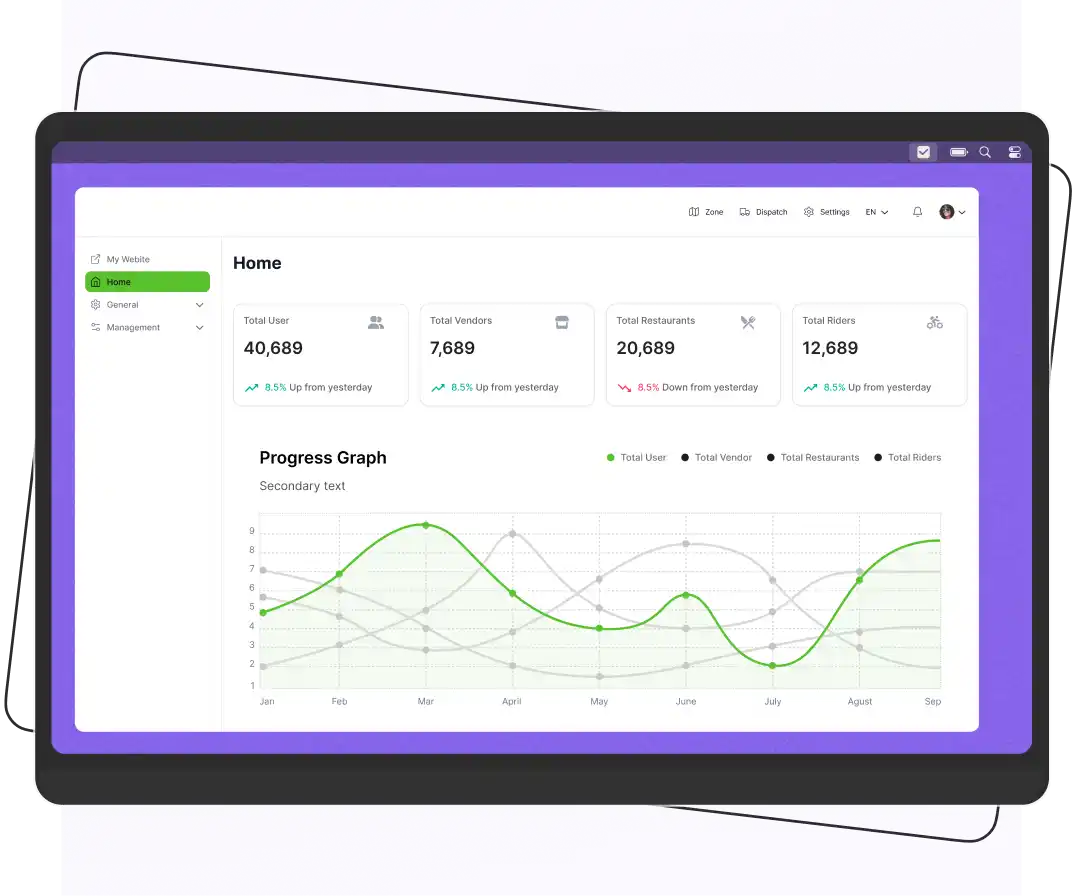
- According to Statista, online food ordering is growing, and the market is projected to reach $1.85 trillion by 2029.
- Online ordering systems manage operations, automate workflows, and improve customer satisfaction through convenience and speed.
- Latest technologies include:
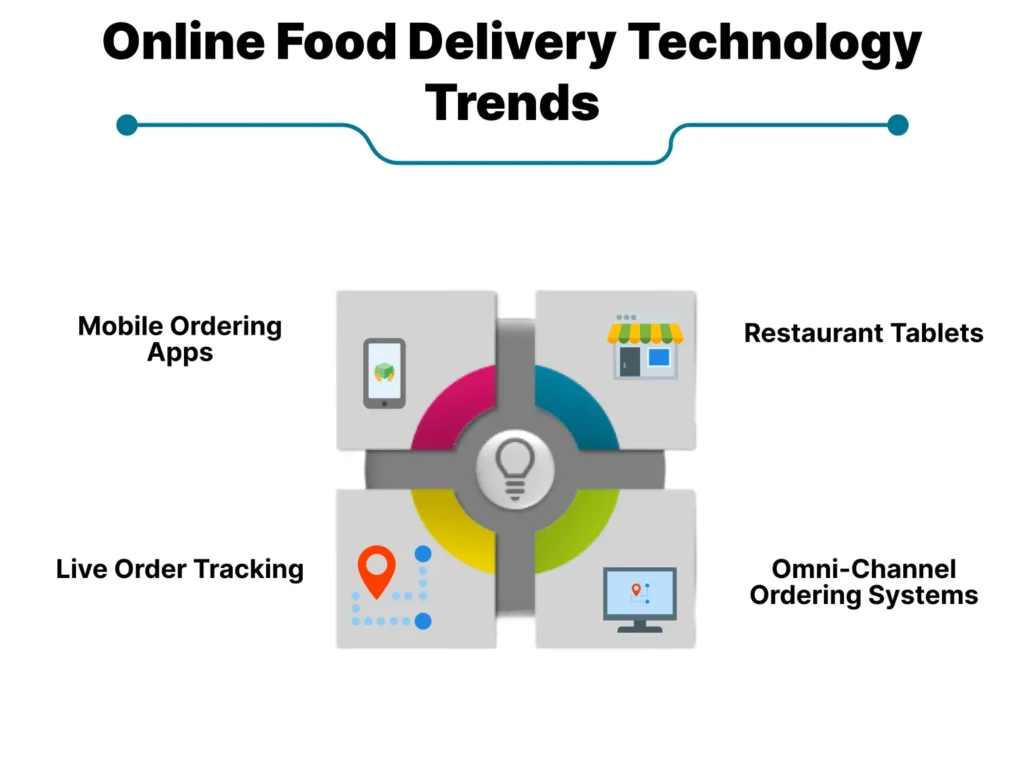
- Restaurant tablets for faster service and easy payments.
- Omni-channel ordering systems for a better customer experience across platforms.
- Live order tracking to reduce customer queries and enhance transparency.
- Mobile ordering apps that increase reach and reduce labor costs.
- Single-vendor vs Multi-vendor platforms: Choose based on your business size and customer reach goals.
- Key benefits of online ordering:
- Boosted sales and reduced operational errors.
- Improved customer retention through features like quick reordering.
- Lower marketing costs with data-driven strategies.
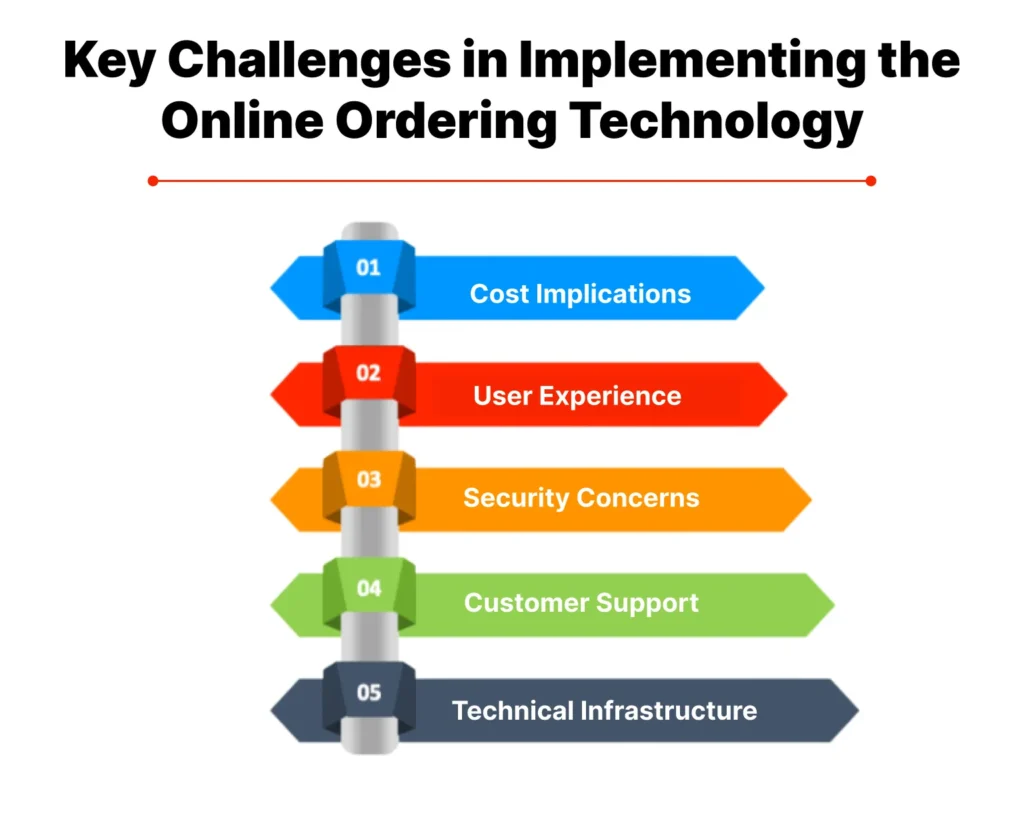
- Challenges include system integration, UX design, security, support, and initial cost. However, these can be overcome with the right solutions and partners.
What if your restaurant is losing orders, without even knowing it?
In 2026, customers expect instant online ordering, and if your system is slow, outdated, or missing key features, they’ll switch in seconds.
Using online ordering technology has become essential for food businesses to stay competitive.
From mobile apps to omnichannel platforms, these innovations improve operations, enhance customer experiences, and boost profits. Adopting the latest technology is no longer optional; it’s critical for growth.
So, in this blog, we’ll explore the most impactful online ordering tools and trends shaping the food industry today.
Supercharge your deliveries with Enatega.
Launch NowWhat is an Online Ordering System?
An online ordering system allows customers to place orders without visiting the physical store. The restaurant’s online ordering platforms allow customers to place orders and get the food items delivered to their specified location. Several digital ordering systems use the latest technologies to provide a top-notch experience to customers.
The primary purpose of an online ordering system is to:
- Automate the business process
- Connect with customers in a new way
- Provide the customers with convenient and timely deliveries of their orders
Online Ordering vs Traditional Ordering
Online ordering drives more sales, efficiency, and scalability, and traditional ordering limits growth and customer reach.
Let’s discuss other factors to help you make a better decision.
| Factor | Online Ordering | Traditional Ordering |
| Convenience | Order anytime, anywhere via app or website | Requires a physical visit or phone call |
| Speed | Faster ordering with automation and saved preferences | Slower due to manual order-taking |
| Accuracy | Reduced errors with digital input | Higher chances of human error |
| Reach | Expands beyond the local area | Limited to nearby customers |
| Operating Hours | Can run 24/7 | Restricted to business hours |
| Labor Costs | Lower due to automation | Higher due to staff dependency |
| Data and Insights | Tracks customer behavior and preferences | Minimal data collection |
| Order Volume Handling | Can handle high volumes efficiently | Limited by staff capacity |
| Marketing | Targeted promotions and push notifications | Traditional marketing methods |
Top Online Ordering Technology Trends (2026)
Online restaurant ordering technology has become the new norm by providing an efficient and convenient way for customers to place orders.
Look below and learn about the latest online food delivery technology trends.
Restaurant Tablets
The new restaurant technology is table payments. It improves the customer experience and streamlines the restaurant operations. Tablets are a new technology used in places that reduces the time servers spend writing menus.
Example: Toast, one of the most widely adopted restaurant management platforms in the USA. It has built its entire system around purpose-built restaurant tablets.
Toast’s Android-based POS tablets are designed specifically for the demands of a kitchen and dining floor.
Restaurants using Toast report faster table turns and a measurable reduction in order errors, since servers input orders directly at the table and tickets fire instantly to the kitchen display.
With over 100,000 restaurant locations on the platform, Toast is a clear example of how dedicated tablet hardware purpose-built for food service is reshaping front-of-house operations.
Pros
- Speed up the table turnover rate
- Easily serve more customers
- Payment processing systems are secure
- Customers can quickly pay the bill
Cons
- Maintenance and repairs
- The learning curve for staff
- Security concerns
- Dependence on power and the internet
- Reduced human interaction
Omni-Channel Ordering Systems
Omni-channel ordering systems allow customers to choose how to pay and get their food. With an omnichannel ordering system, restaurants can get customer data. The customer data is crucial for digital ordering platforms.
In addition, these systems help with the restaurant’s inventory management system and customer data integration. They can track customer order history and allow you to scale your business with the latest industry trends.
With an omnichannel ordering system, restaurants can provide several ways for customers to pay their bills.
Pros
- Smoothly operate the restaurant POS platform
- Easily collect customer data
- Maintain all orders to streamline operations
Cons
- High implementation costs
- Complex integration
- Cybersecurity risks
Live Order Tracking
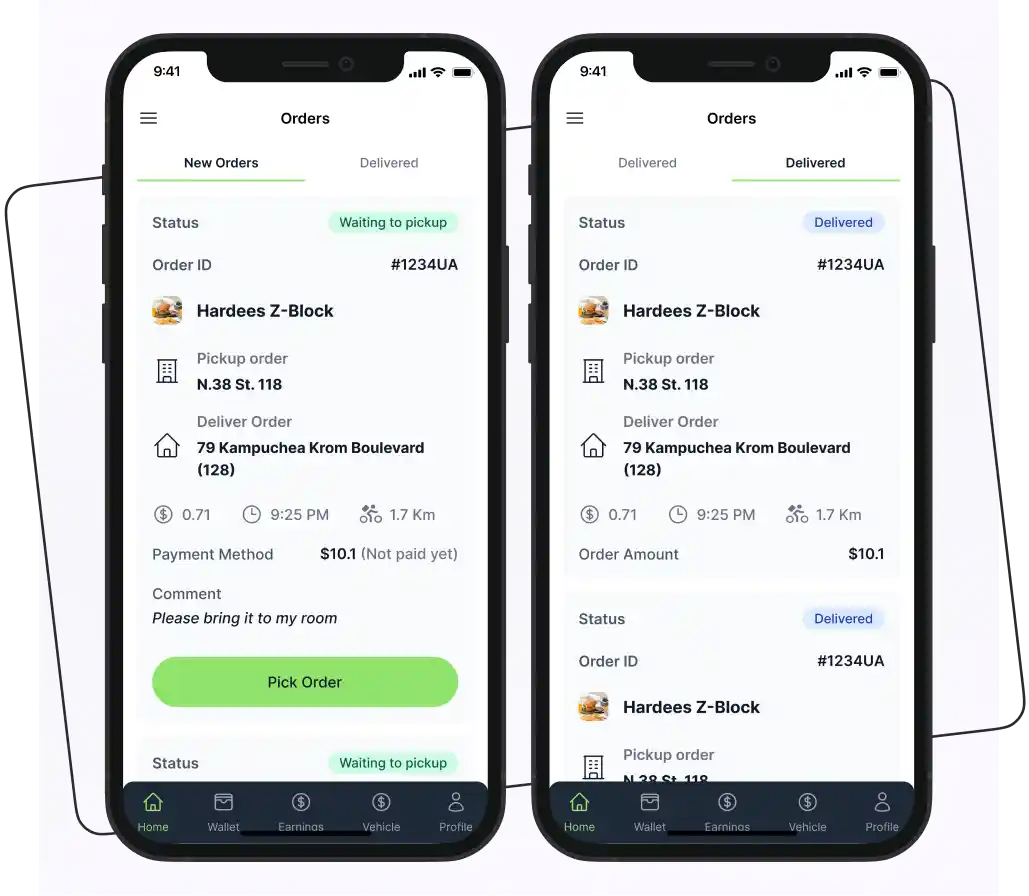
It is an innovative restaurant online ordering technology. Customers and restaurants can easily view their order status with live order tracking. Customers know such updates from food preparation to delivery.
Restaurant workers are busy. Many customer calls are eliminated when customers can check the order status.
Pros
- Keep customers updated.
- Provide rider details to customers so they can contact them.
- Live order tracking supports kitchen technology by giving restaurant staff a timeframe.
Cons
- Implementation costs
- Regular software updates and maintenance are required
- Expensive for small businesses
Mobile Ordering Apps
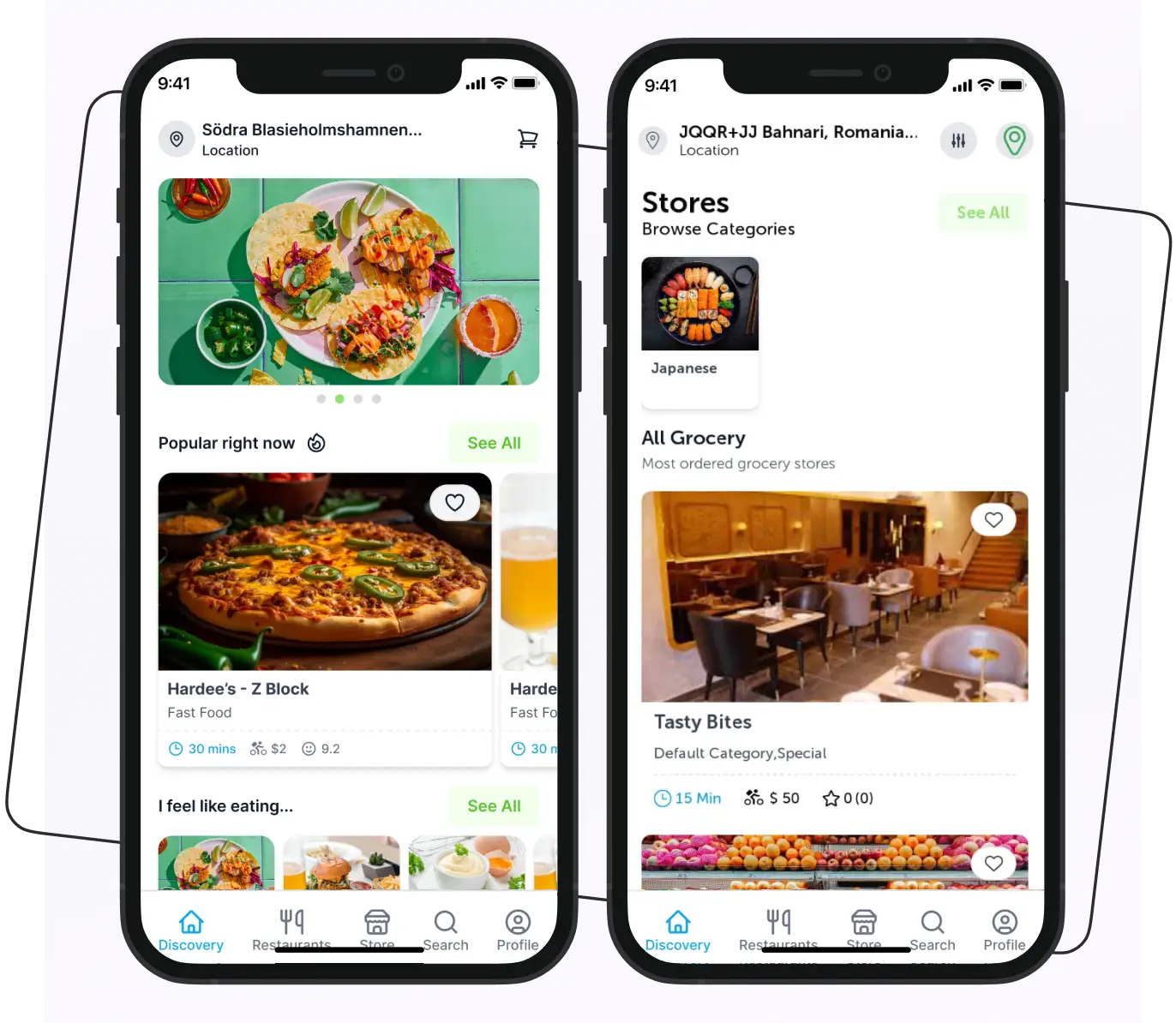
Mobile ordering apps are best for small eateries, ghost kitchens, and other food businesses. After the pandemic, food ordering apps have become an essential tool for restaurants. These apps provide convenience, and customers tend to place more orders.
Pros
- Serve more customers
- Minimize labor cost
- Restaurants get orders and deliver without any mistakes
Cons
- Dependence on third-party platforms
- Limited accessibility
- Limited offline functionality
Benefits of Online Ordering Technology
Below are the benefits of online ordering technology.
| For Businesses | For Customers |
| Increased Sales: Online order technology boosts sales for businesses by allowing them to operate 24/7. This extended availability not only caters to a broader audience but also captures customers attention of those who may not have time to visit a physical location. Additionally, it allows businesses to reach customers beyond their immediate geographical area, further expanding their market potential. | Convenience: One of the most significant advantages of online ordering technology for consumers is convenience. Customers can place orders from the comfort of their homes or on the go, eliminating the need to travel to a physical store. This is particularly beneficial for busy people who may not have time to visit a shop during regular business hours. |
| Improved Efficiency: The automation that comes with online ordering technology streamlines various business processes. By digitizing order placement, processing, and payment, businesses can minimize human errors that commonly occur in manual order-taking. This increased efficiency not only speeds up the order fulfillment process but also enhances overall operational productivity. | Quick Reordering: Many online ordering services offer features that facilitate quick reordering of favorite items. Customers can save their preferences and previous orders, allowing them to place repeat orders with just a few clicks. This convenience is particularly appealing to busy consumers who may not have time to search for items each time they shop. |
| Cost-Effective Marketing: Online ordering technology reduces the reliance on traditional advertising methods, which can be costly and less effective. Businesses can use digital marketing strategies to reach their target audience more efficiently. These strategies often have lower costs and higher conversion rates compared to traditional methods. | Access to Reviews and Information: This online ordering trend provides consumers with the ability to access product reviews and detailed information before making a purchase. This transparency allows customers to evaluate the quality and suitability of a product based on the experiences of others. Reading reviews helps consumers feel more confident in their purchasing decisions and can lead to greater satisfaction with their choices. |
Food Delivery Service Technology
Food delivery service technology has changed over the years and helps white-label food delivery app development companies to stay competitive.
The food app development companies provide two types of products:
Single Vendor Food Delivery Management Solution
The single-vendor solution can help elevate your restaurant business. It is an ideal choice for small to large eateries. With a single-vendor food delivery platform, restaurants can build their brand image and attract more customers.
In the competitive food delivery market, captivating imagery is essential. An image blender allows you to create professional-grade menu photos by seamlessly combining multiple shots of your dishes.
Multi Vendor Food Delivery Management Solution
The multi-vendor food delivery management software provides restaurants with a platform where several other restaurants are available. Customers get a wide range of restaurants under one roof. It enables you to handle orders from various customers and locations seamlessly and with ease.
Challenges and Solutions in Implementing the Online Ordering Technology
Implementing online ordering technology can enhance a business’s efficiency and customer experience, but it also comes with several challenges.
Here are some key challenges to consider.
1. Technical Infrastructure
Challenge: Integrating the online ordering system with existing inventory, sales, and customer management systems can be complex.
Solution
- Evaluate current systems to identify integration points and potential issues.
- Opt for online ordering platforms that offer APIs or plugins specifically designed for seamless integration.
- Ensure reliable technology infrastructure with backup systems and regular performance testing to minimize downtime, especially during peak times.
2. User Experience
Challenge: Creating a user-friendly interface that guides customers through the ordering process is critical.
Solution
- Use user testing and feedback to design an intuitive interface that simplifies navigation.
- Implement a responsive design that adapts to various devices, ensuring an optimal experience on both desktop and mobile.
- Minimize the number of steps required to complete an order and offer guest checkout options to reduce cart abandonment.
3. Security Concerns
Challenge: Protecting sensitive customer information from breaches is crucial.
Solution
- Use encryption for data transmission and secure payment gateways to protect payment information.
- Employ advanced technologies such as AI to monitor transactions for suspicious activity and flag potentially fraudulent orders.
4. Customer Support
Challenge: Providing effective customer support for online orders requires additional resources.
Solution
- Offer training to employees on the new system, focusing on common customer issues and how to resolve them.
- Implement live chat, email, and phone support options to provide timely assistance.
- Develop FAQs, instructional videos, and a knowledge base to empower customers to resolve issues independently.
5. Cost Implications
Challenge: The upfront costs of setting up online ordering technology can be significant, along with ongoing maintenance expenses.
Solution
- Create a detailed budget that accounts for both initial investments and ongoing costs, including maintenance and support.
- Use cloud-based platforms that reduce upfront hardware costs and allow for scalable pricing based on usage.
Hidden Costs Most Restaurants Ignore
Many restaurants invest in online ordering systems, expecting higher profits, but overlook hidden costs that quietly eat into their margins.
Understanding these up front can save you thousands in the long run.
Third-Party Commission Fees
Aggregator platforms often charge 15–30% per order, which can cut into your margins. Over time, these fees may exceed the cost of running your own system.
Payment Gateway Charges
Every transaction includes processing fees (around 2–3%), which add up with high order volume. These small cuts can quietly reduce overall profitability.
Maintenance and Updates
Online systems require regular updates, bug fixes, and security patches. Ignoring this can lead to poor performance and unexpected technical expenses.
Marketing and Customer Acquisition
Paid ads, discounts, and promotions are essential but costly. Without proper tracking, restaurants often overspend without seeing a strong return.
Delivery and Logistics Costs
Managing your own delivery involves rider salaries, fuel, and operations. Even third-party delivery services may include hidden surcharges.
Integration Costs
Connecting your system with POS, inventory, and CRM tools may require extra development. Poor integration can also lead to inefficiencies and lost orders.
Customer Support Overhead
Handling complaints, refunds, and queries requires time and resources. Without automation, support costs can increase as order volume grows.
FAQs
Below is a list of the best online ordering systems for restaurants.
Square for Restaurants
Toast
Lightspeed Restaurant
Popmenu
AI ordering refers to the use of artificial intelligence technologies to automate and optimize the process of placing orders in retail or food service.
AI ordering increases restaurant sales by personalizing recommendations and upselling items based on customer behavior. It also speeds up ordering and reduces errors, leading to higher conversion rates and repeat purchases.
The best model for an online food ordering system depends on whether you prioritize high-volume customer discovery (third-party) or brand control and lower fees (direct). For most restaurants, a hybrid approach using direct ordering platforms like ChowNow, Toast, or Olo is best for maximizing margins, while keeping third-party apps for visibility.
Uber Eats, Grubhub, and DoorDash are the best platforms for ordering food from various restaurants.
Online shopping uses a variety of technologies, including:
E-commerce platforms for product listings and transactions
Payment gateways for secure financial transactions
Web analytics tools for tracking user behavior
Restaurants use various softwares to take orders, but POS (point of Sale) is the most common. It handles everything from order taking and payment processing to table management and sales tracking.
Supercharge your deliveries with Enatega.
Launch NowConclusion
Online ordering technology is no longer a differentiator; it's the baseline. Customers in 2026 expect real-time tracking, easy mobile ordering, and payment as a minimum, not a bonus.
The restaurants pulling ahead aren't necessarily using the most advanced tools. They're using the right ones, consistently. A well-configured tablet POS that staff actually trust beats a feature-heavy system nobody uses correctly. A direct ordering channel with modest traffic beats a third-party app that eats 25% of every order.
The best starting point is an honest audit of where your current setup loses customers. Slow checkout, no order visibility, a menu that doesn't render well on mobile. Fix the friction first. The technology to solve each of those problems already exists and is accessible at almost every budget level.
Whatever tools you choose, the goal stays the same: make it easier for a customer to order from you than from anyone else.
About the author

Hudaibia Khalid is a senior content writer with several years of experience in creating clear and easy-to-understand content. Over the years, she has worked closely with startups, restaurants, and entrepreneurs, helping them simplify complex digital and technical topics into actionable insights.
Her expertise lies in writing about on-demand platforms, food delivery solutions, and business growth strategies in a way that is accessible even to non-technical readers. With her experience in the industry, she focuses on guiding businesses step by step, from understanding ideas to turning them into fully working solutions.
SHARE






 IOS
IOS Android
 Web
Web